

Jeep Comanche Throttle Position Sensor Guide (1986-1992)
Everything you need to know about the throttle position sensor on your 1986-1992 Jeep Comanche.
- A failing TPS can cause a wide range of issues, from a high idle and stalling to poor acceleration and erratic automatic transmission shifting.
- For 1987-1990 Renix models, the sensor is adjustable, and proper adjustment is critical for performance.
- Owners of manual transmission Comanches can use the less expensive automatic transmission TPS; the extra connector is simply unused.
- While budget brands are available, forum discussions suggest that higher-quality aftermarket or OEM sensors are more reliable in the long run.
Symptoms of a Failing Throttle Position Sensor
A bad TPS can cause a wide range of engine and transmission problems in your Comanche. Because the sensor's signal is crucial for so many functions, a faulty one can make your truck run poorly. You might notice one or more of the following issues:
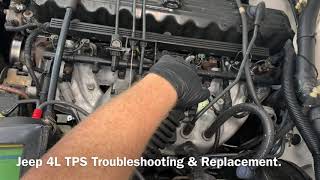
- Check Engine Light: The engine computer often detects a faulty TPS and will turn on the check engine light. Common trouble codes include P0120, P0121, P0123, and P2135. 🎬 See how to diagnose and test TPS codes via OBDII
- Erratic Idle: Your engine might idle too high, too low, or surge up and down. Some owners report the idle revving up to 2,000 RPM when in park.
- Stalling: The engine may stall unexpectedly, especially when you come to a stop or when the truck is idling.
- Poor Acceleration and Hesitation: When you press the gas, the truck might hesitate or feel like it has no power. This happens because the computer isn't getting the correct signal about how much you're opening the throttle.
- Automatic Transmission Problems: If you have an automatic, a bad TPS can cause late, rough, or erratic shifting. You might find the transmission holds a gear for too long, as it doesn't know you've moved the throttle.
Choosing the Right Aftermarket TPS
When it comes to sensors for your Comanche, quality matters. While many aftermarket brands are available, owner experiences show that not all are created equal. Some owners insist on using only Mopar (OEM) parts, citing that cheaper aftermarket sensors can be unreliable or fail quickly. However, others have had success with higher-quality aftermarket brands.
| Brand Tier | Brands | General Quality & Price |
|---|---|---|
| Premium Aftermarket | NGK, Delphi, Standard Ignition | These brands often manufacture parts for OEM applications and are generally considered reliable replacements. They aim to meet or exceed original specifications and are a solid choice for durability. Price is typically higher than budget options but less than OEM. |
| Standard Aftermarket | Walker Products, True Tech, Motorad | This tier offers a balance of price and quality. These parts are designed to be functional replacements for the original sensor. They can be a good value, but quality can sometimes be inconsistent compared to premium brands. |
| Budget-Friendly | Replacement, Global Parts, Omix-Ada | These are the most affordable options. While they can solve the problem, some Jeep owners report these parts may have a shorter lifespan or inconsistent performance out of the box. Omix-Ada is a well-known brand in the Jeep world, offering parts that meet a specific price point. |
A Note on Manual vs. Automatic Transmissions
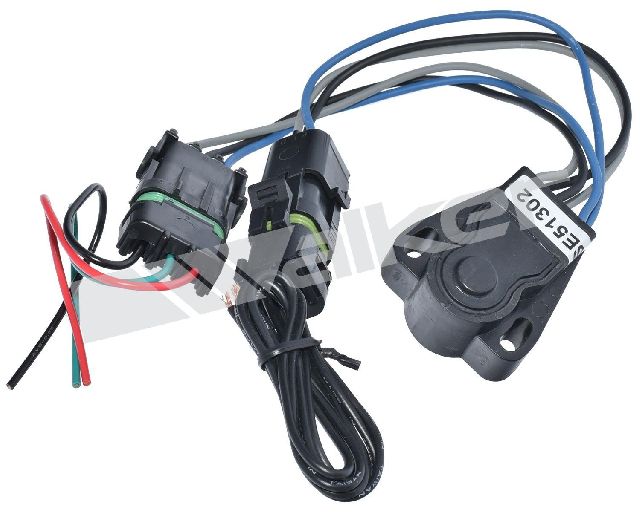
For 1987-1990 Renix models, the TPS for manual transmissions can be very expensive. Many owners substitute the much cheaper automatic transmission TPS. It will work perfectly; the extra square connector for the transmission computer is simply not used.
Known Issues, Recalls, and TSBs
Searches of the National Highway Traffic Safety Administration (NHTSA) database and for Technical Service Bulletins (TSBs) did not find any specific recalls or widespread issues related to the throttle position sensor for the 1986-1992 Jeep Comanche. Most issues are related to normal wear and tear on this electronic component over time.
Frequently Asked Questions (FAQ)
Is the throttle position sensor on a Jeep Comanche adjustable?
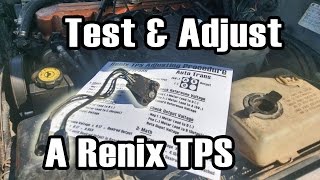
Yes, on 1987-1990 models with the Renix engine management system, the TPS is adjustable. It has slotted mounting holes that allow you to rotate it slightly to achieve the correct voltage reading at idle. This adjustment is critical for proper engine and transmission function. 🎬 Watch: How to test and adjust a Renix TPS Models from 1991-1992 are generally not adjustable.
How do I test my Comanche's TPS?
You can test the TPS with a multimeter. With the key on and engine off, you back-probe the sensor's wires to read the voltage. The voltage should be steady at idle and increase smoothly as you open the throttle by hand. Any sudden jumps, drops, or dead spots in the voltage reading indicate a faulty sensor that needs to be replaced.
Where is the TPS located on a Jeep Comanche?
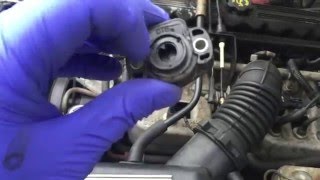
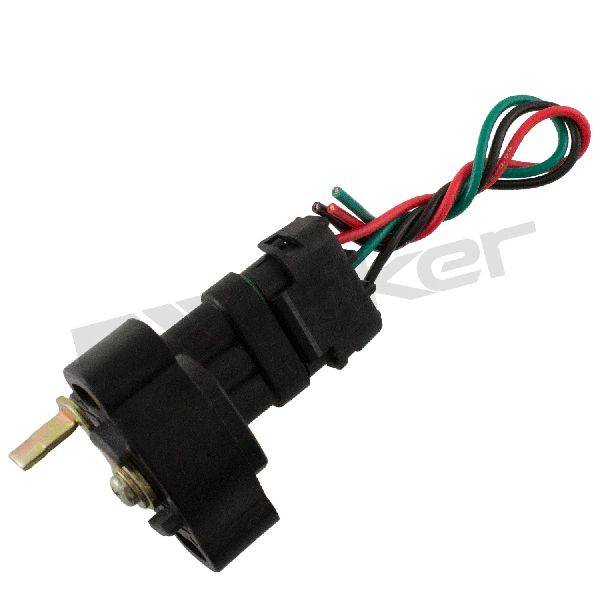
The throttle position sensor is located on the side of the throttle body, which is found on the engine's intake manifold where the air intake hose connects. It is a small, black plastic sensor held on by two T20 Torx screws.
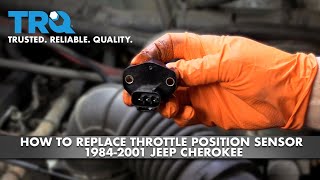
🎬 Follow this walkthrough to replace your throttle position sensorWhy is the manual transmission TPS so much more expensive?
The reason for the price difference is due to original production numbers and aftermarket availability. However, as noted by many owners, you can use the less expensive automatic transmission version on a manual-equipped truck without any issues.
Helpful Videos
Technical Specifications
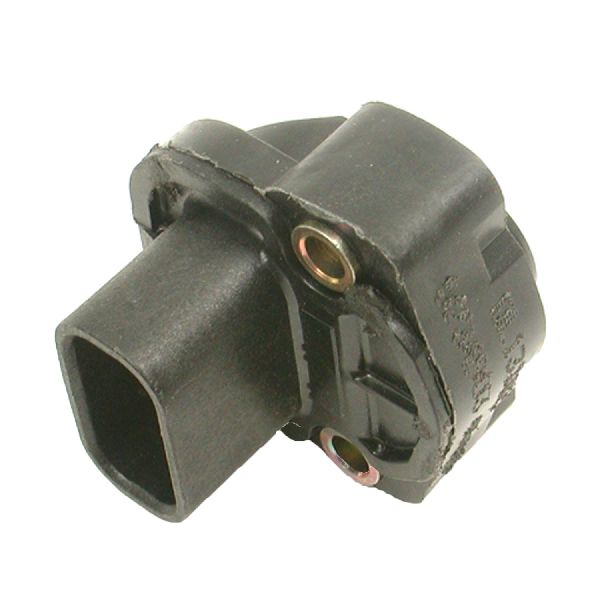
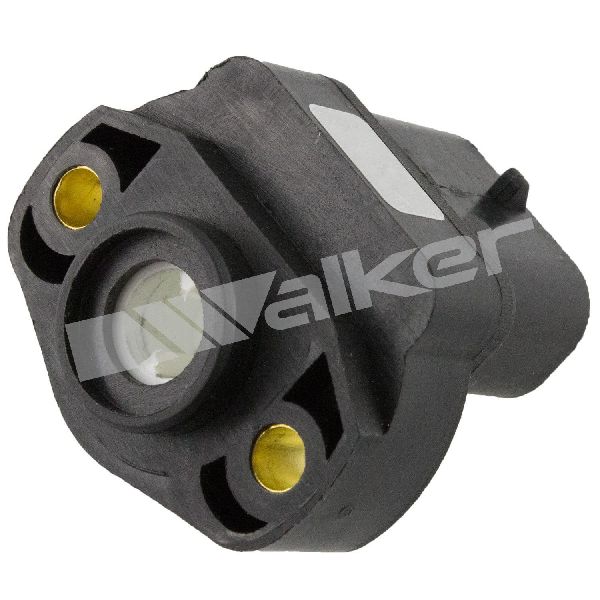
OEM Part Numbers: 33004650 33003390 53003425 33004648
Mounts to the throttle body with two T20 Torx screws. Renix-era (pre-1991) sensors are adjustable. Automatic transmission versions have two connectors, while manual versions have one.
We Have This Part in Stock


The information in this article is provided for general reference and educational purposes only. Vehicle specifications, procedures, and part compatibility can vary by production date, trim level, and region. Always consult your vehicle's factory service manual and verify part numbers before purchasing or performing repairs. Safety-critical components such as airbags, seat belts, and braking systems should be installed by a qualified professional.
- Jeep Comanche: