

Choosing the Right Spark Plugs for Your 1986-1992 Range Rover
Keep your classic Rover's V8 engine running smoothly with the correct set of new spark plugs.
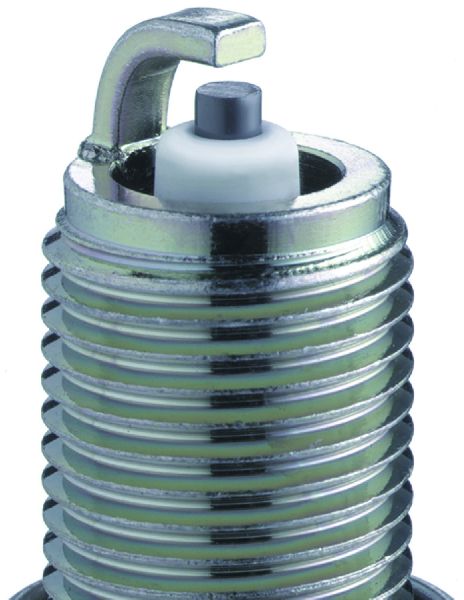
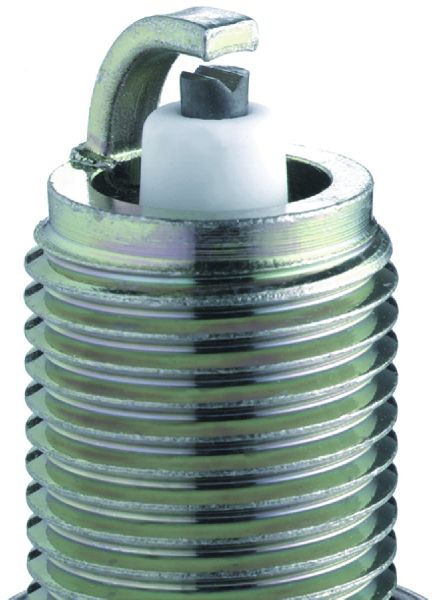
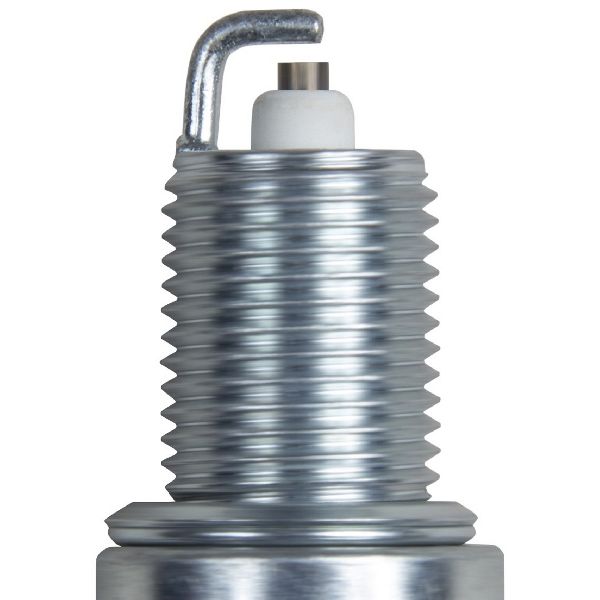
- For the 1986-1992 Range Rover V8, NGK (BPR6ES) and Champion (RN11YC) are the most recommended spark plug brands.
- Always check and set the spark plug gap before installation, aiming for 0.033-0.038 inches.
- Replacing spark plug wires at the same time as the plugs is highly recommended to ensure a reliable ignition system.
- Change plugs on a cold engine to prevent damage to the aluminum cylinder heads.
Signs of Failing Spark Plugs
Worn or faulty spark plugs can cause noticeable problems in your Range Rover. If you experience a rough idle, difficulty starting the engine, or a general feeling that the vehicle is 'off,' your spark plugs could be the culprit. Other symptoms include poor acceleration, reduced fuel economy, and engine misfires, which can feel like a hesitation or stumble during acceleration. Inspecting the old plugs when you remove them can tell you a lot; a healthy plug will have a light tan coating on the porcelain insulator.
Choosing the Right Aftermarket Spark Plugs
For the 1986-1992 Range Rover, selecting the right spark plug is straightforward, but there are clear preferences among owners. While modern platinum and iridium plugs are available, many classic Rover enthusiasts stick with traditional copper core plugs for their reliability and performance in these specific V8 engines.
Brand Quality Tiers
| Tier | Brands | Description |
|---|---|---|
| OEM Equivalent / Preferred | Champion, NGK | Champion was the original equipment manufacturer for many of these vehicles, with the RN11YC and similar models being common. However, many owners and mechanics now prefer NGK plugs, like the BPR6ES, citing better quality and more consistent performance than modern Champion plugs. |
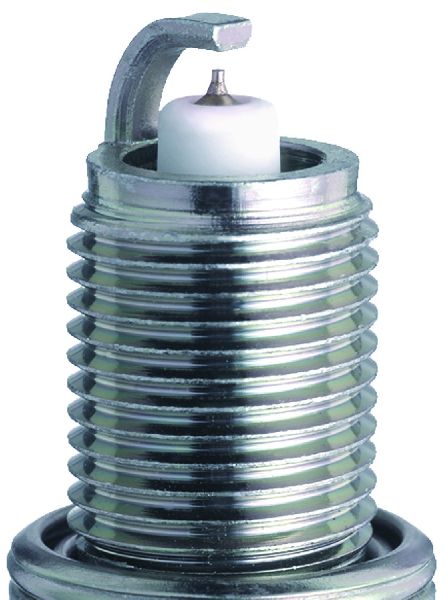
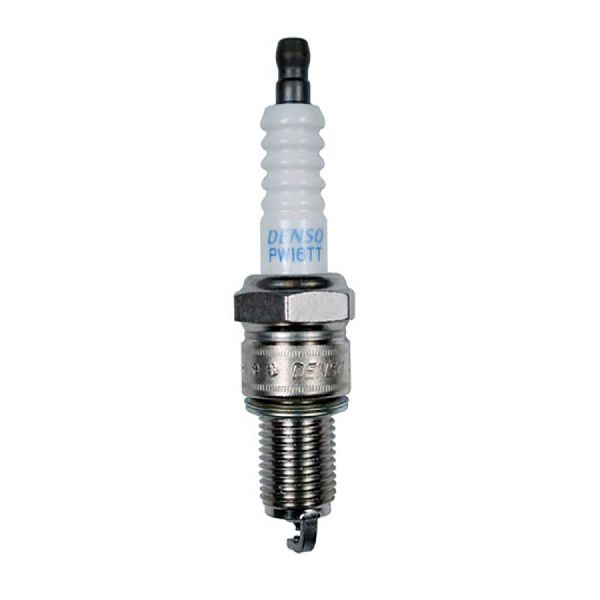
| Quality Aftermarket | Denso | Denso is a well-respected brand that offers high-quality plugs, including iridium options, that are a suitable alternative to NGK. |
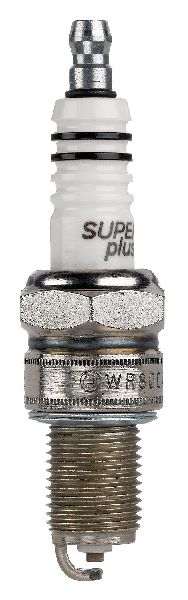
| Standard Aftermarket | Autolite, Bosch | While widely available, some owners report mixed results. Some have experienced issues with Bosch Super 4 plugs in the Rover V8, with reports of them breaking down and causing engine problems. It is often recommended to stick with the preferred NGK or original Champion plugs. |
Known Issues, Recalls, and TSBs
There are no specific recalls or Technical Service Bulletins (TSBs) from the National Highway Traffic Safety Administration (NHTSA) related to spark plugs for the 1986-1992 Land Rover Range Rover. The primary issues reported by owners are performance-related due to incorrect plug choice, improper gapping, or using plugs beyond their service life. Some forum users have warned against using Bosch Super 4 plugs, claiming they can fail and potentially cause engine damage.
Frequently Asked Questions (FAQ)
What is the correct spark plug gap for my Range Rover?
For a 1986-1992 Range Rover with a V8 engine, the spark plug gap should typically be set between 0.033 and 0.038 inches (0.8mm to 0.9mm). Always verify the gap on new plugs before installation, as it can make a difference in fuel economy and cold starting.
How often should I change the spark plugs?
For standard copper core plugs, which are common for this vehicle, a replacement interval of every 30,000 miles is recommended to maintain peak performance. If you opt for more modern iridium plugs, the interval can be longer, around 40,000 to 50,000 miles.
Should I use copper, platinum, or iridium spark plugs?
Many owners of classic Range Rovers prefer traditional copper core plugs, such as the NGK BPR6ES or Champion RN11YC. While platinum and iridium plugs last longer, some enthusiasts argue that the simple, reliable spark of a copper plug is best suited for the design of the original Rover V8 engine.
Do I need special tools to change the spark plugs?
No highly specialized tools are required. You will need a ratchet, a long extension, and a 13/16" spark plug socket (one with a rubber insert is helpful). On some models, you may need to remove parts of the air intake to get better access to the plugs on the driver's side. It's also recommended to change plugs on a cold engine to avoid damaging the aluminum cylinder heads.
Should I replace the spark plug wires at the same time?
It is highly recommended. Old spark plug wires can cause misfires even with new plugs. A weak connection can cause arcing, which you might see as a white, chalky buildup on the end of the spark plug and inside the wire boot. Many owners suggest upgrading to Magnecor wires for better performance and durability.
Technical Specifications
OEM Part Numbers: ERR3799 ERR743 RTC3570
Engine: 3.5L & 3.9L V8 Recommended Plug Types: NGK BPR6ES, Champion RN11YC Spark Plug Gap: 0.033" - 0.038" (0.8mm - 0.9mm) Socket Size: 13/16 inch
We Have This Part in Stock

The information in this article is provided for general reference and educational purposes only. Vehicle specifications, procedures, and part compatibility can vary by production date, trim level, and region. Always consult your vehicle's factory service manual and verify part numbers before purchasing or performing repairs. Safety-critical components such as airbags, seat belts, and braking systems should be installed by a qualified professional.
- Land Rover Range Rover: