

Choosing the Right Spark Plugs for Your 1986-1992 Mazda 626
Keep your classic 626 running smoothly with the correct new aftermarket spark plugs.
- For best results, use standard copper/nickel spark plugs from NGK or Denso.
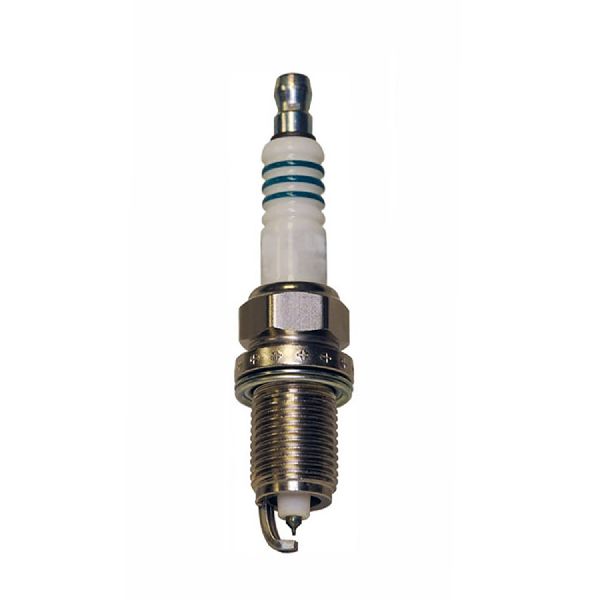
- Avoid expensive iridium or platinum plugs, as they offer no real benefit for this engine and are not cost-effective.
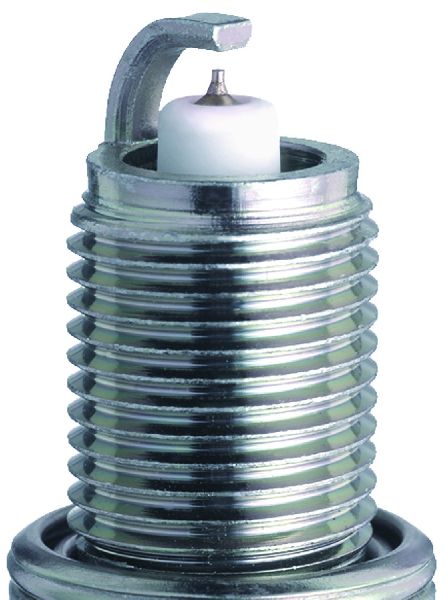
- Always check and adjust the spark plug gap to 0.044 inches (1.1mm) before installation.
- Replacing spark plugs is an easy, low-cost DIY maintenance task that can be done in under an hour.
Signs of Failing Spark Plugs
When your spark plugs are wearing out, your 626 will give you some clear signals. Because these are simple wear items, you'll likely notice a gradual decline in performance rather than a sudden failure.
- Rough Idle: The engine may shake or vibrate more than usual when you're stopped.
- Poor Acceleration: The car may feel sluggish or slow to respond when you press the gas pedal.
- Engine Misfires: You might feel a hesitation or stumble from the engine, especially under load. A misfire can trigger the Check Engine Light.
- Worse Fuel Economy: Failing plugs can't burn the fuel mixture efficiently, meaning you'll be stopping for gas more often.
- Trouble Starting: A weak spark can make it harder for the engine to turn over and start.
Choosing the Right Aftermarket Spark Plug
For a classic vehicle like the 1986-1992 Mazda 626, sticking to the basics is often the best approach. The original ignition system was designed for standard copper or nickel spark plugs. While more expensive iridium and platinum plugs are available, they often don't provide a significant benefit on this engine and aren't worth the extra cost.
Pro Tip: Stick with Copper/Nickel
The consensus among owners of older Japanese vehicles is to use the OEM-style plugs. For the 1986-1992 626, this means standard copper or nickel plugs from NGK or Denso. They provide excellent performance at a great price. The OEM Mazda part number 1690-18-110 cross-references to NGK part number BPR6ES.
Brand Tiers for Your Mazda 626
Here’s a breakdown of the available brands to help you choose:
Tier 1: OEM-Equivalent (Highly Recommended)
- NGK: Widely considered the original equipment manufacturer for many Japanese cars of this era. NGK plugs are the go-to choice for reliability and correct performance. The V-Power or standard copper plugs are excellent choices.
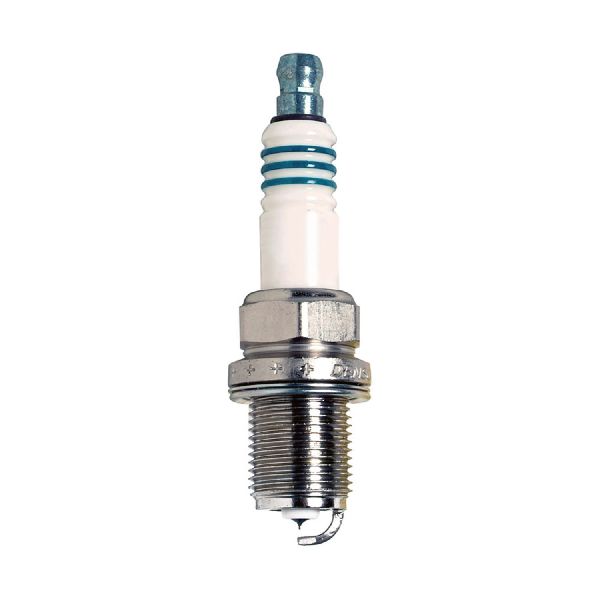
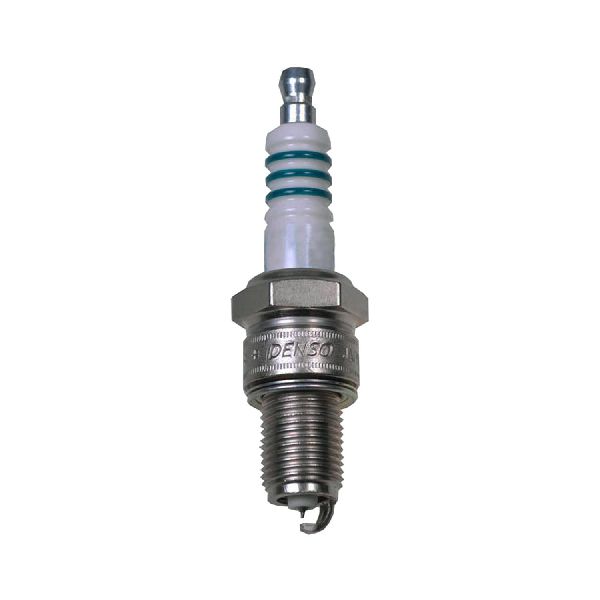
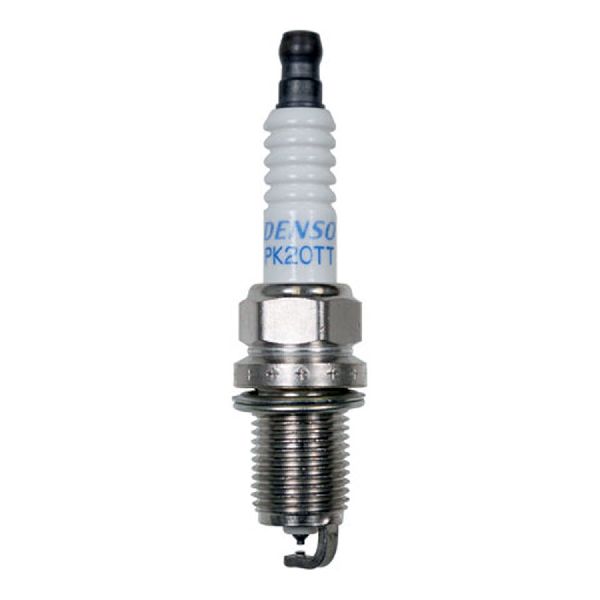
- Denso: Another top-tier Japanese brand that was likely an OEM supplier. Denso's standard U-Groove nickel plugs are a fantastic, reliable option for the 626.
Tier 2: Reliable Aftermarket Brands
- Autolite: A solid, budget-friendly choice. Their standard copper plugs will perform well.
- Champion: Another well-known brand offering affordable copper plugs that are suitable for the 626.
Tier 3: Use with Caution
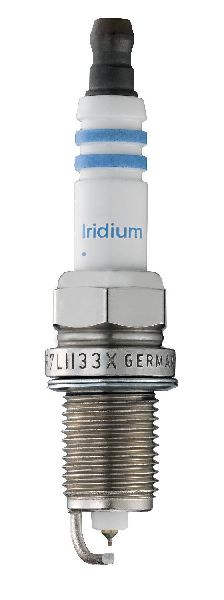
- Bosch: While a major brand, some owners of older Japanese cars report compatibility issues or shorter life with Bosch platinum plugs. If choosing Bosch, stick to their basic nickel or copper plugs.
- MSD: This is a performance-oriented brand. Their plugs are generally not necessary for a stock 626 engine and may be an unnecessary expense.
Common Mistake: The "Upgrade" to Iridium
While modern cars benefit from long-life iridium plugs, the ignition system in the 1986-1992 626 was not designed for them. Sticking with the recommended NGK or Denso copper/nickel plugs will provide the best performance and avoid potential ignition issues.
Cost of New Aftermarket Spark Plugs
Spark plugs for the 1986-1992 Mazda 626 are very affordable. Expect to pay per plug, and you will need four plugs for the 4-cylinder engine.
| Plug Type | Price Range (per plug) |
|---|---|
| New Aftermarket (NGK, Denso, Autolite, Champion) | $3.50 - $8.00 |
| New Aftermarket (Iridium/Platinum) | $9.00 - $22.18 |
Frequently Asked Questions (FAQ)
How often should I change the spark plugs on my 1986-1992 Mazda 626?
For standard copper/nickel spark plugs, a good interval is every 30,000 miles or every 2-3 years. This ensures your engine always has a strong spark and runs efficiently.
Do I need to gap the new spark plugs?
Yes, it is always a good idea to check the gap before installation. The recommended gap for the 2.2L engine is typically 0.044 inches (1.1mm), but you should always verify with your owner's manual or a service manual. Use a spark plug gap tool to measure and adjust if needed.
Is replacing the spark plugs a DIY job?
Absolutely. Replacing the spark plugs on this vehicle is a very simple and straightforward job that requires only basic tools like a ratchet, an extension, and a spark plug socket. It's a great task for a beginner mechanic.
Should I use anti-seize on the new spark plug threads?
This is a debated topic. Major manufacturers like NGK now recommend against it because their plugs have a special plating that prevents seizing. If you do use anti-seize, be sure to use only a very small amount on the threads (not the electrode) and reduce the tightening torque by about 20% to avoid over-tightening.
Are there any recalls for spark plugs on the 1986-1992 Mazda 626?
No, there are no specific recalls or technical service bulletins (TSBs) from Mazda or the NHTSA related to the spark plugs themselves for this vehicle generation. There was a recall for the ignition switch on some model years, but this is a separate component.
Technical Specifications
OEM Part Numbers: 1690-18-110
Cross Reference: NGK BPR6ES, Denso W20EXR-U. Recommended Gap: 0.044" (1.1mm). Engine: 2.2L F2 4-Cylinder.
We Have This Part in Stock

The information in this article is provided for general reference and educational purposes only. Vehicle specifications, procedures, and part compatibility can vary by production date, trim level, and region. Always consult your vehicle's factory service manual and verify part numbers before purchasing or performing repairs. Safety-critical components such as airbags, seat belts, and braking systems should be installed by a qualified professional.
- Mazda 626: