

A Guide to Spark Plugs for the 1986-1992 Toyota Supra (A70)
Keep your 7M-GE or 7M-GTE engine firing on all cylinders with the correct set of plugs.
- Crucially, use a colder heat range spark plug for the 7M-GTE (turbo) engine to prevent engine damage.
- NGK and Denso are the most trusted and recommended brands for both the 7M-GE and 7M-GTE engines.
- Always check and adjust the spark plug gap before installation for optimal performance.
- Replacement is a simple DIY task that can be completed in under an hour with basic tools.
Signs of Failing Spark Plugs
Spark plugs are a maintenance item, meaning they wear out over time. When they start to fail on your Supra, you'll notice. Worn plugs can cause a variety of engine performance problems that take away from the driving experience.
- Rough Idle: The engine may shake or vibrate more than usual when the car is stopped.
- Engine Misfires: You might feel a hesitation or stumble from the engine, especially under acceleration. This can also trigger the Check Engine Light.
- Reduced Power: The car may feel sluggish and not accelerate as quickly as it should.
- Worse Fuel Economy: When plugs don't fire correctly, fuel is wasted, and you'll find yourself filling up the tank more often.
- Difficulty Starting: Worn-out spark plugs can make it harder for the engine to start, especially in cold weather.
Choosing the Right Aftermarket Spark Plugs
When shopping for new spark plugs for your A70 Supra, the most important factor is your engine: the naturally aspirated 7M-GE or the turbocharged 7M-GTE. They require different types of spark plugs to run correctly.
Engine-Specific Spark Plug Requirements
| Engine | Key Consideration | Recommended Plug Type |
|---|---|---|
| 7M-GE (Non-Turbo) | Standard heat range is sufficient. | NGK BCPR5EP11 or equivalent Denso plugs are common OEM choices. Copper or platinum plugs work well. |
| 7M-GTE (Turbo) | Requires a "colder" heat range plug to prevent detonation (engine knock) under boost. | NGK BCPR6EP-N8 was a stock plug. For modified cars with higher boost, an even colder plug like the NGK BKR7E is a popular choice. Copper plugs are preferred by many enthusiasts for boosted applications, though they need to be changed more often. |
What is "Heat Range"? A spark plug's heat range refers to how quickly it transfers heat away from its firing tip. A "colder" plug transfers heat faster, keeping the tip cooler. Turbocharged engines like the 7M-GTE create much more heat, so they need a colder plug to prevent the tip from getting so hot that it ignites the fuel before the spark, a dangerous condition called pre-ignition or detonation.
Aftermarket Brand Tiers
For the A70 Supra, sticking with the original equipment manufacturer (OEM) brands is a safe bet. Toyota originally used NGK and Denso plugs.
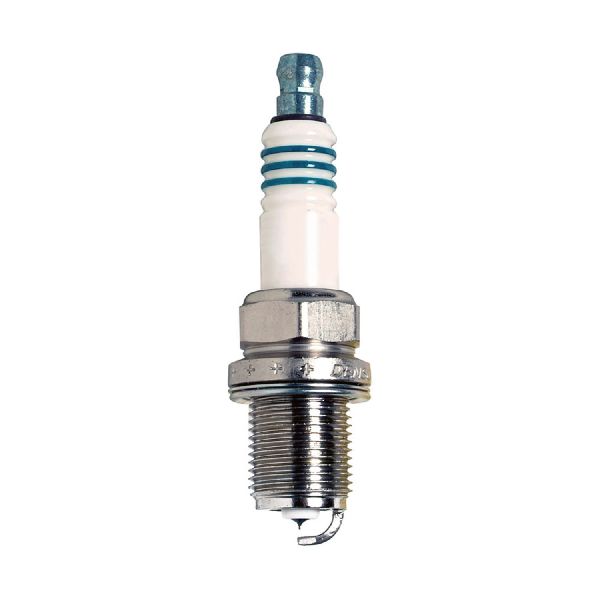
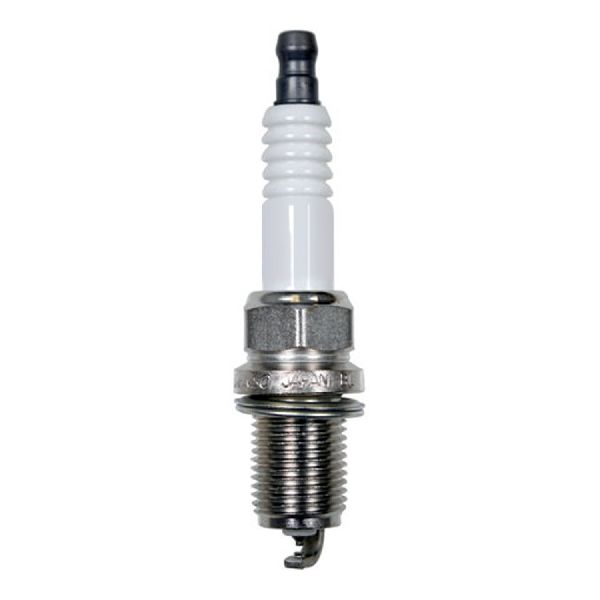
- Top Tier (OEM equivalent): NGK and Denso are the most recommended brands by Supra owners and mechanics. They offer excellent performance and reliability. Both offer standard copper, longer-lasting platinum, and high-performance iridium options. For most owners, NGK or Denso plugs are the best choice.
- Performance Tier: MSD is known for performance ignition systems, but for spark plugs, most Supra enthusiasts stick with specific NGK or Denso models proven to work well with the 7M engines.
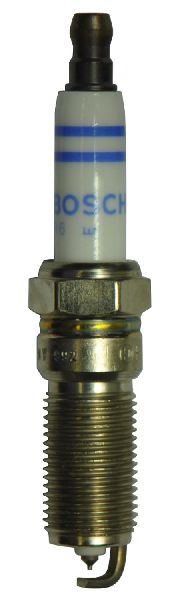
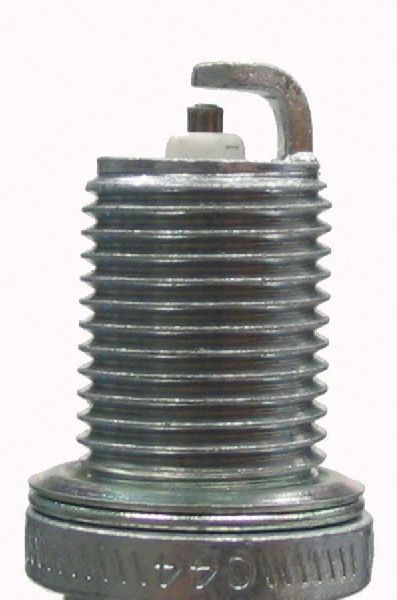
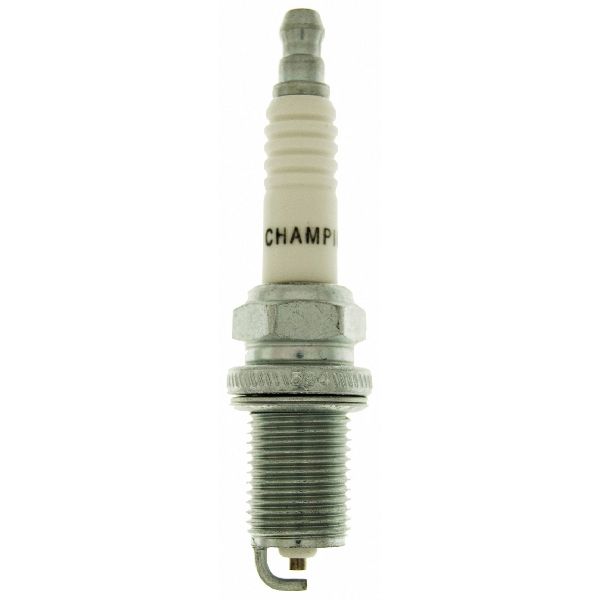
- Standard/Budget Tier: Brands like Autolite and Champion offer copper plugs that can work, and some owners use them without issue. However, given the sensitivity of the turbo engine in particular, most experienced owners recommend spending a few extra dollars on NGK or Denso. Bosch plugs have a mixed reputation in the Supra community, with some owners preferring to avoid them. Skyward is a less common brand with limited feedback.
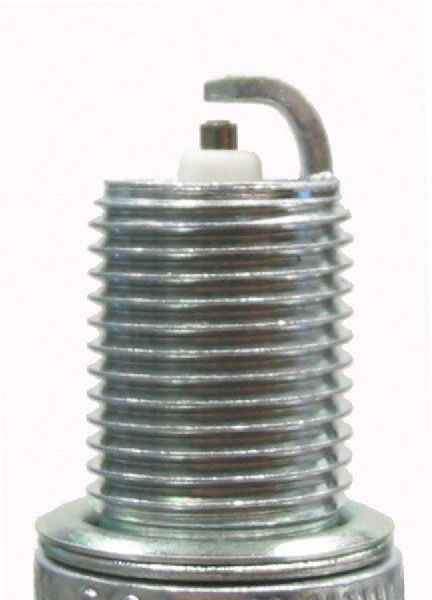
Pro Tip: Always check the spark plug gap before installation, even if the box says they are "pre-gapped." A feeler gauge is a cheap and essential tool. The correct gap ensures the strongest spark. For a stock 7M-GTE, the gap is smaller than the 7M-GE to prevent the spark from being "blown out" by the turbo's boost pressure.
Known Issues, Recalls, and TSBs
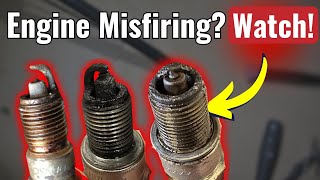
There are no specific recalls or Technical Service Bulletins (TSBs) from Toyota or the NHTSA related to spark plugs for the 1986-1992 Supra. Any recalls found are for much newer Supra models. The most common "issue" is owners installing the wrong heat range plug in a 7M-GTE turbo engine, which can lead to poor performance and potentially serious engine damage. Fouled plugs on these cars are often a symptom of other problems, like oil leaks from the valve covers or other engine issues.
DIY Replacement Guide
Changing the spark plugs on a 7M engine is a straightforward job that most DIY mechanics can handle in under an hour. 🎬 Watch this step-by-step video on how to replace your spark plugs.
- Ensure the engine is cool. Working on a hot engine is dangerous.
- Access the plugs. You will need to disconnect the spark plug wires from the plugs. Label the wires to ensure they go back to the correct cylinder.
- Clean the area. Before removing the old plugs, clean the area around them to prevent dirt from falling into the engine cylinders.
- Remove old plugs. Using a spark plug socket and a ratchet, turn the plugs counter-clockwise to remove them.
- Install new plugs. After checking the gap, carefully thread the new plugs in by hand to avoid cross-threading. Tighten them until they are snug, then give them a final turn with the wrench (typically 1/2 to 2/3 of a turn for gasket-seat plugs) or use a torque wrench to the manufacturer's specification (often around 13-18 ft-lbs). Do not over-tighten.
- Reconnect wires. Re-attach the spark plug wires to the correct plugs.
Frequently Asked Questions
What is the correct spark plug gap for my Supra?
For a stock 7M-GE (non-turbo), the gap is typically around 1.1mm (0.044"). For a stock 7M-GTE (turbo), a smaller gap around 0.8mm (0.032") is often recommended to prevent spark blow-out under boost. Always verify with the plug manufacturer or a vehicle repair manual.
How often should I change my Supra's spark plugs?
It depends on the plug type. Standard copper plugs, often preferred for turbo cars, should be checked or changed frequently, sometimes every year or 15,000 miles. Platinum or iridium plugs can last much longer, often 60,000 miles or more, but are more expensive.
Should I use copper, platinum, or iridium plugs?
For the 7M-GTE, many enthusiasts prefer inexpensive copper plugs and change them often. Copper is an excellent conductor. For the 7M-GE, platinum plugs offer a great balance of performance and longevity. Iridium is a high-performance, long-life option for both engines but comes at a higher cost.
What happens if I use the wrong heat range plug?
Using a plug that is too "hot" (a lower number for NGK) in the 7M-GTE can lead to pre-ignition/detonation, which can cause catastrophic engine damage. Using a plug that is too "cold" (a higher number for NGK) in a stock 7M-GE may cause it to foul up with carbon deposits because it can't get hot enough to burn them off, leading to misfires.
Helpful Videos
Technical Specifications
OEM Part Numbers: 90919-01145 90919-01121
Recommended Plugs by Engine: - 7M-GE (Non-Turbo): NGK BCPR5EP11 - 7M-GTE (Turbo, Stock): NGK BCPR6EP-N8 - 7M-GTE (Turbo, Modified): NGK BKR7E (or colder) Tools Required: Ratchet, spark plug socket (16mm or 5/8"), extensions, spark plug gap gauge.
We Have This Part in Stock

The information in this article is provided for general reference and educational purposes only. Vehicle specifications, procedures, and part compatibility can vary by production date, trim level, and region. Always consult your vehicle's factory service manual and verify part numbers before purchasing or performing repairs. Safety-critical components such as airbags, seat belts, and braking systems should be installed by a qualified professional.
- Toyota Supra: