

Ford E-350 Econoline Oxygen Sensor Guide (1986-1993)
Keep your classic Ford van running strong with the right oxygen sensor.
- Your 1986-1993 E-350 likely has only one oxygen sensor, located before the catalytic converter.
- Choose a direct-fit aftermarket sensor from a quality brand like Bosch, Denso, or NGK; avoid universal parts.
- A bad sensor will cause a Check Engine Light, poor fuel economy, and rough running.
- This is a manageable DIY job, but be prepared for a stubborn, rusted sensor. Use penetrating oil.
Is Your E-350's Oxygen Sensor Failing?
On these classic Econoline vans, the oxygen sensor is a common wear-and-tear item. When it starts to fail, it can't send accurate information to the engine computer. This can cause a variety of problems that affect your van's performance and reliability.
Key Failure Symptoms:
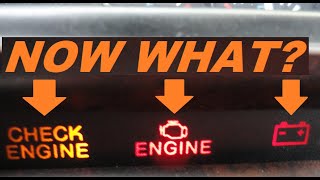
- Check Engine Light: This is the most obvious sign. Your van uses an older diagnostic system called EEC-IV. A failing sensor can trigger specific codes.
- Poor Fuel Economy: If the sensor is stuck telling the computer the engine is lean (too much air), the computer will add more fuel than necessary, hurting your gas mileage.
- Rough Idle or Stalling: An incorrect air-fuel mixture can make your engine run unevenly, especially when stopped or at low speeds.
- Failed Emissions Test: A bad O2 sensor is a common reason for failing a smog test, as it directly impacts the vehicle's emissions output.
- Black Smoke or Rotten Egg Smell: A rich-running engine can produce black, sooty smoke from the tailpipe or a sulfuric smell.
A Note on Check Engine Codes
Your 1986-1993 E-350 does not use the modern OBD-II codes (like P0130). It uses a system called EEC-IV, which generates two-digit codes. Common codes for a faulty oxygen sensor circuit include Code 41 (system lean) and Code 42 (system rich). You will need a special code reader or use the jumper wire method to retrieve these codes.
🎬 Watch: How to pull EEC-IV codes using the jumper wire method.Choosing the Right Aftermarket Oxygen Sensor
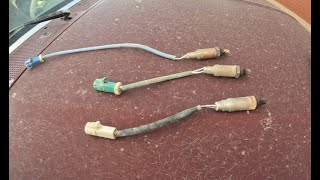
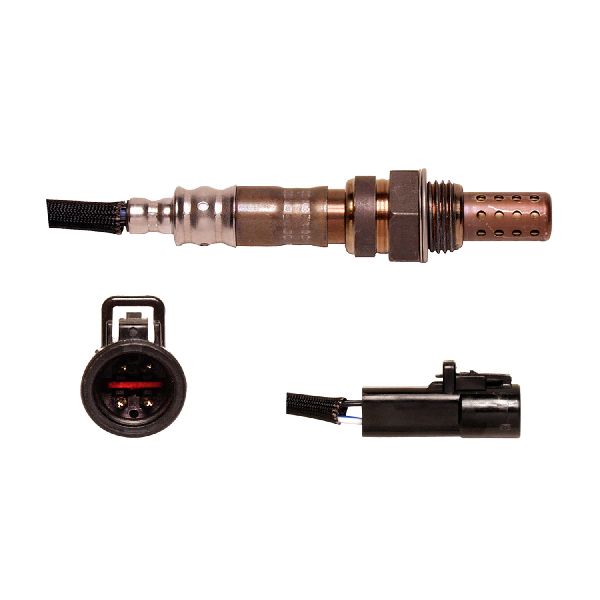
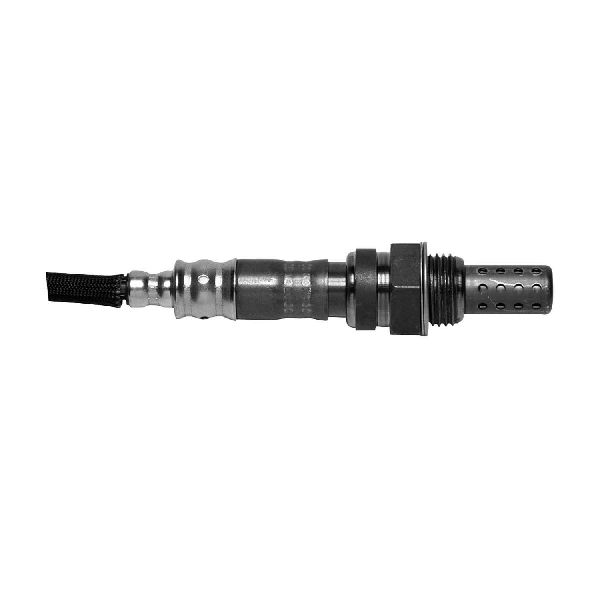
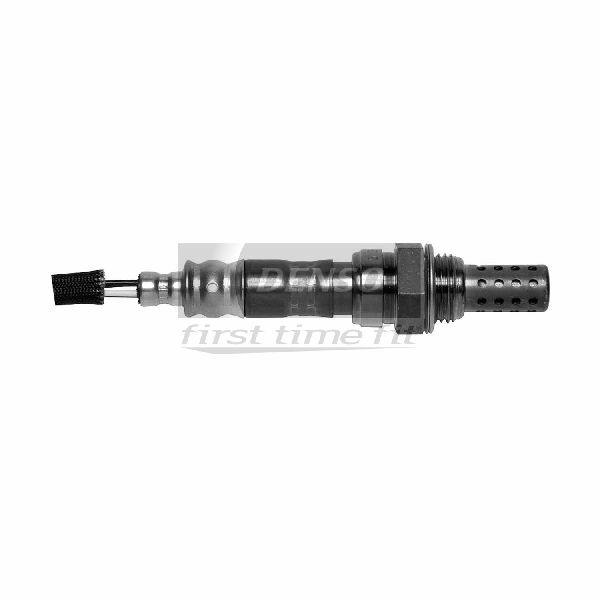
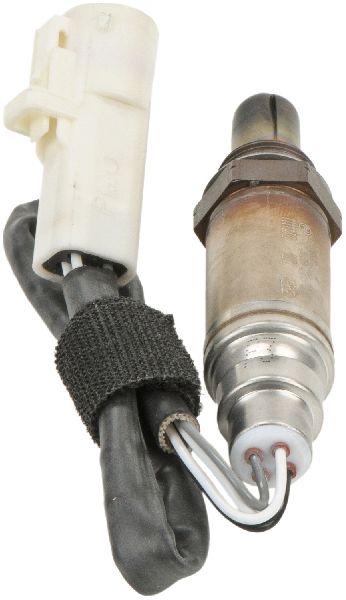
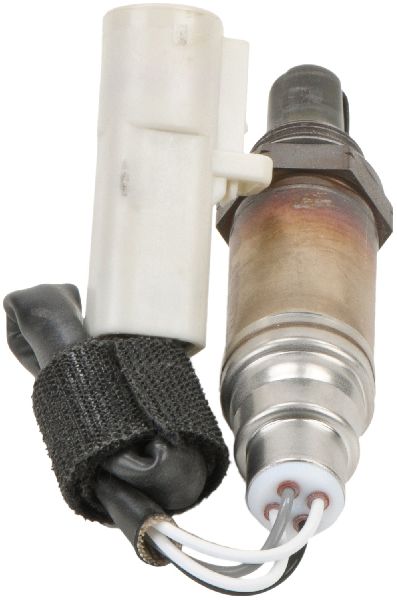
For a vehicle of this age, a high-quality aftermarket sensor is a smart and affordable choice. The original Motorcraft parts can be difficult to find. The key is to choose a reputable brand that offers a "direct-fit" sensor. Avoid "universal" sensors that require you to cut and splice wires, as this can lead to connection problems.
Brand Quality Tiers for Your Econoline:
- Top Tier (OEM Quality): Bosch, Denso, NGK (NTK). Bosch was often the original equipment manufacturer for Ford during this era. Denso and NGK/NTK are also world-class brands known for reliability and are considered excellent choices. You can't go wrong with a direct-fit sensor from any of these three brands.
- Standard Tier: Walker Products, Spectra. These brands offer a good balance of quality and price. They are a reliable option if a top-tier brand is not available or if you are on a tighter budget.
- Economy Tier: DriveWire. This brand provides a functional replacement at the lowest price point, suitable for getting a vehicle back on the road affordably.
Pro Tip: Your van, depending on the specific engine (4.9L, 5.8L, or 7.5L), likely only has one oxygen sensor. It is located in the exhaust pipe before the catalytic converter. Always verify the location on your specific vehicle before ordering.
Cost to Replace Your Oxygen Sensor
Replacing the oxygen sensor on your E-350 is a relatively inexpensive job. The parts are affordable, and labor is straightforward for a mechanic.
| Item | Estimated Cost |
|---|---|
| New Aftermarket Oxygen Sensor | $34.81 - $74.81 |
| Shop Labor | $73 - $107 |
| Total Estimated Cost (Installed) | $108 - $182 |
Frequently Asked Questions
Can I replace the oxygen sensor myself?
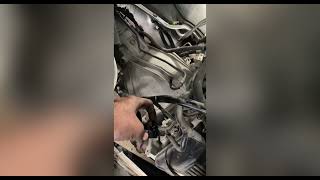
Yes, this is a DIY-friendly job for someone with basic tools. The main challenge is often removing the old sensor, which can be rusted in place. 🎬 Watch this step-by-step walkthrough of an Econoline sensor replacement. Use plenty of penetrating oil and let it soak before trying to remove it. You will also need a special oxygen sensor socket that has a slit for the wire. Access is typically from underneath the van or by removing the interior engine cover ('doghouse').
🎬 See how to access the sensor without going under the van.How many oxygen sensors does my 1986-1993 E-350 have?
Most vans from this era have only one oxygen sensor. It is located upstream of the catalytic converter. This is different from newer vehicles that have multiple sensors.
Should I buy a universal sensor to save money?
It is strongly recommended to buy a direct-fit sensor. Universal sensors require you to cut your old connector and splice it onto the new sensor. This introduces a potential point of failure. The small cost savings are usually not worth the risk of a bad connection.
Are there any recalls for the oxygen sensor on this van?
No. There are no recalls or technical service bulletins (TSBs) from Ford or the NHTSA related to the oxygen sensor for the 1986-1993 Ford E-350 Econoline.
Helpful Videos
Technical Specifications
Your van is equipped with the EEC-IV diagnostic system. It likely uses a single, 3-wire or 4-wire heated oxygen sensor located upstream of the catalytic converter. Ensure the replacement part is a direct-fit with the correct electrical connector.
We Have This Part in Stock

The information in this article is provided for general reference and educational purposes only. Vehicle specifications, procedures, and part compatibility can vary by production date, trim level, and region. Always consult your vehicle's factory service manual and verify part numbers before purchasing or performing repairs. Safety-critical components such as airbags, seat belts, and braking systems should be installed by a qualified professional.
- Ford E-350 Econoline: