

A Ford Mechanic's Guide to Aftermarket Brake Rotors for the 1986-1993 Taurus
Don't just replace your brake rotors; upgrade them for better safety and performance on your first-generation Taurus.
- A 1986-1991 Taurus had a recall for faulty front rotors; modern aftermarket rotors are a crucial safety upgrade.
- Verify if your car is a standard model or an SHO, as they use different, non-interchangeable brake rotors.
- Always replace rotors and pads in pairs for both front or both rear wheels to ensure even braking.
- For most owners, a coated 'Daily Driver' rotor from a brand like Raybestos, Centric, or Bosch offers the best combination of performance and value.
Is Your Taurus Showing Signs of Bad Rotors?
When your brake rotors are worn out, they don't keep it a secret. Your car will give you clear signs that it's time for a replacement. Ignoring these can lead to longer stopping distances and more expensive repairs down the road.
- Vibration or Pulsing: If you feel a pulsing in the brake pedal or a vibration in the steering wheel when you brake, your rotors are likely warped. This happens from heat and means the surface is no longer perfectly flat.
- Grinding or Squealing: A high-pitched squeal can mean the brake pads are worn out, but a deeper grinding noise often means the pads are gone and you have metal-on-metal contact. This ruins the rotor and is a critical safety issue.
- Visible Grooves or Damage: Take a look at your rotors. If you see deep grooves, scoring, or large patches of rust, their ability to stop the car effectively is compromised.
- Longer Stopping Distances: If you feel like your Taurus isn't stopping as quickly as it used to, worn rotors could be the cause. As they get thinner, they can't handle heat as well, leading to a phenomenon called brake fade.
Known Issue: 1986-1991 OEM Front Rotor Recall
A major safety recall (NHTSA Campaign ID 91V134000) was issued for 1986-1991 Ford Taurus models. The original factory "composite construction" front brake rotors could corrode, weaken, and even fracture. This could lead to a severe loss of braking power. Because of this, choosing a modern, solid cast aftermarket rotor is not just a replacement, it's a significant safety upgrade over the original factory design.
Choosing the Right Aftermarket Rotor for Your Taurus
With a car from this era, aftermarket parts are often better than what came from the factory. This is especially true for the Taurus rotors. Here’s how the brands break down.
Brand Quality Tiers
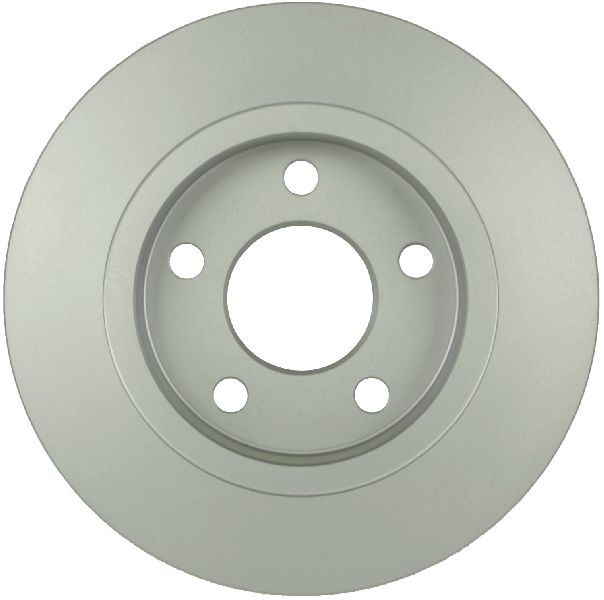
- Daily Driver (Best Value): Brands like Raybestos, Centric, Bendix, and Bosch QuietCast offer excellent quality for a daily-driven Taurus. They meet or exceed original specifications and provide reliable, quiet stopping power. For a few dollars more, look for a rotor with a protective coating (often grey or black) on the hub and edges. This coating prevents rust and keeps them looking good behind your wheels.
- Performance (For SHO & Enthusiasts): If you have a high-performance SHO model or just want more braking power, brands like Powerstop (often in kits with pads), EBC Brakes, and Brembo are top choices. They offer features like slots and drills to help dissipate heat during aggressive driving. For a standard Taurus, these are usually overkill.
- Economy: Brands like Pronto or other budget-friendly options will get the job done. However, they may use lower-grade materials that can be more prone to noise and warping over time. Given the small price difference, stepping up to a Daily Driver brand is highly recommended for durability and peace of mind.
Pro Tip: Replace in Pairs
Always replace your brake rotors and brake pads at the same time, and always replace them in pairs (both front wheels or both rear wheels). Installing new pads on old, worn rotors will cause noise, poor performance, and wear out the new pads very quickly. Replacing only one side can cause the car to pull during braking.
Common Ordering Mistakes
- SHO vs. Standard Model: The high-performance Taurus SHO used different, larger brake components than the standard models. Double-check your vehicle's submodel before ordering. Parts for a standard Taurus will NOT fit an SHO, and vice-versa.
- Rear Brakes: Many first-generation Taurus models came with drum brakes in the rear, not discs. A disc brake rotor will not fit. Before ordering rear rotors, physically check your car to confirm you have rear disc brakes.
Aftermarket Rotor Cost for 1986-1993 Ford Taurus
| Rotor Tier | Price Range (Per Rotor) | Best For |
|---|---|---|
| Economy | $23 - $35 | Strict budgets, minimal driving |
| Daily Driver (Coated) | $35 - $60 | Most owners, best balance of price and quality |
| Performance (Slotted/Drilled) | $60 - $88+ | SHO models, spirited driving |
Frequently Asked Questions
Can I just resurface my old rotors?
In the past, resurfacing (or "turning") rotors on a lathe was common. Today, with the low cost of new aftermarket rotors, it's almost always better and safer to just replace them. A new rotor has the maximum thickness for heat dissipation, while a resurfaced rotor is thinner and more likely to warp.
Do I need special tools to replace my rotors?
You'll need a jack and jack stands, a socket set (including larger sizes for the caliper bracket bolts), a C-clamp or piston compressor tool to retract the caliper piston, and a torque wrench. It's a straightforward job for a DIYer with some experience, but if you're not comfortable, it's a relatively inexpensive job for a professional mechanic.
What's the difference between a coated and uncoated rotor?
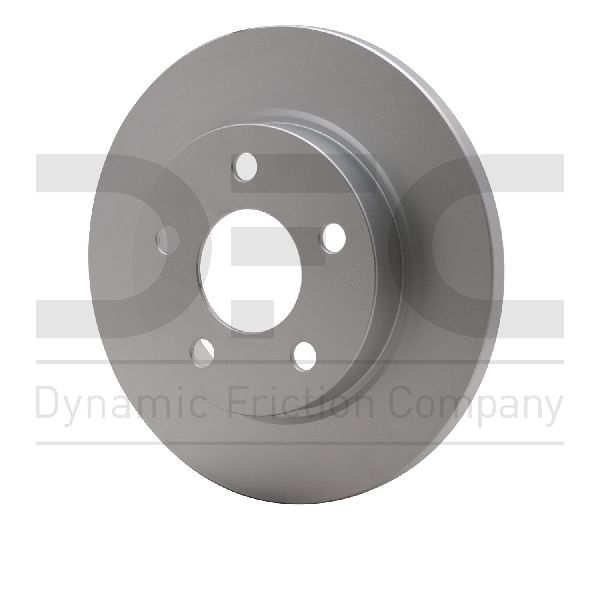
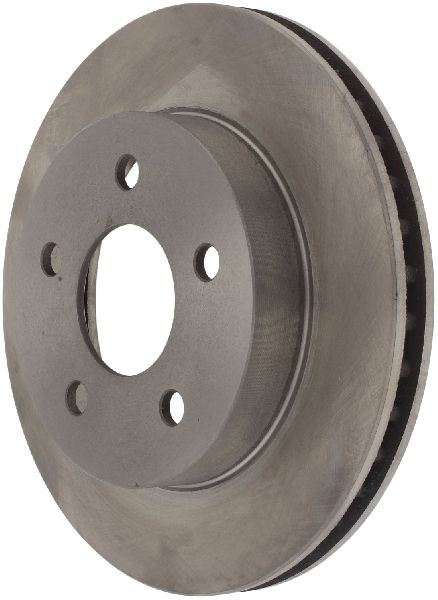
An uncoated rotor is bare cast iron. The areas not touched by the brake pad will quickly develop surface rust, which is ugly but usually harmless. A coated rotor has a protective layer on the hub (the center part) and edges to prevent this rust, keeping your wheels looking clean. The coating on the braking surface itself will wear off with the first few stops.
Are drilled and slotted rotors better?
For a race car, yes. For your daily-driven Taurus, not necessarily. Drilled holes and slots help vent hot gases and water for better performance in extreme conditions but can sometimes be noisier and cause pads to wear faster. For a standard Taurus, a high-quality, solid (non-drilled) rotor is the most reliable choice.
Technical Specifications
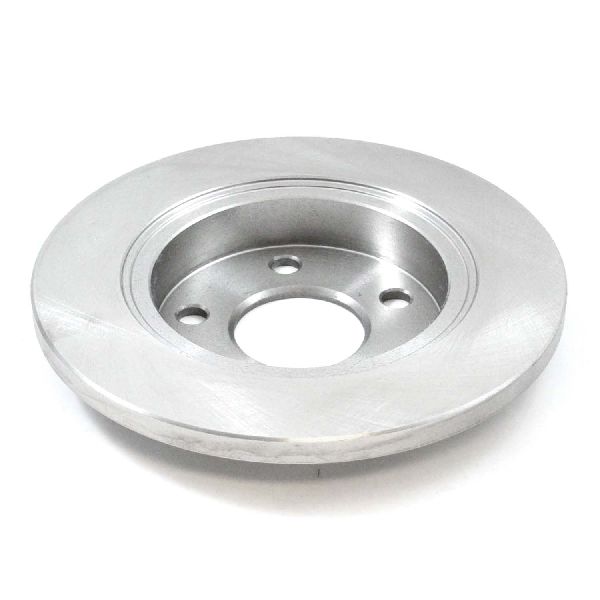
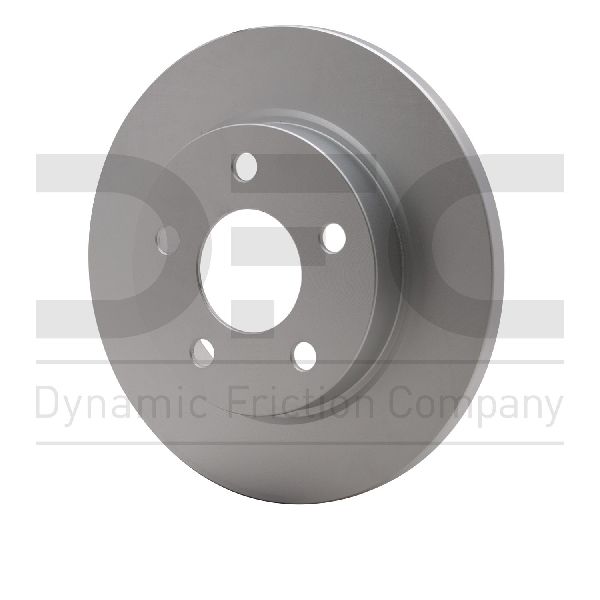
OEM Part Numbers: E6DZ1125A E9DZ1125A F6DZ-1125-B
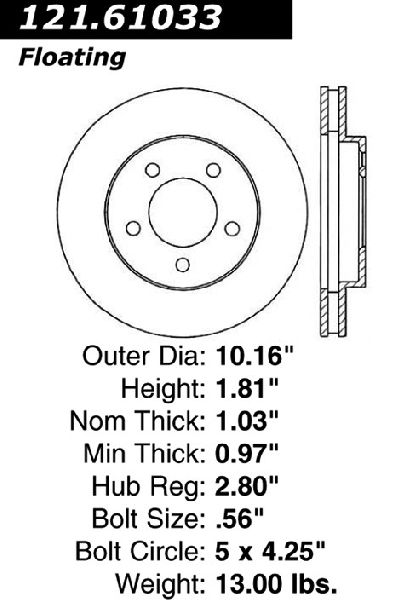
Rotor diameter and thickness vary between standard models and the SHO performance version. Some standard models are equipped with rear drum brakes and do not use a rear rotor. Always verify your specific submodel and brake configuration before ordering.
We Have This Part in Stock

The information in this article is provided for general reference and educational purposes only. Vehicle specifications, procedures, and part compatibility can vary by production date, trim level, and region. Always consult your vehicle's factory service manual and verify part numbers before purchasing or performing repairs. Safety-critical components such as airbags, seat belts, and braking systems should be installed by a qualified professional.
- Ford Taurus:
- 🛍️ Shop This Part
- Is Your Taurus Showing Signs of Bad Rotors?
- Known Issue: 1986-1991 OEM Front Rotor Recall
- Choosing the Right Aftermarket Rotor for Your Taurus
- Brand Quality Tiers
- Pro Tip: Replace in Pairs
- Common Ordering Mistakes
- Aftermarket Rotor Cost for 1986-1993 Ford Taurus
- Frequently Asked Questions
- 🎟️ Get 5% Off