

Honda Accord Engine Cooling Fan Switch Guide: 1986-1993
Is your Accord overheating in traffic? Your cooling fan switch might be the problem.
- The main symptom of failure is overheating at idle or in slow traffic.
- Verify the switch location before buying: 1986-89 models have it on the radiator, while 1990-93 models have it on the thermostat housing.
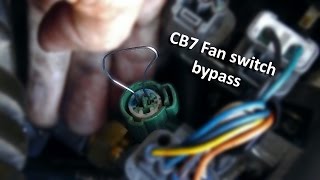
- You can quickly test the fan circuit by unplugging the switch and jumping the connector pins; if the fans run, the switch is likely bad.
- This is a DIY-friendly repair, but you must drain some coolant first and bleed the system after.
Is Your Accord Overheating at Stoplights?

For the 1986-1993 Honda Accord, one of the most common reasons for the temperature gauge to climb in traffic is a failing engine cooling fan switch. When you're driving at speed, enough air moves through the radiator to keep the engine cool. But when you stop, the cooling fans are supposed to take over. If they don't, the temperature can rise quickly. A bad fan switch is a frequent cause of this problem.
Don't Ignore Overheating
If your temperature gauge enters the red zone, pull over and shut off the engine as soon as it is safe. Driving an overheating engine can cause severe and expensive damage, such as a warped cylinder head or a blown head gasket.
Symptoms of a Failing Fan Switch

- Overheating at Idle: The car's temperature gauge rises above the halfway mark when you are stopped in traffic or idling, but returns to normal when you start driving at higher speeds.
- Fans Don't Turn On: After the engine has warmed up, you never hear or see the cooling fans running when the car is parked.
- A/C Trick: You find that turning on your air conditioning forces the fans to run and brings the engine temperature down. This is a common temporary fix used by owners with a bad fan switch.
- Fans Always On: Less commonly, the switch can fail in the 'on' position, causing the cooling fans to run constantly whenever the car is on, even when the engine is cold.
Finding the Right Aftermarket Switch for Your Accord

There are two main versions of this switch for this generation range, so ordering the correct one is critical.
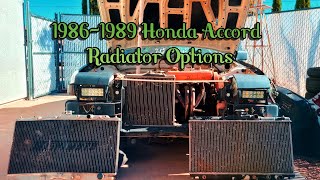
- For 1986-1989 Accords (3rd Gen): The fan switch is typically located on the radiator itself. 🎬 Watch this guide on 1986-1989 Honda Accord radiator options
- For 1990-1993 Accords (4th Gen): The main fan switch is located on the thermostat housing, under the distributor. These models may also have a secondary switch for a fan timer that operates after the car is turned off.
When choosing a new part, you have options. While many Honda enthusiasts prefer to use genuine OEM parts for critical cooling system components, a quality aftermarket part can offer good performance for a lower price. Not all aftermarket brands are created equal.
Here’s a general breakdown of the available brands:
- Higher-Tier Aftermarket (Standard Ignition, Walker Products): These brands often have a reputation for quality control and engineering that meets or exceeds original specifications. Standard Motor Products, for example, details its use of custom wax formulations and factory calibration for its switches.
- Mid-Tier Aftermarket (Four Seasons): Four Seasons is a well-known brand, especially for air conditioning and cooling system parts, offering a balance of price and reliability.
- Value Brands (Global Parts, Rostra Powertrain): These brands provide a cost-effective solution. While they may meet the basic requirements, long-term durability can sometimes be a concern compared to higher-tier options.
Pro Tip: Check the Connector
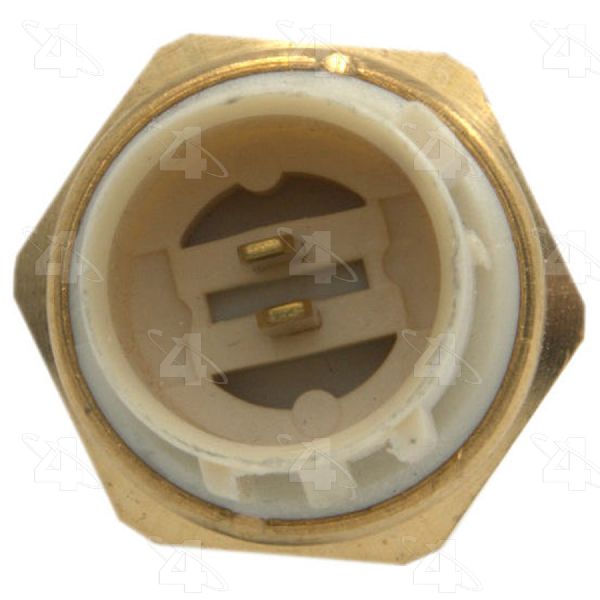
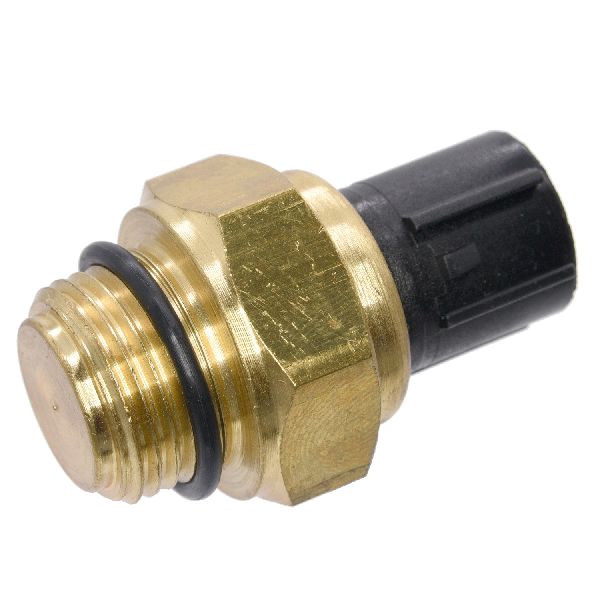
Before ordering, visually inspect the switch on your car. Confirm its location (radiator or thermostat housing) and check the shape of the electrical connector to ensure the new part is an exact match.
Typical Costs for a New Fan Switch
| Part Type | Estimated Cost |
|---|---|
| New Aftermarket | $15 - $70 |
| Shop Labor | $50 - $100 |
Cost estimates are approximate and can vary by location and vehicle condition.
Frequently Asked Questions

How do I test my old fan switch?
The easiest way is to let the car warm up to operating temperature. If the temp gauge goes past halfway and the fans aren't on, the switch is suspect. A more direct test is to unplug the switch's connector and use a small wire or paperclip to connect the two terminals inside the plug. If the fans turn on, 🎬 Watch: How to check if your engine fans work on a Honda the switch is almost certainly bad.
Are there any recalls for the fan switch on my Accord?
No, there are no official recalls or technical service bulletins (TSBs) from Honda or the NHTSA for the engine cooling fan switch on 1986-1993 Honda Accords. Failures are typically due to the part's age.
Can I replace the fan switch myself?
Yes, this is a good DIY job for a beginner. You will need to drain some coolant first to avoid a spill. The job involves unplugging the electrical connector, unscrewing the old switch with a wrench (usually 24mm), and installing the new one. Afterwards, you must top off the coolant and properly bleed any air from the system.
🎬 See this walkthrough on how to test and replace the switchWhy are there two different fan switches listed for my 1991 Accord?
On 1990-1993 models, one switch (on the thermostat housing) controls the fans when the engine is running. A second switch (often on the upper radiator hose housing) works with a timer to run a fan for a short time after the engine is shut off to cool it down. The switch on the thermostat housing is the one that prevents overheating in traffic.
Helpful Videos
![Radiator Fan install [1990-1997 Honda Accord // CB]](https://img.youtube.com/vi/W2wEdNTvA_o/mqdefault.jpg)

Technical Specifications
OEM Part Numbers: 37760-PH2-014 37760-PLZ-D00 37760-P00-003 37760-P00-004
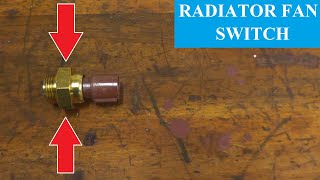
This is a thermally-activated, two-prong electrical switch. The location and temperature rating vary by year. 1986-1989 models use a switch on the radiator. 1990-1993 models use a switch on the thermostat housing.
We Have This Part in Stock


The information in this article is provided for general reference and educational purposes only. Vehicle specifications, procedures, and part compatibility can vary by production date, trim level, and region. Always consult your vehicle's factory service manual and verify part numbers before purchasing or performing repairs. Safety-critical components such as airbags, seat belts, and braking systems should be installed by a qualified professional.
- Honda Accord: