

A/C Compressor Replacement Guide for the 1986-1993 Toyota Camry
Keep your classic Camry's air conditioning blowing cold by choosing the right replacement compressor.
- A new compressor requires a full conversion from the original R12 refrigerant to modern R134a.
- You must replace the receiver/drier and expansion valve, and flush the system to prevent immediate failure of the new compressor.
- Denso is the OEM-quality choice, while Four Seasons and Global Parts are reliable aftermarket alternatives.
- This is not a simple DIY job; it requires specialized equipment and professional refrigerant handling.
Symptoms of a Failing A/C Compressor
When the A/C compressor on your 1986-1993 Toyota Camry is failing, it will usually give you clear warning signs. Ignoring them can lead to more expensive repairs if the compressor fails completely and sends debris through the system.
- Warm Air from Vents: This is the most common symptom. If the compressor can't pressurize the refrigerant, the system can't remove heat from the cabin.
- Loud Noises: Grinding or squealing sounds when you turn on the A/C often point to worn-out internal bearings. Clicking or rattling noises can indicate a failing compressor clutch or loose mounting bolts.
- Visible Leaks: The compressor has seals that can wear out over time, leading to refrigerant and oil leaks. You might see a greasy, grimy buildup on the compressor body.
- Compressor Clutch Not Engaging: The outer part of the compressor pulley should engage and spin with the inner hub when you turn on the A/C. If it doesn't click on, the clutch may have failed, or the system could have other electrical issues or be low on refrigerant.
The R12 to R134a Refrigerant Conversion
Your 1986-1993 Camry was built to use R12 refrigerant, which is no longer manufactured and is very expensive and difficult to source. All new aftermarket compressors are designed for use with modern R134a refrigerant. Simply adding R134a to an old R12 system will cause catastrophic failure. The mineral oil used in the R12 system is not compatible with the PAG or POE oil used for R134a systems; when mixed, they can form a sludge that destroys the new compressor.
A proper conversion, which is necessary when replacing the compressor, includes:
- Installing a new R134a-compatible compressor.
- Replacing the receiver/drier and expansion valve.
- Thoroughly flushing the evaporator, condenser, and lines to remove all old mineral oil.
- Installing new, green O-rings designed for R134a.
- Charging the system with the correct amount of R134a (typically 70-80% of the original R12 charge).
Toyota issued a Technical Service Bulletin (TSB) A/C 002–98 in November 1998 outlining the official procedure for retrofitting these vehicles to R134a.
Choosing the Right Aftermarket Compressor
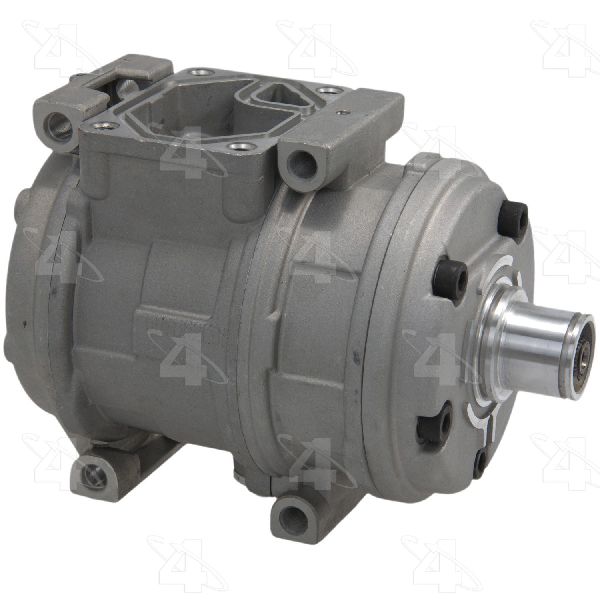
Not all aftermarket parts are created equal. For a critical component like the A/C compressor, choosing a quality brand can save you from doing the job twice.
- Denso (Tier 1): Denso is a well-known original equipment manufacturer (OEM) for Toyota. Choosing a new Denso compressor is the closest you can get to the original part's quality and reliability. They are known for quiet operation and durability.
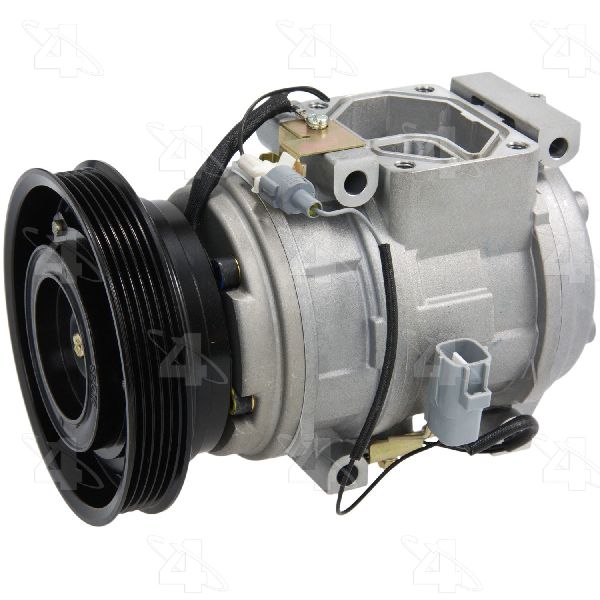
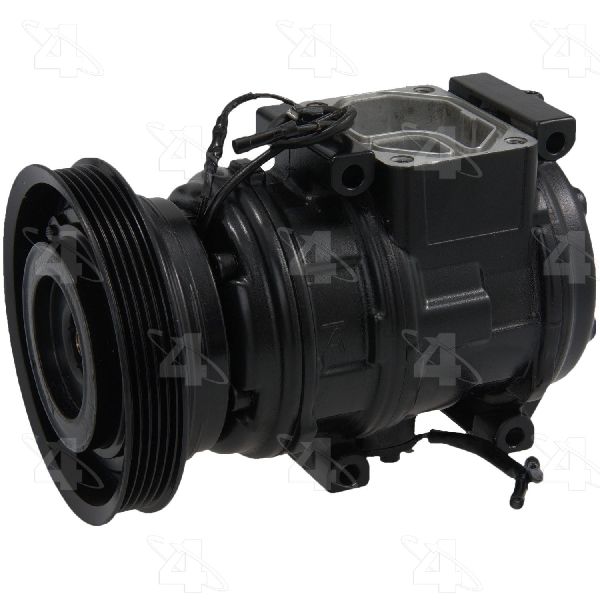
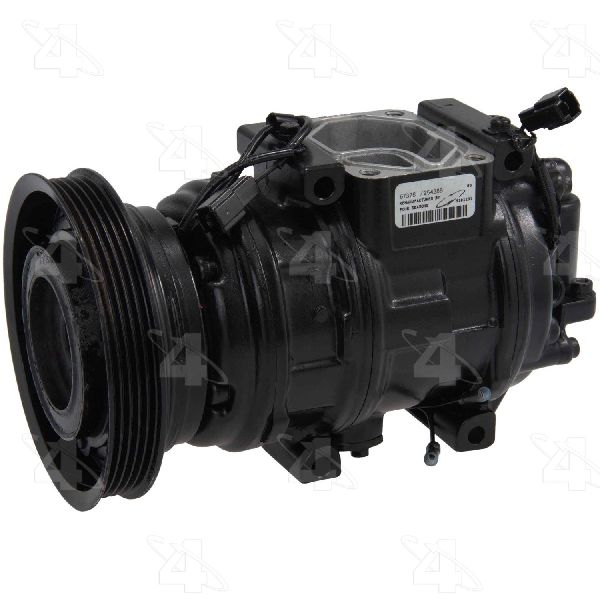
- Four Seasons (Tier 2): Four Seasons is one of the largest aftermarket A/C parts suppliers and offers both new and remanufactured compressors. They are a reputable brand and a solid choice for a balance of quality and cost.
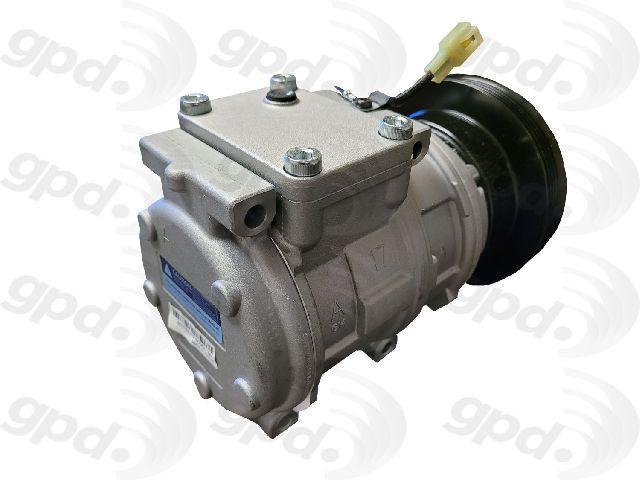
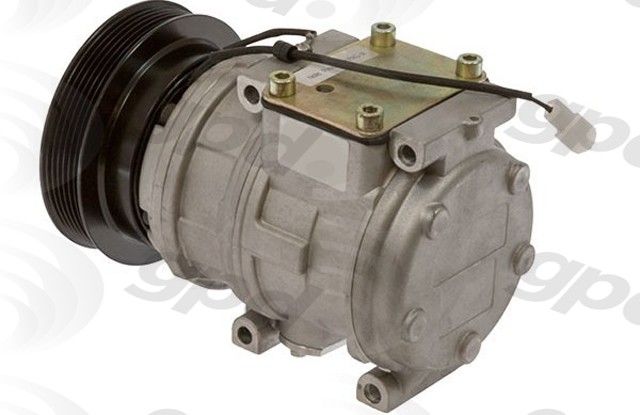
- Global Parts Distributors (GPD) (Tier 3): GPD is another established aftermarket brand that offers a cost-effective alternative. They often provide full kits, which can be convenient for a complete conversion.
Estimated Replacement Costs
| Part or Service | Estimated Cost |
|---|---|
| New Aftermarket A/C Compressor | $210 - $694 |
| Shop Labor (including system evacuation and recharge) | $300 - $550 |
| Associated Parts (Receiver/Drier, Expansion Valve, Flush, etc.) | $100 - $200 |
| Total Estimated Cost | $610 - $1444 |
Frequently Asked Questions
Do I have to convert to R134a when I replace the compressor?
Yes. New compressors are designed for R134a refrigerant and the compatible oil. Attempting to use R12 or not properly flushing the old R12 oil will cause the new compressor to fail quickly.
What other parts must be replaced with the A/C compressor?
You must replace the receiver/drier (also called an accumulator) and the expansion valve. The receiver/drier contains a desiccant that absorbs moisture, and it is considered a one-time-use part. Replacing these parts is also required by most manufacturers to keep the warranty on the new compressor.
Is replacing the A/C compressor a good DIY job?
For most home mechanics, this is not a recommended DIY job. It requires specialized tools, including a vacuum pump and manifold gauge set, to properly evacuate and recharge the system. Furthermore, it is illegal to release refrigerant into the atmosphere, so the old refrigerant must be recovered by a licensed shop.
Will my A/C be as cold after converting to R134a?
R134a is about 15% less efficient at transferring heat than R12. While a properly converted system will provide effective cooling, it may not blow quite as frigidly cold as the original R12 system did when it was new, especially on extremely hot days.
Technical Specifications
Original system used R12 refrigerant with mineral oil. All new replacement compressors are designed for R134a refrigerant with PAG or POE oil and require a full system conversion.
We Have This Part in Stock

The information in this article is provided for general reference and educational purposes only. Vehicle specifications, procedures, and part compatibility can vary by production date, trim level, and region. Always consult your vehicle's factory service manual and verify part numbers before purchasing or performing repairs. Safety-critical components such as airbags, seat belts, and braking systems should be installed by a qualified professional.
- Toyota Camry: