

Acura Integra Engine Coolant Bypass Hose: A Guide for 1986-1994 Models
Everything you need to know about replacing the coolant bypass hose on your first or second-generation Integra.
- A leaking bypass hose can cause engine overheating, leading to severe damage.
- Always use a pre-molded hose; Gates is often preferred for its accurate fit on Integras.
- Replace old spring clamps with new worm-gear style clamps for a better seal.
- This is an affordable and manageable DIY repair for those with basic tools.
Signs of a Failing Bypass Hose

A failing coolant bypass hose is a common issue on older vehicles like the 1986-1994 Integra. Because the part is made of rubber and constantly exposed to heat and pressure, it will crack, swell, and weaken over time. If you notice any of the following symptoms, it's time to inspect your coolant hoses.
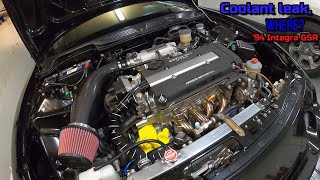
- Coolant Leaks: This is the most obvious sign. You may see small drips or a puddle of green, blue, or pink fluid 🎬 Watch this video to help identify the source of your leak. under your car, typically on the passenger side of the engine bay.
- Sweet Smell: Antifreeze has a distinct sweet smell. If you notice this smell after driving or when the engine is hot, it's a strong indicator of a coolant leak somewhere in the system.
- Engine Overheating: A significant leak from the bypass hose will lower your coolant level, causing the engine to run hotter than normal or overheat completely. An overheating engine can lead to serious and expensive damage, like a blown head gasket.
- Visible Hose Damage: Pop the hood and look at the small coolant hoses. If a hose looks swollen, cracked, brittle, or feels mushy when you squeeze it (when the engine is cold), it needs to be replaced immediately.
Choosing the Right Aftermarket Hose

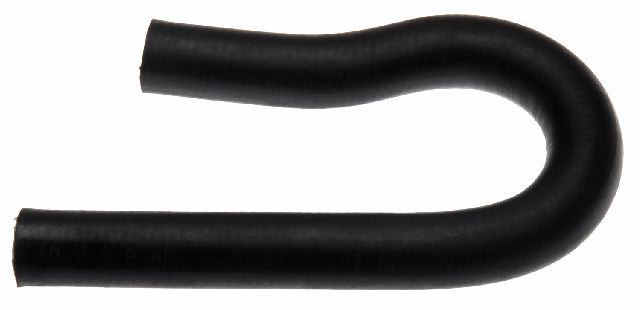
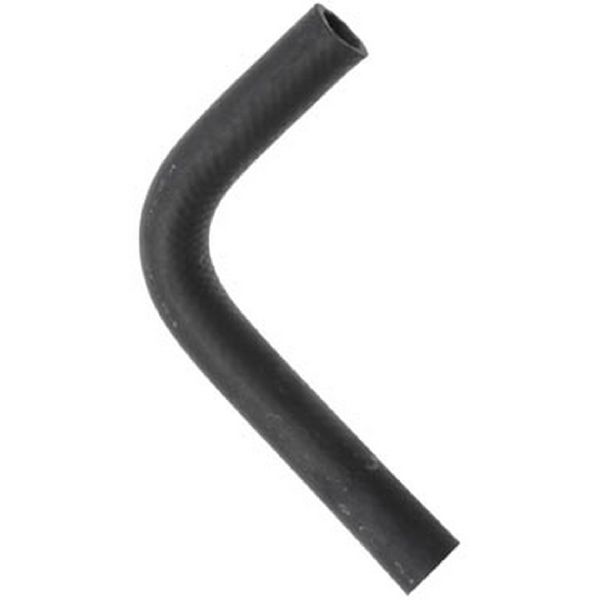
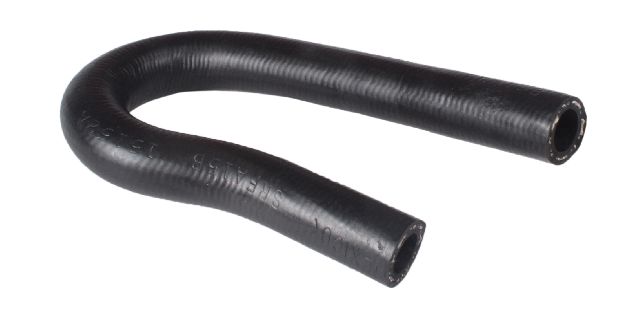
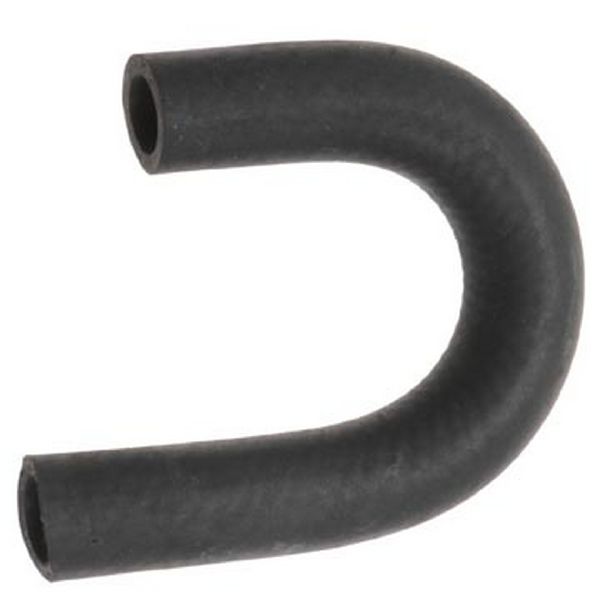
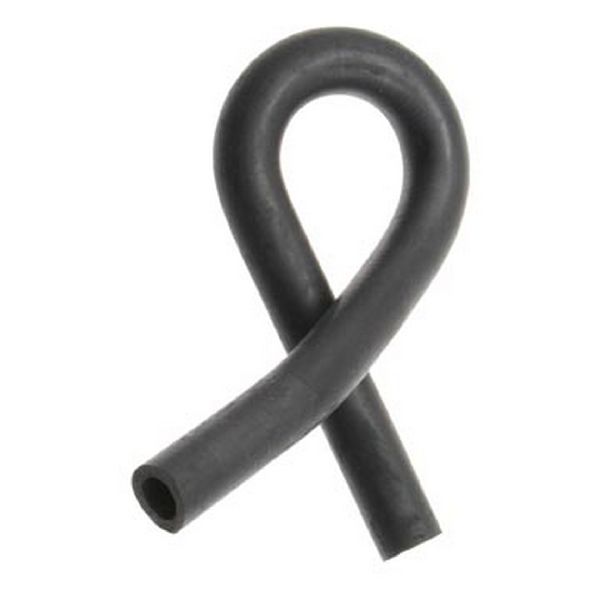
Original OEM hoses for a vehicle of this age can be difficult to find. Fortunately, several high-quality aftermarket brands offer reliable replacements. For a part like this, using a pre-molded hose is critical. Do not use a generic, straight piece of hose, as it will kink when trying to make the tight bends in the Integra's engine bay, which will block coolant flow and cause overheating.
Brand Quality for Your Integra
Tier 1 (Excellent Fit & Quality): Gates
Gates is a top-tier aftermarket brand often recommended in owner forums. For Integra models specifically, users have found that Gates hoses often have a more accurate shape and bend compared to other brands, closely matching the original part. This makes installation easier and ensures proper coolant flow.
Tier 2 (Good Quality & Value): Continental & Dayco
Both Continental (sometimes branded as ContiTech) and Dayco are well-known, reputable manufacturers that produce quality replacement hoses. They are a solid choice and will perform reliably. While some users have occasionally noted minor differences in fitment compared to Gates, they are still considered a dependable option for any repair.
The original spring-style clamps lose tension over many years. It is highly recommended to replace them with new worm-gear style clamps when you install a new hose. This will provide a more secure and reliable seal, preventing future leaks.
Typical Replacement Costs
The cost to replace an engine coolant bypass hose can vary, but it is generally an affordable repair. The part itself is not expensive, and the labor is straightforward for a mechanic.
| Item | Estimated Cost |
|---|---|
| New Aftermarket Part | $19.82 - $29.85 |
| Shop Labor | $73 - $107 |
| Total Estimated Cost | $93 - $137 |
Cost estimates are for a single hose replacement and do not include taxes, fees, or the cost of new coolant.
Frequently Asked Questions

What is the difference between a bypass hose and a radiator hose?
Radiator hoses are the two large hoses that connect the radiator to the engine. Bypass hoses are much smaller in diameter and typically run between different points on the engine, water pump, or throttle body to circulate coolant for warming up or preventing icing.
Can I drive my Integra with a leaking bypass hose?
It is not recommended. A small leak can quickly become a large one, leading to rapid coolant loss and engine overheating. This can cause catastrophic engine damage. You should only drive the car a very short distance to a safe location or a repair shop.
How often should I replace my coolant hoses?
There is no exact replacement interval. As a general rule for a vehicle like the 1986-1994 Integra, it's wise to inspect all coolant hoses annually and consider replacing all of them as a preventative measure every 5-10 years, or whenever you are replacing a component like the radiator or water pump.
Is this a difficult DIY job?
For someone with basic tools and mechanical experience, this is a very feasible DIY job. The main challenges are accessing the hose clamps and properly draining and refilling the coolant. After the repair, you must bleed the air out of the cooling system to prevent overheating.
🎬 Watch: How to properly bleed air from your cooling system.Helpful Videos

Technical Specifications
OEM Part Numbers: 19506-PR3-000
Material: EPDM Rubber. Type: Molded. Common Diameters: 5/8 inch.
We Have This Part in Stock

The information in this article is provided for general reference and educational purposes only. Vehicle specifications, procedures, and part compatibility can vary by production date, trim level, and region. Always consult your vehicle's factory service manual and verify part numbers before purchasing or performing repairs. Safety-critical components such as airbags, seat belts, and braking systems should be installed by a qualified professional.
- Acura Integra: