

Cadillac DeVille Brake Master Cylinder Guide: 1986-1994
Restoring the firm, confident brake pedal your classic Cadillac DeVille deserves.
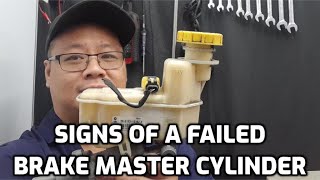
- A soft, spongy, or sinking brake pedal is the most definitive sign of a failing master cylinder.
- Owners of 1986-1987 models must be aware of a serious ABS-related recall that can cause total rear brake failure.
- Bench bleeding the new master cylinder before installation is a mandatory step to ensure a firm pedal and safe operation.
- Always inspect for leaks and check your fluid level. Driving with a known bad master cylinder is extremely dangerous.
Is Your DeVille's Brake Pedal Soft or Sinking?
A firm brake pedal is essential for the safe and controlled driving experience expected from a Cadillac. If your 1986-1994 DeVille's brake pedal feels spongy, sinks to the floor, or requires more effort to stop, the master cylinder is a likely culprit. This component wears internally over time, allowing fluid to bypass seals, which means the pressure you apply with your foot never fully reaches the wheels. Addressing this issue is critical for safety.
Known Issue: 1986-1987 DeVille ABS Recall
Cadillac issued a recall for 1986-1987 DeVille models equipped with anti-lock brakes (NHTSA Campaign ID: 87V093000). An ABS pressure switch could leak brake fluid, leading to the failure of the hydraulic pump motor. This critical failure results in a complete loss of rear brakes and power assist to the front brakes, significantly increasing stopping distances. If you own an '86 or '87 model, it is crucial to inspect for any brake fluid leaks around the ABS components and verify if this recall work was completed.
Symptoms of a Failing Brake Master Cylinder
- Spongy or Sinking Brake Pedal: This is the most common symptom. The pedal feels soft underfoot or slowly sinks toward the floor when you hold it down.
- Visible Fluid Leaks: You may find brake fluid leaking from the rear of the master cylinder, where it bolts to the brake booster on the firewall.
- Contaminated Brake Fluid: Brake fluid should be a clear or light golden color. If the fluid in your reservoir is dark brown or black, it indicates that the internal rubber seals have broken down.
- Brake Warning Light: A drop in hydraulic pressure or low fluid level from a leak can trigger the brake warning light on your dashboard.
- Reduced Stopping Power: The car takes longer to stop because the failing cylinder can't generate enough pressure to the calipers and wheel cylinders.
Choosing the Right Aftermarket Part
For a vehicle of this era, new aftermarket parts offer a practical balance of cost and quality. OEM parts can be difficult to source and expensive. Here’s an honest look at the available brands.
Tier 1: Quality-Focused Aftermarket
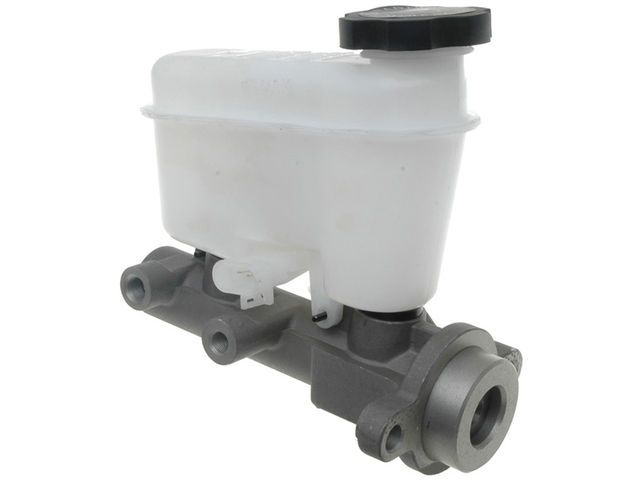
- ACDelco (Professional Series): As a GM-affiliated brand, ACDelco is often considered the go-to for fit and function. Their 'Professional' line is generally regarded as a high-quality replacement. However, be aware that like many brands, parts may be globally sourced, and quality can vary between their different product tiers (e.g., Professional vs. Advantage).
- Centric: Centric has a solid reputation in the aftermarket for producing quality brake components that meet or exceed OEM specifications. They are often recommended on automotive forums as a reliable choice.
Tier 2: Budget-Conscious Options
- Cardone (New): Cardone offers both new ('Select') and remanufactured master cylinders. Their new parts can be a cost-effective option, and many users report success with them.
- Dorman: Dorman is known for engineering solutions and providing parts that are no longer available from the manufacturer. While they offer a wide range of products, their reputation for quality on hydraulic components is mixed among mechanics and DIYers.
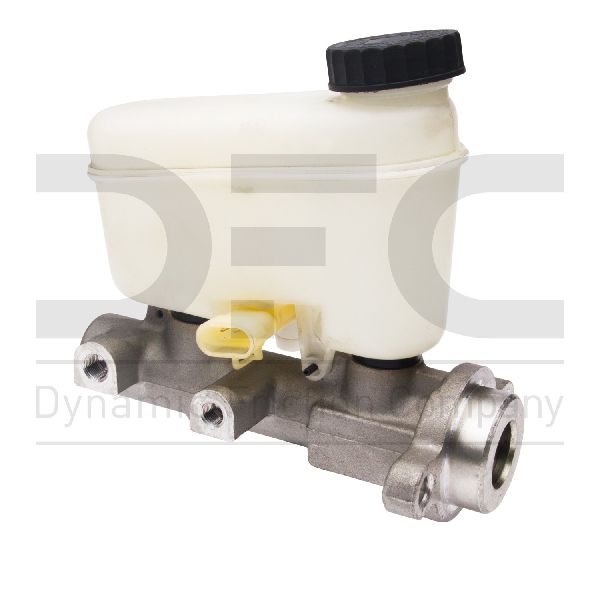
- Dynamic Friction: This brand focuses on providing reliable, cost-effective braking solutions that are a suitable replacement for daily driving needs.
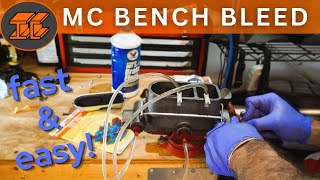
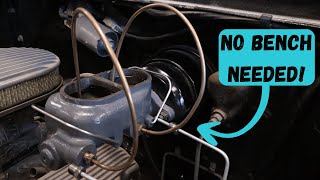
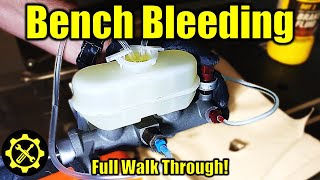
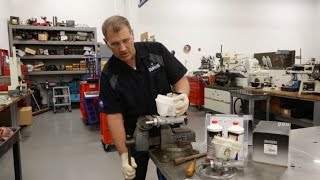
Pro Tip: Before installation, it is absolutely essential to "bench bleed" the new master cylinder. This process removes trapped air from the cylinder itself. Skipping this step will make it nearly impossible to get a firm pedal, no matter how much you bleed the brakes at the wheels.
🎬 See the best method for bench bleeding your new cylinderEstimated Replacement Costs
| Part | Estimated Cost |
|---|---|
| New Aftermarket Master Cylinder | $58 - $126 |
| Shop Labor | $150 - $300 |
| Total Estimated Cost (Installed) | $208 - $426 |
Cost estimates are for the part and labor and do not include taxes, shop supplies, or the cost of new brake fluid.
Frequently Asked Questions
Can I just keep adding brake fluid if it's low?
No. A low fluid level indicates a leak in the system. Brake fluid is toxic and can damage your car's paint. More importantly, a leak means air is getting in and fluid is getting out, which will lead to brake failure. The source of the leak must be found and repaired.
🎬 Watch: 7 common causes of a spongy or soft brake pedalWhat is "bench bleeding" and is it really necessary?
Bench bleeding involves filling the new master cylinder with fluid and using a tool to manually pump the pistons until no more air bubbles come out. This step is critical. A master cylinder installed with air trapped inside will always feel spongy, and it's very difficult to push that air through the entire brake system.
If my master cylinder is leaking, should I replace the brake booster too?
Not necessarily. However, if brake fluid has been leaking from the back of the master cylinder for a long time, it can seep into the brake booster and destroy the booster's internal diaphragm. Inspect the booster for signs of fluid contamination. If it is contaminated, it should be replaced.
What kind of brake fluid does my 1986-1994 DeVille use?
Your Cadillac DeVille uses DOT 3 brake fluid. Never use any other type, as it can damage the seals in the brake system. When replacing the master cylinder, it's a good time to flush the entire system with new, clean fluid from a sealed container.
Helpful Videos

Technical Specifications
OEM Part Numbers: 18010085 (Repair Kit, 32mm Bore, w/o ABS)
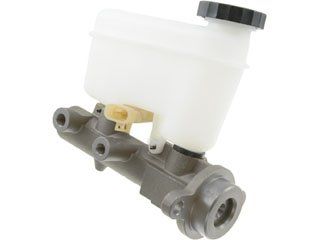
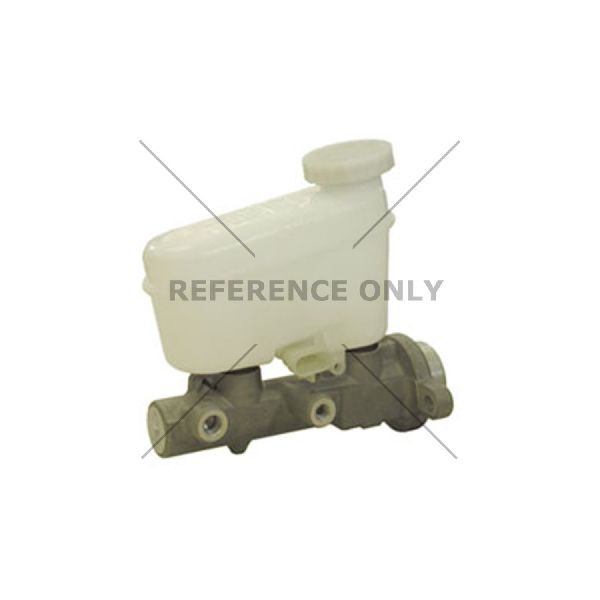
The 1986-1994 Cadillac DeVille uses a dual-circuit master cylinder with a cast iron body and a plastic reservoir. Bore size can vary, with 32mm being a common size for models without anti-lock brakes. Always verify the correct part for your specific year and brake system (ABS or non-ABS).
We Have This Part in Stock

The information in this article is provided for general reference and educational purposes only. Vehicle specifications, procedures, and part compatibility can vary by production date, trim level, and region. Always consult your vehicle's factory service manual and verify part numbers before purchasing or performing repairs. Safety-critical components such as airbags, seat belts, and braking systems should be installed by a qualified professional.
- Cadillac DeVille: