

Your Complete Guide to the 1986-1994 Dodge B150 Engine Oil Pressure Switch
If your Dodge B150's oil pressure gauge is acting erratically, this guide will help you understand and solve the problem.
- An erratic gauge without engine noise almost always means the sensor is bad, not your engine.
- A visible oil leak from the switch itself is a definite sign that it needs replacement.
- You will need a special 1 1/16" oil pressure switch socket to change the part due to its shape and tight location.
- If the gauge drops AND you hear engine knocking or ticking, stop driving immediately to prevent catastrophic damage.
Is Your B150's Oil Gauge Lying to You?
For owners of the 1986-1994 Dodge B150, a fluctuating oil pressure gauge is a common complaint. More often than not, the problem isn't a dangerous loss of oil pressure, but a failure of the oil pressure switch itself. These sensors are known to fail over time, leading to confusing readings that can cause unnecessary worry. Understanding the symptoms of a bad switch versus actual low oil pressure is key to keeping your van on the road.
Common Symptoms of a Failing Switch
Before assuming the worst, check for these classic signs of a faulty oil pressure sending unit. A failing switch is far more common than a failing oil pump on these engines.
- Erratic Gauge Readings: The needle on your oil pressure gauge may swing wildly, drop to zero at idle, and then jump back to normal when you accelerate.
- Gauge Reads Zero or Max: The gauge might get stuck on its lowest reading or be pegged at its highest, regardless of engine speed.
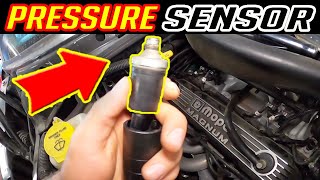
- Visible Oil Leak: A very common failure is for the switch to leak oil. Look for oil residue on the switch itself or dripping from its location at the top rear of the engine. 🎬 Watch this walkthrough for replacing the sending unit on a Dodge. The oil can even leak through the electrical connector.
- Oil Light On: If your van has an oil warning light, it may flicker or stay on.
Choosing the Right Aftermarket Part
For a vehicle of this age, a quality aftermarket oil pressure switch is a perfectly reliable and budget-friendly choice. OEM parts can be difficult to find and are often unnecessary for a simple sensor like this. Here’s a breakdown of available brand tiers:
- Premium Aftermarket (Standard Ignition, Rostra Powertrain): Brands like Standard Ignition (SMP) and Rostra are well-respected in the industry, often manufacturing parts to meet or exceed original specifications. They use robust materials and extensive testing to ensure reliability. Choosing a part from this tier is a solid investment for peace of mind.
- Standard/Economy (Global Parts): This tier represents the most budget-friendly options. While they can get your van back on the road, the long-term durability and accuracy may not match that of premium brands. Information on the 'Global Parts' brand for new components is limited, so it's best viewed as an economy choice.
Cost of Replacing the Oil Pressure Switch
| Part Type | Estimated Cost |
|---|---|
| New Aftermarket Switch | $10.54 - $51.15 |
| Shop Labor | $75 - $150 |
| Total (DIY) | $10.54 - $51.15 |
| Total (Installed) | $85 - $201 |
Frequently Asked Questions
Where is the oil pressure switch located on my B150?
For the common V8 (5.2L/318, 5.9L/360) and V6 (3.9L) engines, the oil pressure switch is located at the top of the engine block, toward the rear, just next to the distributor. It can be difficult to see and reach without removing the engine cover (doghouse) inside the van.
Can I replace the switch myself?
Yes, this is a DIY-feasible job if you are comfortable working in tight spaces. The main challenge is access. You MUST have the correct oil pressure switch socket to perform the job. Without it, you will not be able to remove the old sensor.
🎬 Check out this beginner-friendly guide for replacing the oil switch.How do I know if it's the switch or my engine?
The surest way is to temporarily install a mechanical oil pressure gauge where the switch goes. If the mechanical gauge shows steady, normal pressure while your dashboard gauge is acting up, you know the switch is the problem. However, if you have no engine noise and the gauge is simply erratic, the switch is the most likely culprit by far.
Are there any recalls for this part?
No. Searches of the NHTSA database and other technical resources show no specific recalls or widespread Technical Service Bulletins (TSBs) for the engine oil pressure switch on the 1986-1994 Dodge B150.
Helpful Videos

Technical Specifications
The oil pressure switch is located at the top rear of the engine block, adjacent to the distributor on V6 and V8 models. Replacement requires a special deep socket, typically size 1 1/16 inch, to fit over the sensor body.
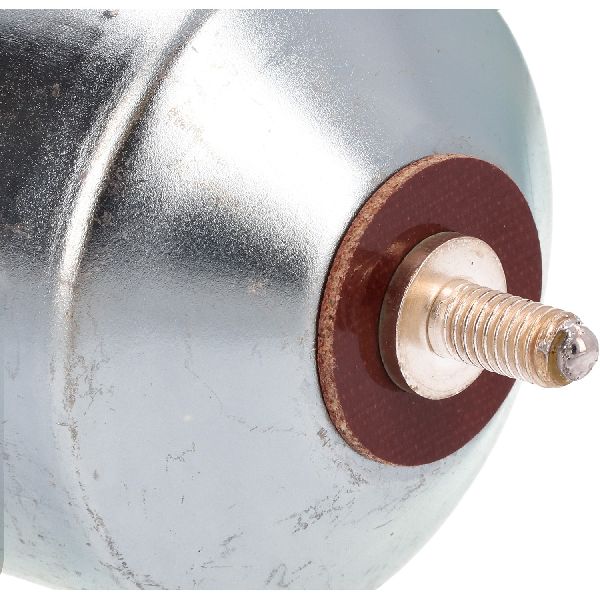
We Have This Part in Stock


The information in this article is provided for general reference and educational purposes only. Vehicle specifications, procedures, and part compatibility can vary by production date, trim level, and region. Always consult your vehicle's factory service manual and verify part numbers before purchasing or performing repairs. Safety-critical components such as airbags, seat belts, and braking systems should be installed by a qualified professional.
- Dodge B150: