

A Guide to the 1986-1994 Ford Taurus A/C Clutch Cycle Switch
If your first-generation Taurus A/C isn't blowing cold, a small, easy-to-replace switch might be the problem.
- A bad A/C clutch cycle switch is a common cause for no cooling or intermittent A/C on a 1986-1994 Taurus.
- Symptoms often mimic low refrigerant, so checking system pressure first is a good diagnostic step.
- Replacement is very easy and DIY-friendly; the system does not need to be evacuated as the switch mounts on a Schrader valve.
- Aftermarket brands like Four Seasons and Global Parts are affordable and suitable choices for this simple part.
Is Your Taurus A/C Acting Up? It Could Be the Clutch Cycle Switch
For owners of a first-generation (1986-1994) Ford Taurus, keeping the factory A/C running can be a challenge. If your air conditioning is blowing warm air, or if the compressor seems to turn on and off too frequently or not at all, the A/C clutch cycle switch is a common and affordable part to investigate. This component plays a key role in how the whole system operates.
Symptoms of a Failing A/C Clutch Cycle Switch
A bad clutch cycle switch can cause several noticeable issues. Because it controls when the compressor runs, a failure can mimic other A/C problems like low refrigerant or a bad compressor. Look for these specific signs:
- A/C Blows Warm or Hot Air: If the switch fails completely, it won't send the signal to turn the compressor on. Without the compressor circulating refrigerant, you'll only get warm air from the vents.
- Intermittent Cooling: A failing switch might work sporadically. Your A/C may blow cold for a few minutes and then switch to warm, cycling back and forth unpredictably.
- Compressor Clutch Doesn't Engage: When you turn on the A/C, you should hear a 'click' from the engine bay as the compressor clutch engages. If you don't hear this click and the center part of the A/C pulley isn't spinning, the switch may be at fault.
- Compressor Cycles Too Quickly: You may hear the A/C clutch clicking on and off rapidly. This can happen if the switch is sending faulty pressure readings.
Check the Basics First
Many of these symptoms can also be caused by low refrigerant. The first-generation Taurus A/C system is known to develop leaks over time. Before replacing the switch, it's wise to have the system pressure checked by a professional to rule out a refrigerant leak.
Choosing an Aftermarket Replacement: Four Seasons vs. Global Parts
For a vehicle of this age, new OEM (Original Equipment Manufacturer) parts from Ford are likely unavailable. The aftermarket is your primary source. The two main brands you'll find are Four Seasons and Global Parts (GPD). Both are well-known suppliers of A/C components.
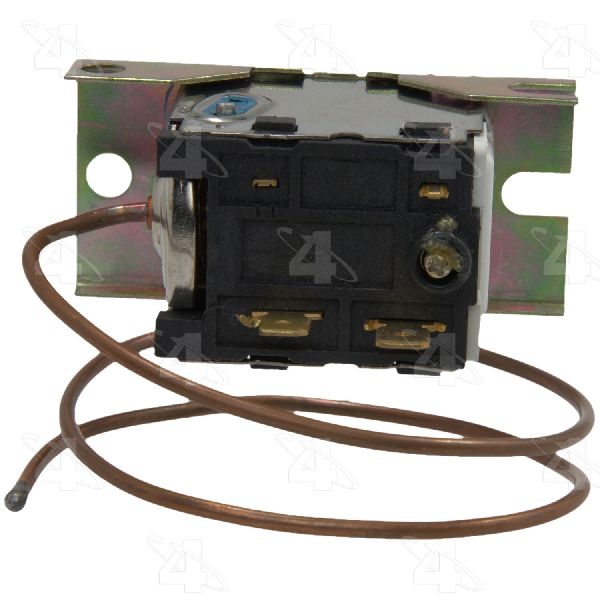
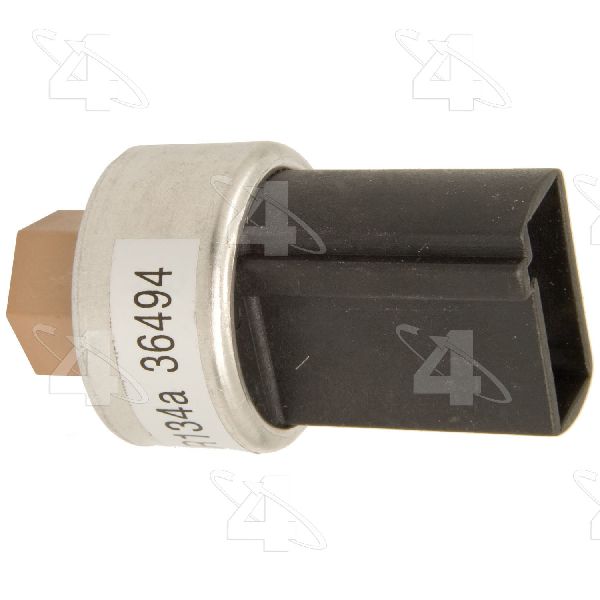
- Four Seasons: This is a very common aftermarket brand. For simple components like switches, their quality is generally considered acceptable for daily drivers. Some forum users have mixed opinions on their more complex parts like compressors, but for a switch, it is often a reliable, budget-friendly choice.
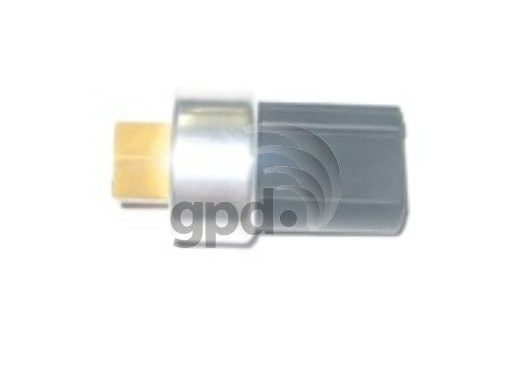
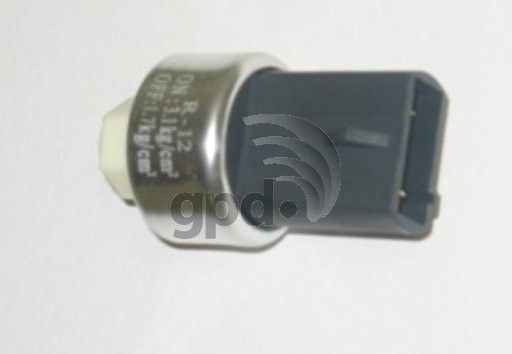
- Global Parts Distributors (GPD): Similar to Four Seasons, GPD is a major player in the aftermarket A/C world. There is less specific feedback comparing the two for this particular switch, but they are generally seen as competitors on a similar quality tier.
Pro-Tip: For a simple electrical switch like this, brand choice is less critical than for a major component like a compressor. Both Four Seasons and GPD are viable options. The most important factor is ensuring the part is listed as a direct fit for your specific model year, as thread sizes and connectors can vary.
Typical Replacement Costs
Replacing the A/C clutch cycle switch is one of the more affordable A/C repairs you can make. The part itself is inexpensive, and labor is minimal.
| Item | Estimated Cost |
|---|---|
| New Aftermarket Switch | $14.90 - $47.95 |
| Shop Labor | $50 - $100 |
| Total Professional Replacement | $65 - $150 |
Frequently Asked Questions (FAQ)
Where is the A/C clutch cycle switch located on my 1986-1994 Taurus?
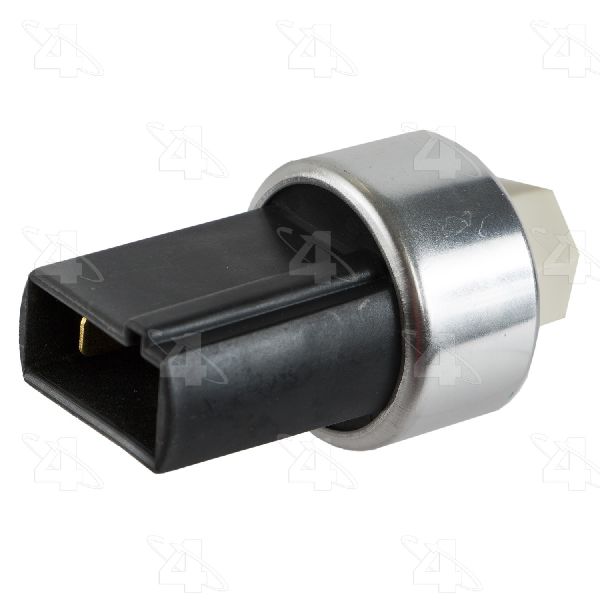
The switch is typically located on the A/C accumulator (also called the receiver/drier). This is a metal canister on the low-pressure side of the A/C system, usually found near the firewall on the passenger side of the engine bay. It has a two-wire electrical connector attached to it.
Can I replace this switch myself?
Yes, this is a very DIY-friendly repair. The switch is mounted on a Schrader valve, similar to a tire valve. This means you can unscrew the old switch and screw on the new one without losing the refrigerant in the system. You simply unplug the electrical connector, use a wrench to unscrew the old switch, and then install the new one. No special A/C equipment is needed.
Do I need to evacuate the A/C system to change the switch?
No. Because the switch sits on a Schrader valve, the system remains sealed when you remove it. This makes it a quick and easy repair that doesn't require costly A/C service machines.
Are there any recalls or TSBs for this part on my Taurus?
Searches of the NHTSA database and TSB archives did not reveal any specific recalls or technical service bulletins for the A/C clutch cycle switch on the 1986-1994 Ford Taurus. Most A/C issues on these older vehicles are related to general wear, leaks, or component failure over time.
My A/C is stuck on the defrost vents. Is that the cycle switch?
No, that is a different issue. The first-generation Taurus uses a vacuum-operated system to direct airflow to the vents, floor, or defrost. If it's stuck on defrost, it's almost always due to a broken or disconnected vacuum line under the hood.
Technical Specifications
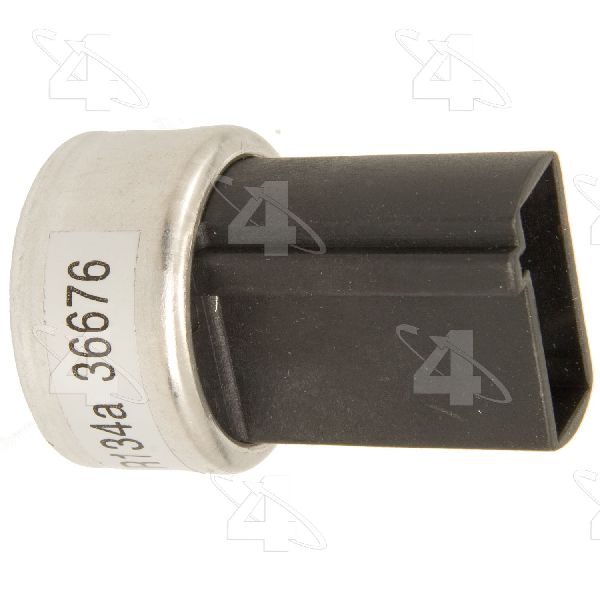
Typically a 2-pin electrical connector. Thread size and pressure ratings are specific to the model year and refrigerant type (R12 for early models, possible R134a conversion on later ones).
We Have This Part in Stock

The information in this article is provided for general reference and educational purposes only. Vehicle specifications, procedures, and part compatibility can vary by production date, trim level, and region. Always consult your vehicle's factory service manual and verify part numbers before purchasing or performing repairs. Safety-critical components such as airbags, seat belts, and braking systems should be installed by a qualified professional.
- Ford Taurus: