

Guide to Replacing the Oxygen Sensor on a 1986-1994 Hyundai Excel
Restore your Excel's fuel economy and performance by choosing the right new oxygen sensor.
- A failing oxygen sensor will cause poor fuel economy, rough running, and a failed emissions test.
- For this vehicle, stick to trusted aftermarket brands like Denso, NGK/NTK, or Bosch for reliable performance.
- The 1986-1994 Excel only has one 'upstream' oxygen sensor, making replacement simpler and less expensive than on modern cars.
- This is a simple DIY repair if you have the correct oxygen sensor socket.
Is Your Hyundai Excel Running Poorly? It Could Be the Oxygen Sensor.
If you own a 1986-1994 Hyundai Excel, you know how important it is to keep it running smoothly. One small but vital part that can cause big problems when it fails is the oxygen sensor. This sensor is essential for managing your engine's fuel consumption and emissions. When it wears out, you'll notice a drop in performance and fuel economy. Replacing it is a straightforward job that can make a significant difference in how your car drives.
Symptoms of a Failing Oxygen Sensor
A bad oxygen sensor can cause several noticeable issues. Here are the most common signs to watch for:
- Check Engine Light: This is often the first sign that the oxygen sensor has a problem. On pre-1996 vehicles like the Excel, a mechanic may need to use a specific scanner to read the trouble codes.
- Poor Fuel Economy: A faulty sensor can cause the engine's computer to miscalculate the air-fuel mixture, often making it run too rich (too much fuel). This wastes gas and costs you money.
- Rough Idle and Misfires: Your Excel might idle unevenly, vibrate, or even stall. Engine hesitation or a general lack of power during acceleration are also common.
- Rotten Egg Smell: A strong smell of sulfur from the exhaust can indicate that the sensor is bad, causing the catalytic converter to work improperly.
- Failed Emissions Test: An O2 sensor that isn't working correctly will almost certainly cause your vehicle to fail a smog check.
Vehicle-Specific Issues & Recalls
For the 1986-1994 Hyundai Excel, there are no specific recalls or Technical Service Bulletins (TSBs) directly related to the oxygen sensor itself. However, a 1989 recall for 1986 models in California addressed overall emissions systems, which included inspecting and potentially replacing related components like the exhaust manifold. Problems with other systems, like a crank angle sensor recall from 1994, could cause stalling that might be confused with a bad O2 sensor. Always diagnose the problem correctly before replacing parts.
Choosing the Right Aftermarket Oxygen Sensor
For an older vehicle like the Excel, aftermarket parts offer the same quality as original parts for a much better price. You don't need to pay a premium for an OEM (Original Equipment Manufacturer) part from the dealer. Several reputable brands make reliable oxygen sensors that will fit your vehicle perfectly.
Brand Quality Tiers
When shopping for a new sensor, it's helpful to think in terms of quality and reliability. Brands like Denso, NGK (also known as NTK), and Bosch are often considered top-tier choices.
- Premium Brands (Denso, NGK/NTK, Bosch): These companies are major suppliers of original parts for many car manufacturers, including Japanese and Korean vehicles. Denso and NGK/NTK are highly recommended for Asian imports and are known for their reliability and direct-fit design. Bosch invented the modern oxygen sensor and has a long-standing reputation for quality. 🎬 See expert recommendations for the best oxygen sensor brands.
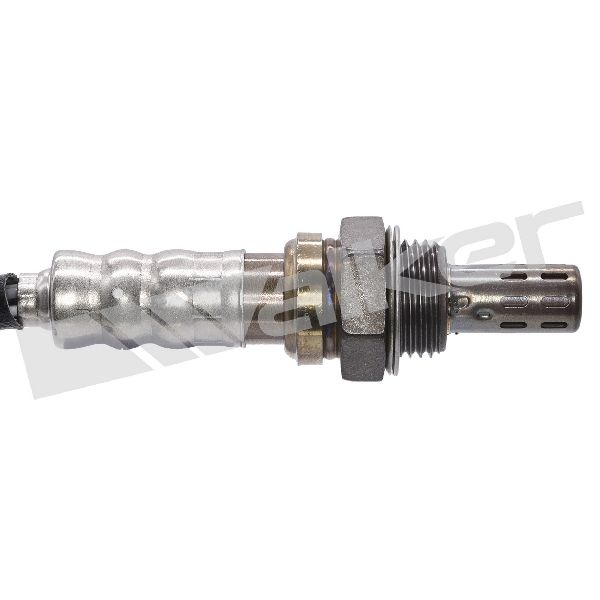
- Quality Alternatives (Walker, Spectra): Brands like Walker Products offer a great balance of quality and price. They are well-regarded by professional installers and provide consistent fit and performance.
- Budget-Friendly Options: While there are many lower-cost brands, it's often wise to stick with established names for a critical component like an oxygen sensor to avoid premature failure or performance issues.
Pro Tip: Direct-Fit vs. Universal Sensors
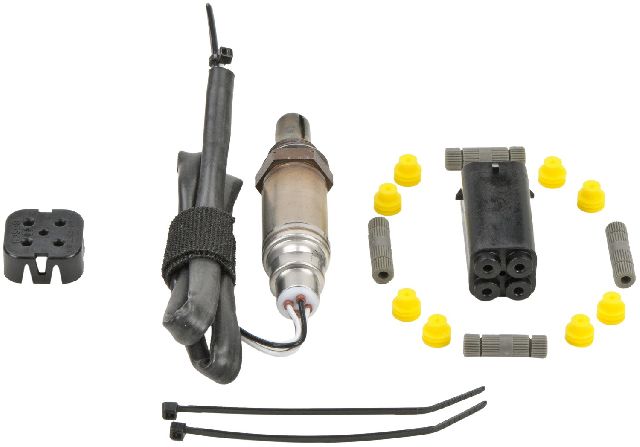
You will see both "direct-fit" and "universal" sensors available. A direct-fit sensor comes with the correct plug for your Excel's wiring harness, making installation simple. A universal sensor requires you to cut the old plug off and splice it onto the new sensor's wires. For a hassle-free replacement, a direct-fit sensor from a brand like Denso or Bosch is highly recommended.
Cost of Replacement
The cost for a new aftermarket oxygen sensor for a 1986-1994 Hyundai Excel is very reasonable. The table below gives you an idea of what to expect.
| Item | Estimated Cost |
|---|---|
| New Aftermarket Oxygen Sensor (Part) | $21.96 - $136.77 |
| Shop Labor | $110 - $161 |
| Total Professional Replacement | $132 - $298 |
Frequently Asked Questions (FAQ)
Where is the oxygen sensor located on my 1986-1994 Hyundai Excel?
The Hyundai Excel from this generation has one primary oxygen sensor, known as the upstream sensor. You will find it screwed into the exhaust manifold or the exhaust pipe very close to the engine. Look for a small, spark-plug-like device with a wire coming out of it.
🎬 Watch this guide to help locate your oxygen sensor.Can I replace the oxygen sensor myself?
Yes, this is a very DIY-friendly job. It typically requires a special oxygen sensor socket, which has a slot for the wire, and a ratchet. The most difficult part is often just loosening the old sensor, which can be stuck due to rust and heat. Letting the exhaust warm up slightly (but not get hot) can sometimes help break it loose.
🎬 Learn how to replace an upstream oxygen sensor yourself.How many oxygen sensors does my Excel have?
Vehicles from this era, especially with four-cylinder engines, typically have only one oxygen sensor located before the catalytic converter (upstream). Unlike modern cars, your 1986-1994 Excel does not have a second (downstream) sensor after the catalytic converter.
Do I need to buy an OEM sensor from Hyundai?
No. For a vehicle of this age, a quality aftermarket sensor from a reputable brand like Denso, NGK, or Bosch will perform just as well as an OEM part, but at a much lower cost.
Helpful Videos

Technical Specifications
OEM Part Numbers: 39210-24000 39210-24010 39210-24500
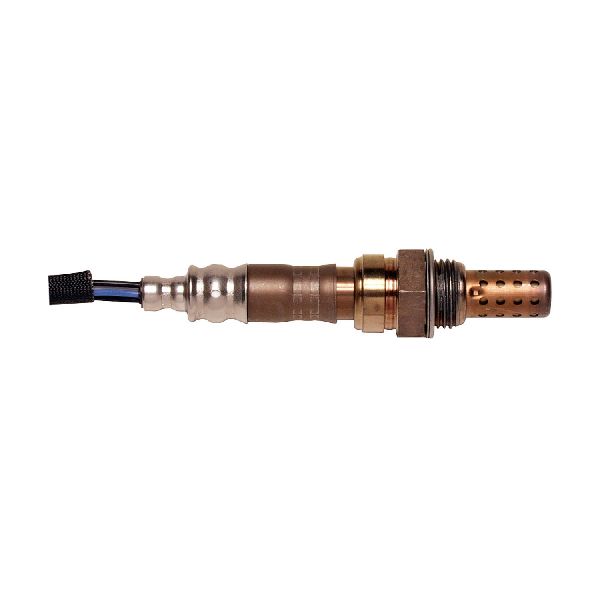
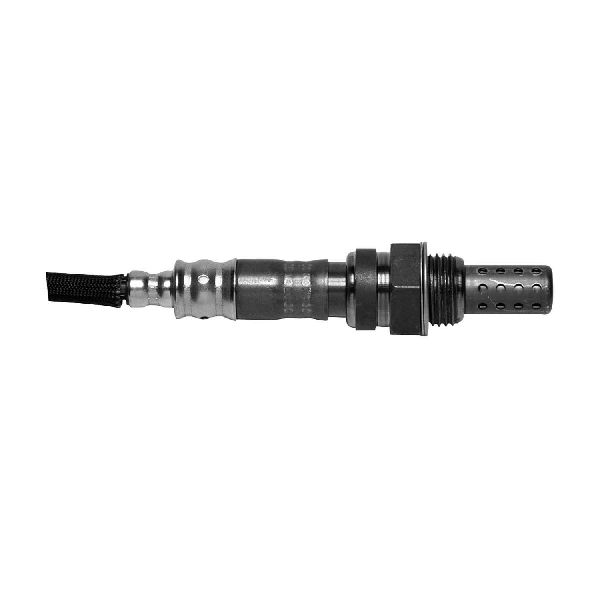
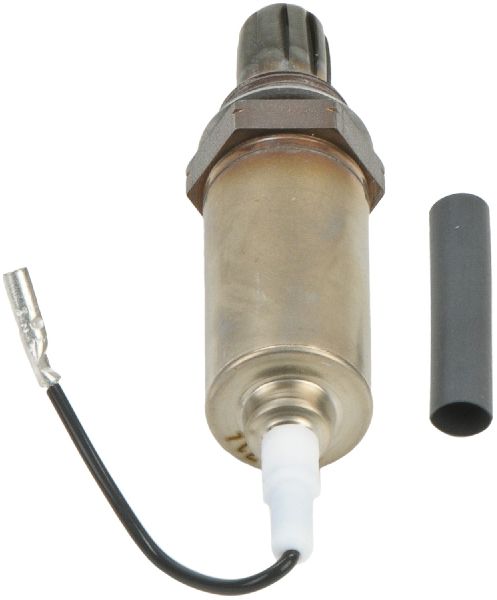
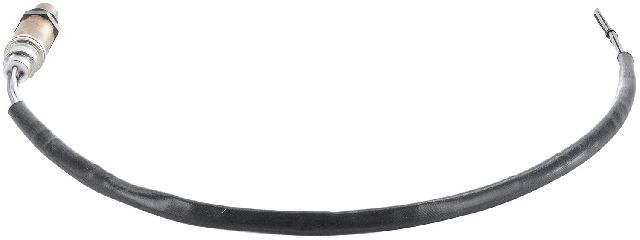
Typically a single, upstream, 1-wire or 4-wire non-heated or heated sensor, depending on the specific year and emissions equipment. Direct-fit connectors are recommended.
We Have This Part in Stock

The information in this article is provided for general reference and educational purposes only. Vehicle specifications, procedures, and part compatibility can vary by production date, trim level, and region. Always consult your vehicle's factory service manual and verify part numbers before purchasing or performing repairs. Safety-critical components such as airbags, seat belts, and braking systems should be installed by a qualified professional.
- Hyundai Excel:
- 🎬 Helpful Videos
- 🛍️ Shop This Part
- Is Your Hyundai Excel Running Poorly? It Could Be the Oxygen Sensor.
- Symptoms of a Failing Oxygen Sensor
- Vehicle-Specific Issues & Recalls
- Choosing the Right Aftermarket Oxygen Sensor
- Brand Quality Tiers
- Pro Tip: Direct-Fit vs. Universal Sensors
- Cost of Replacement
- Frequently Asked Questions (FAQ)
- 🎟️ Get 5% Off