

Accessory Drive Belt Guide for the 1986-1994 Mazda 323
Learn how to choose the right V-belts to keep your 323's alternator, water pump, and other accessories running properly.
- Your 1986-1994 323 uses two or three individual V-belts, not a single serpentine belt; verify your car's setup before buying.
- Inspect belts regularly for cracks and listen for squealing, as a snapped belt can cause overheating or leave you stranded.
- High-quality aftermarket brands like Bando, Mitsuboshi, and Continental offer excellent, often OEM-equivalent, quality.
- When replacing belts, it is a good practice to also inspect the pulleys for noise, wobble, or damage.
A Critical Distinction: V-Belts, Not a Serpentine Belt
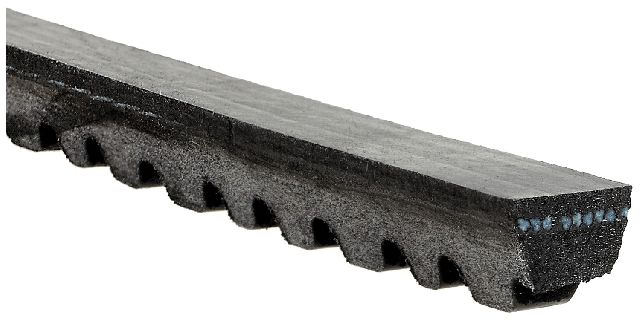
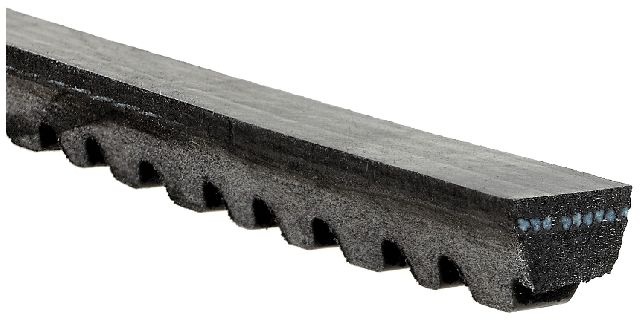
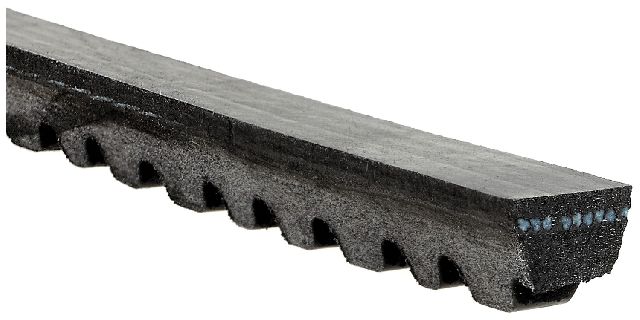
The most important thing for a 1986-1994 Mazda 323 owner to know is that your car uses a multi-belt system. You will need to identify and purchase two or three separate V-belts. The exact number and size of the belts depend on your engine and whether your car has options like air conditioning and power steering. Always visually confirm your engine's belt setup before ordering.
Symptoms of a Failing Drive Belt
A failing V-belt gives clear warning signs. Ignoring them can lead to a breakdown or engine damage from overheating.
- Squealing or Chirping Noises: This is the most common symptom. A high-pitched squeal on cold starts, during acceleration, or when turning on the A/C means a belt is slipping because it's loose or worn out.
- Visible Wear and Tear: A visual check can reveal a lot. Look for cracks, fraying, missing chunks of rubber, or a glazed, shiny surface. Any of these signs mean the belts are old and need replacement.
- Accessory Failure: If a belt breaks, the part it powers stops working instantly. This can cause a battery warning light (alternator belt), rapid engine overheating (water pump belt), or sudden loss of power steering.
Warning: Do Not Drive with a Bad Belt
A broken belt can cause your engine to overheat quickly or your battery to die, leaving you stranded. This can lead to expensive engine damage. It is not safe to continue driving with a known bad belt.
Choosing the Right Aftermarket Belts
For a vehicle like the 1986-1994 Mazda 323, aftermarket belts offer excellent quality and value. The original belts were likely made by one of the top aftermarket brands anyway. Here’s how the available brands generally rank based on owner feedback and industry reputation.
Tier 1: OEM-Equivalent Brands
These brands are often the original equipment manufacturers for Mazda and other Japanese vehicles. Choosing them is the closest you can get to buying a part from the dealer.
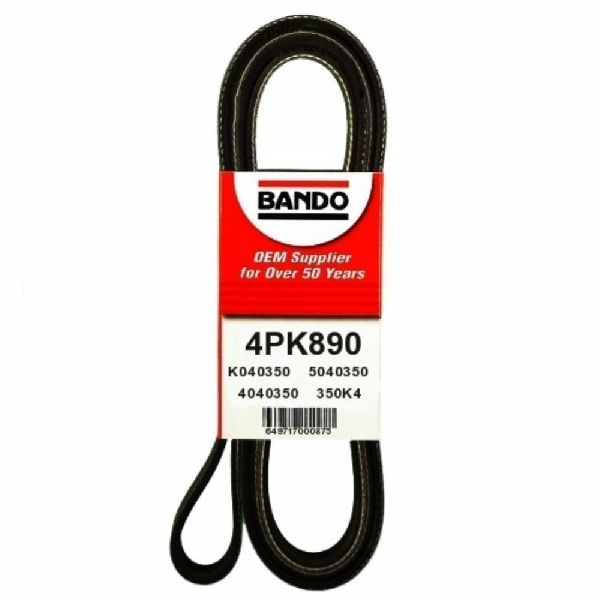
- Bando: Frequently cited as an OEM supplier for Mazda. Bando belts are known for their quality, durability, and correct fit.
- Mitsuboshi: Another top-tier Japanese manufacturer that is an OEM supplier for many Asian auto brands. They are considered a high-quality, reliable choice.
Tier 2: Premium Aftermarket Brands
These brands are well-respected leaders in the aftermarket and are known for producing high-quality parts that meet or exceed OEM specifications.
- Continental: Known for their quiet operation and durability. The former Goodyear Gatorback belt technology, now part of Continental, is often recommended to solve persistent squealing issues.
- Gates: A massive belt manufacturer with a generally strong reputation. While some users have noted inconsistent quality on newer applications, they are still considered a top choice for most vehicles.
Tier 3: Reliable Alternatives
These brands provide dependable performance and are a great option for a cost-effective repair.
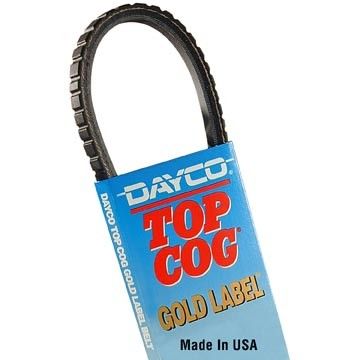
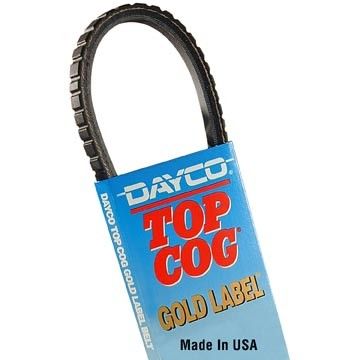
- Dayco: A long-standing brand with a reputation for making solid, reliable belts.
- ACDelco: As GM's parts division, they produce a wide range of reliable aftermarket parts, including belts that are considered OEM-quality.
Pro Tip: Inspect Pulleys and Tension
When replacing your belts, spin each pulley by hand. They should spin freely without noise or wobbling. A worn pulley can destroy a new belt quickly. Also, check the crankshaft pulley (harmonic balancer) for signs of separation or wobble, as this can cause belt noise and failure. Since your 323 has manual tensioners, ensure the new belts are tightened correctly—not too loose and not too tight.
Aftermarket Accessory Drive Belt Cost for 1986-1994 Mazda 323
| Part Type | Price Range |
|---|---|
| New Aftermarket Belts (Each) | $7.35 - $42.35 |
| New OEM Belts (Each) | $13.00 - $30.00 |
| Shop Labor to Replace All Belts | $100 - $150 |
Frequently Asked Questions
How many accessory belts does my 1986-1994 Mazda 323 have?
Your Mazda 323 will have two or three separate V-belts. The exact number depends on whether you have accessories like power steering and air conditioning. You must visually check your engine to confirm the correct number of belts before ordering.
How often should I replace the drive belts?
There is no strict replacement interval for these vehicles. The best practice is to inspect the belts for cracks, fraying, or glazing at every oil change. As a preventative measure, consider replacing them every 4 to 5 years or 50,000 miles, regardless of their appearance.
What happens if a drive belt breaks while driving?
If a belt breaks, you will immediately lose the function of the component it powers. If it's the alternator belt, your car will run on battery power for only a short time before dying. If it's the water pump belt, your engine will overheat very quickly, which can cause severe damage. It is not safe to continue driving.
Is a squealing belt always a bad belt?
Not always, but it's a sign that something is wrong. The squeal is caused by the belt slipping. This could be due to the belt being worn and glazed, incorrect tension, or fluid contamination (oil or coolant). It can also be caused by a misaligned or failing pulley.
Technical Specifications
OEM Part Numbers: B6S718381B
System Type: Multiple V-Belts (2 or 3 depending on options). Not a single serpentine belt.
We Have This Part in Stock

The information in this article is provided for general reference and educational purposes only. Vehicle specifications, procedures, and part compatibility can vary by production date, trim level, and region. Always consult your vehicle's factory service manual and verify part numbers before purchasing or performing repairs. Safety-critical components such as airbags, seat belts, and braking systems should be installed by a qualified professional.
- Mazda 323:
- 🛍️ Shop This Part
- A Critical Distinction: V-Belts, Not a Serpentine Belt
- Symptoms of a Failing Drive Belt
- Warning: Do Not Drive with a Bad Belt
- Choosing the Right Aftermarket Belts
- Tier 1: OEM-Equivalent Brands
- Tier 2: Premium Aftermarket Brands
- Tier 3: Reliable Alternatives
- Pro Tip: Inspect Pulleys and Tension
- Aftermarket Accessory Drive Belt Cost for 1986-1994 Mazda 323
- Frequently Asked Questions
- 🎟️ Get 5% Off