

Guide to Replacing the Horn on a 1986-1994 Mazda 323
If your Mazda 323's horn has gone silent or sounds weak, this guide will help you diagnose the problem and choose the right replacement part.
- Horn failure is common and usually easy to diagnose; start by checking the fuse and listening for a relay click.
- The horn is located behind the front grille, typically below the passenger headlight, making it a simple part to access and replace.
- Aftermarket brands like Standard Ignition offer high-quality, reliable replacements, while budget brands provide a functional, low-cost alternative.
- Driving without a working horn is a safety risk, so this repair should not be delayed.
Is Your Mazda 323 Horn Not Working?
A non-functioning horn is a common issue on older vehicles like the 1986-1994 Mazda 323. Due to its location at the front of the car, the horn is exposed to weather and road debris, which can cause it to fail over time. The problem could be the horn unit itself, but it's also frequently caused by a simple electrical issue like a blown fuse, a bad relay, or a corroded wire.
Safety First
Driving without a functional horn can be a safety risk and may be illegal in your area. It's a primary tool for alerting others in emergency situations. It's best to diagnose and fix the issue as soon as possible.
Diagnosing the Problem
Before buying a new horn, a few simple checks can help you find the root cause:
🎬 Watch: 6 common electrical causes for a horn failure- Check the Fuse: This is the easiest and most common fix. Locate the fuse box (your owner's manual can help) and inspect the horn fuse. If the metal strip inside is broken, replace it with a new fuse of the same amperage.
- Listen for the Relay Click: Have a friend press the horn button while you listen for a 'click' sound from the fuse box area. If you hear a click, the relay and horn button are likely working, and the problem is probably the horn unit or its wiring. If there's no click, the issue could be the horn relay or the switch in the steering wheel.
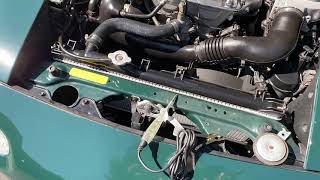
- Inspect the Horn and Wiring: The horn on a Mazda 323 is typically located behind the front grille, below the headlight on the passenger side. Check for any loose or corroded wires connected to the horn. Cleaning the connections might solve the problem.
Choosing the Right Aftermarket Horn
For a vehicle like the 1986-1994 Mazda 323, new OEM (Original Equipment Manufacturer) horns are likely no longer available. Aftermarket parts are your best bet for a new replacement. They are designed to fit and function like the original and are often more affordable.
Brand Options: Quality and Value
Two common brands you'll find are Replacement and Standard Ignition.
- Replacement Brand: This is a budget-friendly option. It's a direct-fit part designed to get the job done without the higher cost of a premium brand. For a basic function like a horn, this brand offers good value.
- Standard Ignition (SMP): Standard Motor Products is a well-respected aftermarket manufacturer known for producing high-quality components that often meet or exceed original specifications. Their horns are built with robust materials for durability and are a reliable choice if you're looking for longevity.
High and Low Tones
Many vehicles, including some Mazda 323 models, use a pair of horns: one with a high tone and one with a low tone. Together, they create a fuller, more noticeable sound. When replacing your horn, check if you have one or two. If you're replacing just one, match the tone (high or low) for the correct sound. If you're replacing both, you can often buy them as a set.
Aftermarket Horn Cost for 1986-1994 Mazda 323
| Part Type | Estimated Cost |
|---|---|
| New Aftermarket Horn (Replacement, Standard Ignition) | $36.29 - $77.37 |
| Shop Labor for Installation | $50 - $100 |
Cost estimates are based on industry data and may vary by location and supplier.
Frequently Asked Questions (FAQ)
Where is the horn located on a 1986-1994 Mazda 323?
The horn is usually found at the front of the vehicle, behind the grille or front bumper. On many Mazda 323s of this era, it is bolted to the front of the car below the passenger-side headlight.
My horn just sounds weak or muffled. Does it need to be replaced?
A weak-sounding horn is often a sign of a bad ground connection or the horn unit itself failing. You can try cleaning the electrical connections and the mounting point to ensure a good ground. If that doesn't work, the horn unit is likely worn out and needs replacement.
Can I replace the horn myself?
Yes, this is a very DIY-friendly job for most home mechanics. It typically involves removing a single bolt and unplugging an electrical connector. Accessing the horn may require removing the grille or a splash shield, but it does not usually require specialized tools.
I hear a click when I press the horn button, but no sound. What does that mean?
A clicking sound from the fuse box or dashboard area is a good sign. It means the horn button, fuse, and relay are working correctly and sending power. The problem is almost certainly a bad horn unit, a poor ground at the horn, or a broken wire right at the horn connector.
🎬 Watch: Troubleshooting a Mazda horn that has stopped workingWere there any recalls for the horn on the Mazda 323?
No specific recalls or Technical Service Bulletins (TSBs) were found for the horn system on the 1986-1994 Mazda 323. Horn failures are typically due to age and wear rather than a manufacturing defect.
Helpful Videos

Technical Specifications
Voltage: 12V. Tone: High, Low, or sold in pairs.
We Have This Part in Stock


The information in this article is provided for general reference and educational purposes only. Vehicle specifications, procedures, and part compatibility can vary by production date, trim level, and region. Always consult your vehicle's factory service manual and verify part numbers before purchasing or performing repairs. Safety-critical components such as airbags, seat belts, and braking systems should be installed by a qualified professional.
- Mazda 323: