

Throttle Position Sensor (TPS) Guide for 1986-1994 Nissan D21 Hardbody
Solve hesitation, rough idle, and poor acceleration issues on your Nissan D21 by understanding its throttle position sensor.
- A failing TPS on a D21 causes common issues like hesitation, rough idle, and poor power.
- This is a DIY-friendly repair; the sensor is on the throttle body and held by two screws.
- Adjustment after installation is not optional. You must use a multimeter to set the correct closed-throttle voltage.
- For this truck, a quality aftermarket brand like NGK or Standard is a reliable and cost-effective choice over hunting for a rare OEM part.
Understanding the D21 Throttle Position Sensor
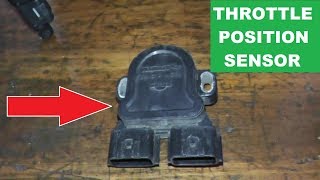
If your 1986-1994 Nissan D21 Hardbody is experiencing engine trouble like hesitation, stalling, or a rough idle, a faulty throttle position sensor (TPS) is a common culprit. This sensor is critical for telling your truck's computer how much gas to give the engine. When it starts to fail, it sends incorrect signals, leading to a variety of drivability problems. For a truck from this era, the TPS is a relatively simple but essential component for smooth operation.
Symptoms of a Failing Nissan D21 TPS
A bad TPS can make your truck difficult or frustrating to drive. Because it directly affects the air/fuel mixture and engine timing, the symptoms are often immediate and noticeable.
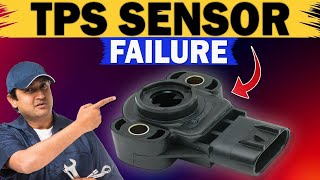
🎬 Watch: 9 common symptoms of a failing throttle position sensor- Hesitation or Stumbling: The truck may hesitate or jerk when you press the gas pedal, especially from a stop.
- Rough or Unstable Idle: The engine may idle too high or too low, or the idle speed may surge up and down.
- Poor Acceleration: The truck might feel sluggish and lack power, struggling to get up to speed.
- Engine Stalling: The engine can stall unexpectedly, particularly when you let off the gas to come to a stop.
- Check Engine Light: While less common on the earliest models, a failing TPS can trigger the Check Engine Light on later D21s.
Choosing the Right Aftermarket TPS for Your D21
For a vehicle as old as the 1986-1994 D21, genuine Nissan OEM parts can be difficult to find or prohibitively expensive. The aftermarket offers a wide range of reliable options that meet or exceed original specifications. Here’s a breakdown of available brands to help you choose.
OEM vs. Aftermarket
For this specific part on the D21, a high-quality aftermarket sensor is a smart choice. Brands like NGK/NTK and Standard Motor Products (SMP) have a strong reputation for producing reliable sensors. Economy brands can be a budget-friendly option, but may not offer the same longevity. Given the importance of this sensor and the low cost of labor to replace it, investing in a mid-tier or premium aftermarket brand is recommended.
Brand Quality Tiers
- Premium Brands (NGK, Standard Ignition): These companies are often original equipment suppliers to many automakers and have a reputation for quality and durability. They undergo rigorous testing and are designed to provide a long service life.
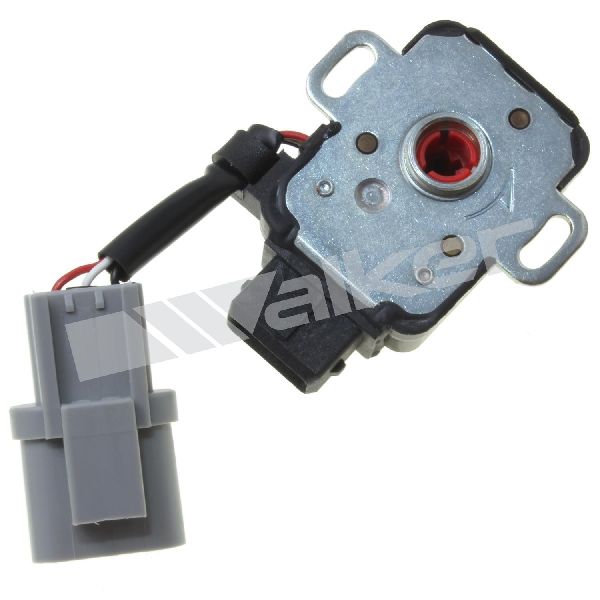
- Standard Tier (Walker Products, Facet, Motorad): These are well-established aftermarket brands that offer a good balance of quality and price. They produce a huge range of sensors and are a popular choice for daily drivers.
- Economy Tier (Global Parts, Replacement): These brands offer the most budget-friendly options. While functional, they may use less robust materials and might not have the same lifespan or precise calibration as higher-tier brands. They can be a viable option for a temporary fix or if budget is the primary concern.
Estimated Costs
| Item | Estimated Cost |
|---|---|
| New Aftermarket TPS | $27 - $192 |
| New OEM TPS (if available) | $200+ |
| Used OEM TPS (Junkyard/eBay) | $25 - $75 |
| Shop Labor for Installation | $75 - $150 |
Frequently Asked Questions
Do I need to adjust or calibrate the new TPS?
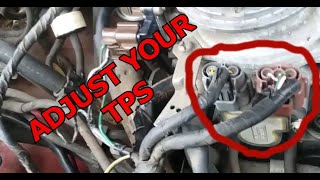
Yes, adjustment is critical for the Nissan D21. Unlike modern cars, you must manually set the position of the new TPS. This is done by loosening the mounting screws and rotating the sensor until a specific voltage (usually around 0.4V - 0.5V at closed throttle) is achieved at the signal wire, which you check with a multimeter. 🎬 Watch: How to properly adjust your Hardbody TPS voltage Failure to properly adjust the sensor can result in the same symptoms as the old, failed part.
How do I test my current D21 TPS?
You can test your TPS with a multimeter. With the key on but the engine off, you back-probe the sensor's signal wire. At idle (throttle closed), you should see a voltage of around 0.4-0.5 volts. As you slowly open the throttle by hand, the voltage should increase smoothly and steadily to around 4.0-4.5 volts at wide-open throttle. Any sudden jumps, drops, or dead spots in the voltage reading indicate a bad sensor.
Is replacing the TPS a DIY job?
Yes, for most home mechanics this is a very feasible DIY job. 🎬 See this step-by-step D21 sensor and MAF replacement walkthrough The sensor is located on the side of the throttle body, held on by two screws. The main challenges are accessing the screws, which can sometimes be in a tight spot, and performing the adjustment procedure correctly with a multimeter.
Are there any recalls for the D21 throttle position sensor?
No, a search of the National Highway Traffic Safety Administration (NHTSA) database shows no specific recalls for the throttle position sensor on the 1986-1994 Nissan D21. Any recalls found for Nissan TPS issues are for much newer models with different technology.
Helpful Videos

Technical Specifications
OEM Part Numbers: 22620-05U01
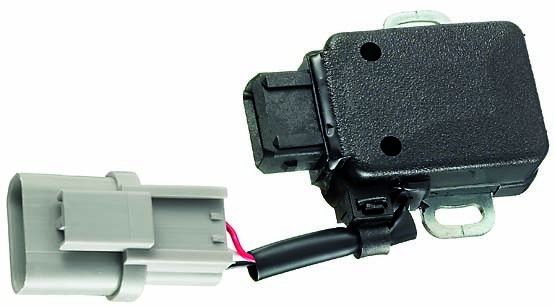
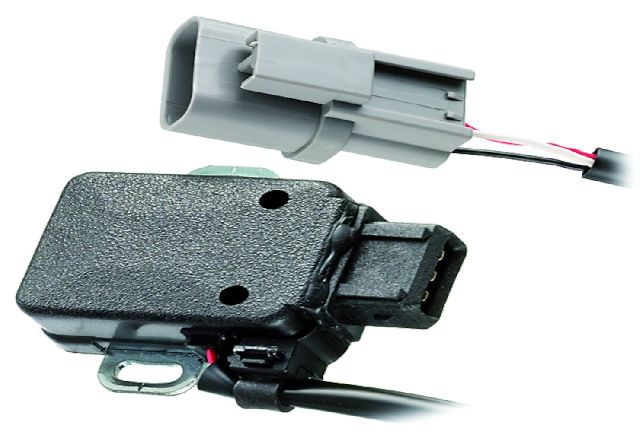
Typically a 3-pin variable resistor sensor, often combined with a 2-pin idle switch in a single housing with two connectors. Requires manual voltage adjustment upon installation.
We Have This Part in Stock


The information in this article is provided for general reference and educational purposes only. Vehicle specifications, procedures, and part compatibility can vary by production date, trim level, and region. Always consult your vehicle's factory service manual and verify part numbers before purchasing or performing repairs. Safety-critical components such as airbags, seat belts, and braking systems should be installed by a qualified professional.
- Nissan D21: