

Acura Integra Oxygen Sensor Guide for 1986-1995 Models
Everything you need to know about choosing the right oxygen sensor for your first, second, or third-generation Integra.
- Your 1986-1995 Integra has only one oxygen sensor.
- Choose a direct-fit sensor from Denso or NGK/NTK for best results; avoid Bosch brand sensors for this car.
- A bad sensor will cause a Check Engine Light (Code 1), poor gas mileage, and rough running.
- Replacement is a simple DIY job with the correct O2 sensor socket.
Understanding Your Integra's Oxygen Sensor
Your 1986-1995 Acura Integra uses a simple but effective fuel injection system. Unlike newer cars, models in this year range typically have only one primary oxygen sensor. It is located "upstream" before the catalytic converter. Its job is to tell the engine's computer if the fuel mixture is too rich (too much fuel) or too lean (not enough fuel). The computer constantly makes adjustments based on the sensor's readings, which is called being in "closed-loop" operation. When this single sensor fails, it can cause a variety of noticeable problems.
Generational Differences: Where to Find Your O2 Sensor
The location of the oxygen sensor on your Integra depends on the model year:
- 1986-1991 (Gen 1 & early Gen 2): The O2 sensor is usually found screwed directly into the cast iron exhaust manifold, visible when you open the hood.
- 1992-1995 (Later Gen 2 & early Gen 3): The sensor is located further down the exhaust system, typically on the downpipe (also called the B-pipe) just before the catalytic converter. You will need to look under the car near the oil pan to see it.
Choosing the Right Aftermarket Oxygen Sensor
When it comes to oxygen sensors for a Honda or Acura from this era, brand choice is very important. While OEM parts from the dealer are an option, high-quality aftermarket parts can offer the same performance for less money.
Aftermarket Brand Tiers for 1986-1995 Integra
| Tier | Brands | Notes |
|---|---|---|
| Top Tier / OEM-Equivalent | Denso, NGK (also sold as NTK) | Denso and NGK/NTK are widely considered the original equipment manufacturers for Honda/Acura. These are the most recommended brands in owner forums and provide proven, reliable performance. Choose these for peace of mind. |
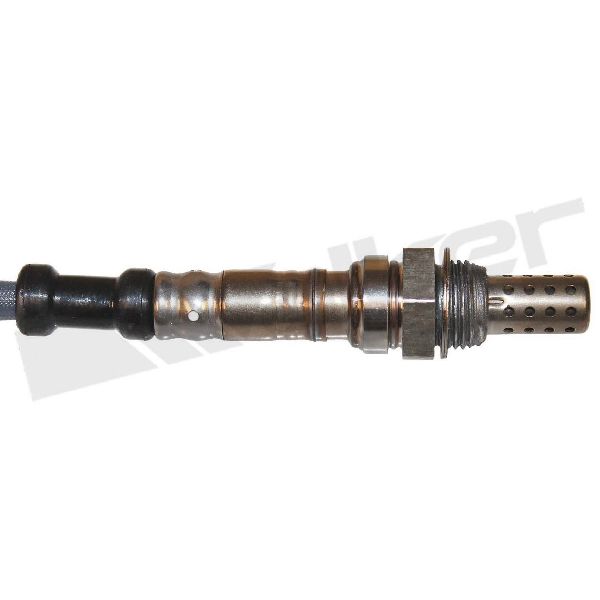
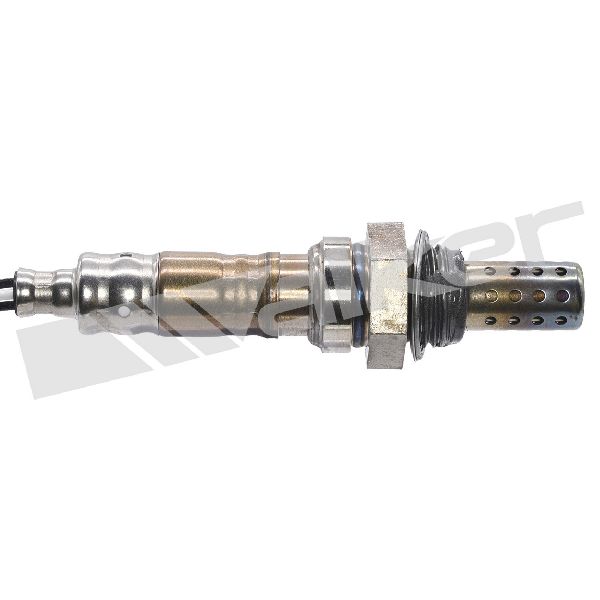
| Mid-Grade | Delphi, Walker Products, Spectra | These brands are established names in the aftermarket and can be a good value. They generally work well, but the strong community preference is for Denso or NGK. |
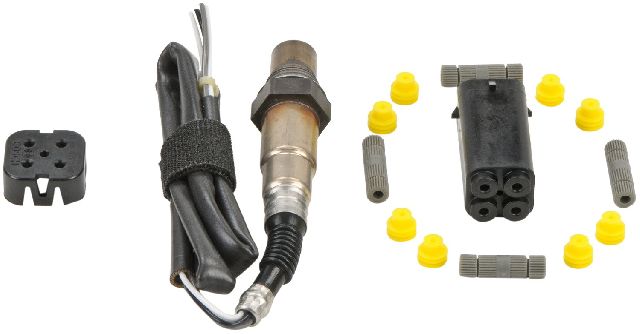
| Brands to Avoid | Bosch | There is a strong consensus in the Honda/Acura community that Bosch oxygen sensors do not work well with these vehicles, often causing performance issues or failing prematurely. It is highly recommended to avoid this brand for your Integra. |
| Budget / Economy | DriveWire | These are typically the most affordable options. While tempting, their long-term reliability can be questionable compared to top-tier brands. They may be a short-term fix but are not recommended for long-term reliability. |
Pro Tip: Direct-Fit vs. Universal
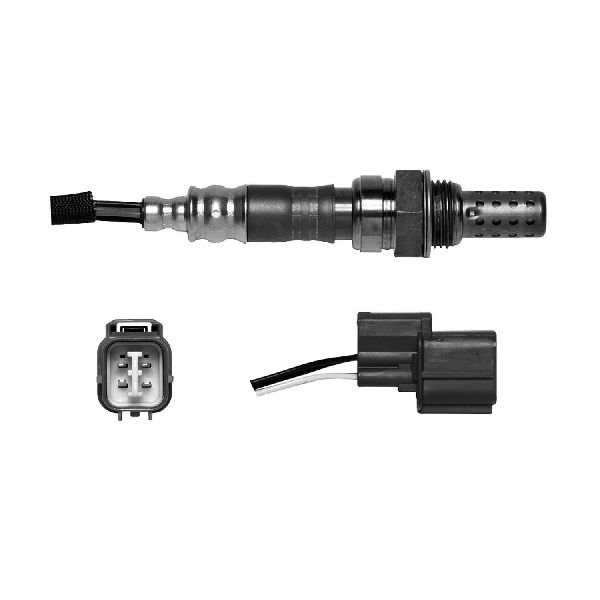
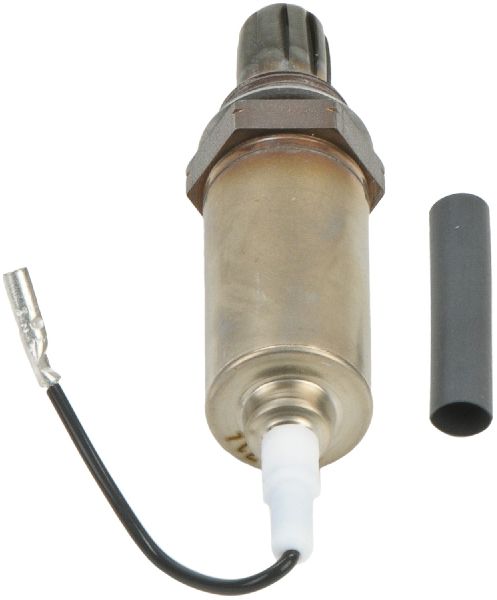
Always choose a "direct-fit" sensor. These come with the correct-length wire and factory-style connector for a simple plug-and-play installation. "Universal" sensors are cheaper but require you to cut your old connector off and splice it onto the new sensor's wires. This can lead to a bad connection and cause the new sensor to fail or provide incorrect readings.
Frequently Asked Questions (FAQ)
How do I check for O2 sensor codes on my 1986-1995 Integra?
Your Integra is pre-OBDII, so you can't use a standard code scanner. You must retrieve codes manually. Locate the two-pin Service Check Connector, usually under the passenger-side dashboard inside a green rubber holder. With the ignition OFF, use a paperclip or a small piece of wire to jump the two pins in the connector. Then, turn the ignition to the ON position 🎬 Watch: How to use the paperclip method to read codes. (do not start the engine). The Check Engine Light on your dash will flash. A single, long flash (Code 1) indicates a problem with the primary oxygen sensor.
How many oxygen sensors does my 1986-1995 Integra have?
Unlike modern cars, Integras from this period have only one oxygen sensor. The second (downstream) sensor was added in 1996 with the switch to the OBDII system.
Can I clean my old oxygen sensor?
No. While some people may suggest it, cleaning an O2 sensor is not a reliable fix. The sensing element is delicate, and contamination from oil or coolant often causes internal failure that cannot be cleaned. Given the affordable cost of a new, high-quality aftermarket sensor, replacement is always the best option.
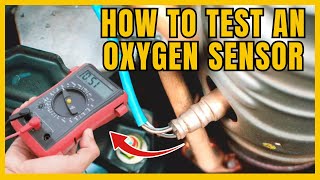
🎬 Learn how to test an O2 sensor with a multimeter.What tools do I need to replace the sensor?
You will need a special oxygen sensor socket. This is a 22mm (or 7/8") socket with a slot cut down the side to allow the sensor's wire to pass through. You will also need a ratchet, possibly with an extension. 🎬 See this walkthrough for replacing the sensor on your Integra. Applying penetrating oil to the old sensor's threads before trying to remove it is highly recommended, as they are often seized in the exhaust pipe.
Are there any recalls for the oxygen sensor on my Integra?
No, there are no active or past recalls or Technical Service Bulletins (TSBs) from Acura or the NHTSA specifically for oxygen sensor failure on the 1986-1995 Integra. This is a standard maintenance part that wears out over time.
Helpful Videos



Technical Specifications
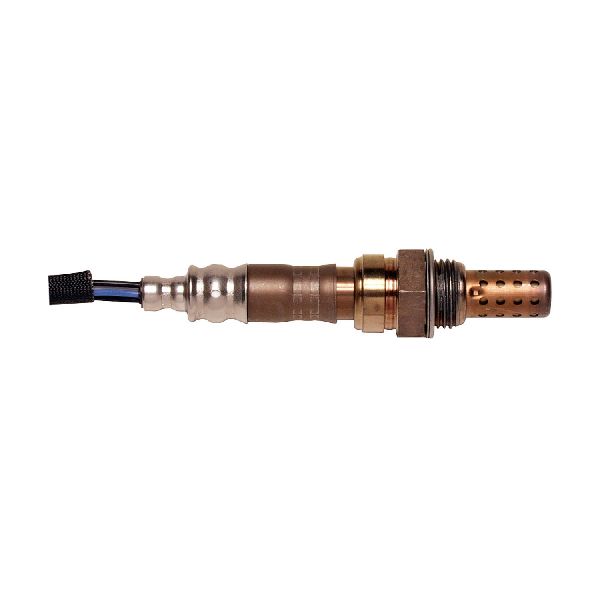
OEM Part Numbers: 36531-PG7-A01 36531-PM5-A01 36531-PM8-A01 36531-PM8-A03 36531-P1K-E11
Location: Upstream (Pre-Catalytic Converter). Quantity Required: 1. Connector Type: Varies by year (1-wire or 4-wire). Thread Size: M18-1.5. Hex Size: 22mm (7/8").
We Have This Part in Stock

The information in this article is provided for general reference and educational purposes only. Vehicle specifications, procedures, and part compatibility can vary by production date, trim level, and region. Always consult your vehicle's factory service manual and verify part numbers before purchasing or performing repairs. Safety-critical components such as airbags, seat belts, and braking systems should be installed by a qualified professional.
- Acura Integra: