

Ford Taurus Radiator Coolant Hose Guide: 1986-1995
Everything you need to know before replacing the radiator hoses on your first or second-generation Taurus.
- Radiator hoses fail from age, causing leaks and overheating. Check for cracks, bulges, and soft spots.
- The 1986-95 Taurus is prone to cooling system corrosion; a full system flush is highly recommended when changing hoses.
- Both Gates and Dayco are good aftermarket brands; focus on matching the shape of the new hose to the old one.
- Always replace hoses in pairs (upper and lower) and use new clamps for a secure seal.
Signs of a Failing Radiator Hose
Radiator hoses wear out from the inside out. They endure constant heat, pressure, and chemical exposure. Before a hose fails completely, it will usually give you some warning signs. Ignoring them can lead to overheating and leave you stranded.
- Visible Cracks or Bulges: Inspect your hoses. If you see cracks, splits, or swollen spots, the hose is weak and needs to be replaced immediately.
- Spongy or Hard Spots: Squeeze the hoses when the engine is cool. A healthy hose should feel firm but flexible. If it feels rock-hard, brittle, or mushy, it's time for a replacement.
- Coolant Leaks: Puddles of green or yellow fluid under the front of your car are a sure sign of a leak. Check the connections where the hoses meet the radiator, thermostat housing, and water pump. Sometimes the clamps just need tightening, but often the hose end has degraded.
- Engine Overheating: If your temperature gauge suddenly climbs into the red, a collapsed or leaking radiator hose could be the cause. A failing hose can't circulate coolant effectively.
- Low Coolant Level: If you constantly have to add coolant to the reservoir, you have a leak somewhere in the system. The radiator hoses are a primary suspect.
Known Issue: Cooling System Corrosion
The 1986-1995 Taurus, especially with the V6 engines, is known for cooling system corrosion. This can turn the coolant into a brown, sludgy mess that clogs passages in the radiator and heater core. When you replace your hoses, it is the perfect time to completely flush the entire cooling system to remove this damaging sediment.
Choosing the Right Aftermarket Hose
For a vehicle of this age, finding original Ford (OEM) hoses is nearly impossible. The good news is that aftermarket brands offer quality replacements. The two most common brands you will find are Dayco and Gates.
Both Dayco and Gates are reputable manufacturers that produce reliable hoses. Forum discussions among mechanics and owners show there isn't a clear 'winner' between the two; both are considered good quality. Some users report Dayco hoses feeling slightly thicker, while others prefer the fit and finish of Gates.
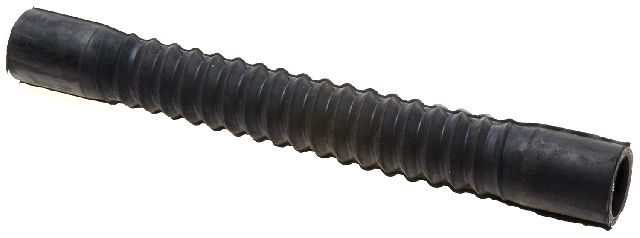
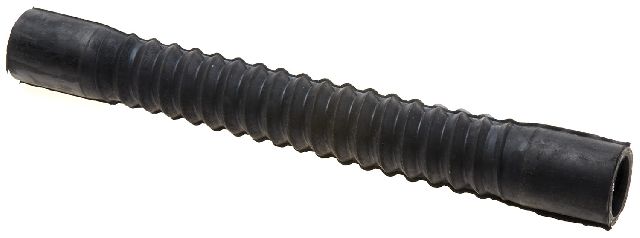
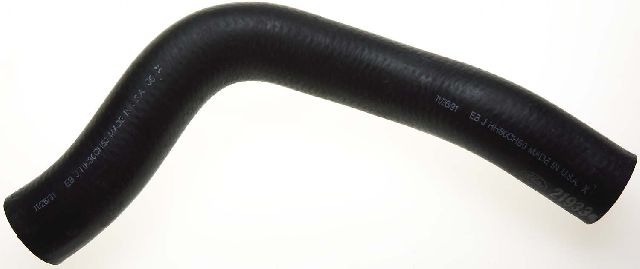
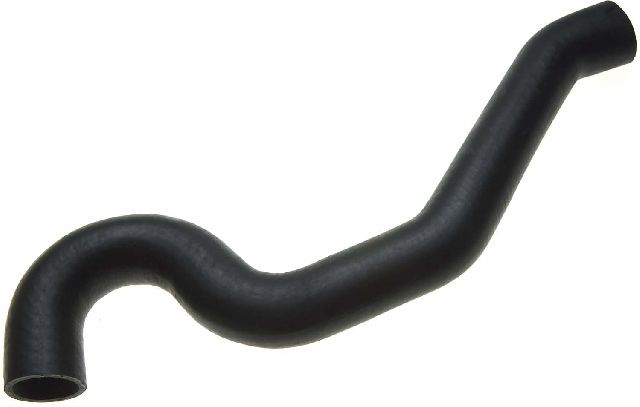
Pro Tip: The most important factor with any aftermarket hose is fitment. Before installing a new hose, compare it directly with the old one you just removed. Make sure the bends and angles match up perfectly. An improperly shaped hose can kink, rub against other parts, or fail prematurely.
Cost of Replacing a Radiator Hose on a 1986-1995 Taurus
Replacing radiator hoses is one of the more affordable maintenance jobs. The parts are inexpensive, and if you do it yourself, you only pay for the hoses and new coolant.
| Part or Service | Estimated Cost |
|---|---|
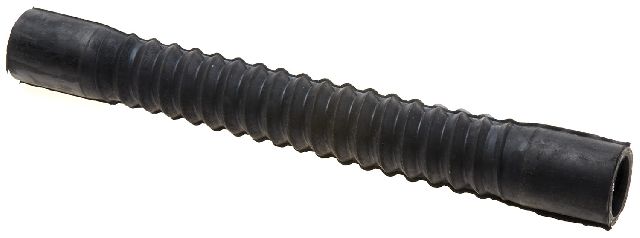
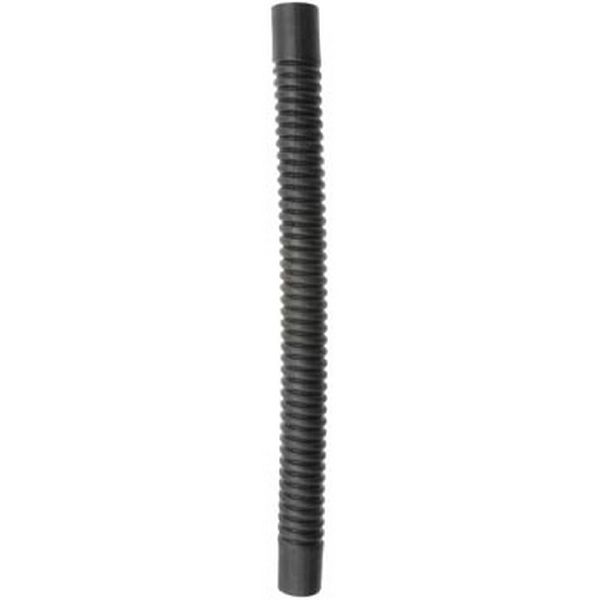
| New Aftermarket Radiator Hose (Single) | $14.45 - $36.26 |
| Shop Labor | $110 - $180 |
| Total Professional Replacement | $140 - $250 (including parts & coolant) |
Frequently Asked Questions
Should I replace both hoses at the same time?
Yes. Radiator hoses are exposed to the same conditions and age at the same rate. If one has failed, the other is likely not far behind. Replacing them in pairs is cheap insurance against a future breakdown.
Do I need special tools to replace a radiator hose?
While not strictly necessary, a set of hose clamp pliers makes removing the original spring-style clamps much easier. Otherwise, standard hand tools like pliers and a screwdriver are all you need.
What kind of coolant should I use in my 1986-1995 Taurus?
For this era of Ford, a conventional 'green' ethylene glycol-based coolant is the correct type. After flushing the old fluid, refill with a 50/50 mixture of coolant and distilled water.
Were there any recalls for the radiator hoses on these cars?
No. Searches of the National Highway Traffic Safety Administration (NHTSA) database show no recalls specifically for radiator hoses on the 1986-1995 Ford Taurus.
Why is my new aftermarket hose missing an internal spring?
Some original lower radiator hoses had an internal spring to prevent them from collapsing under the water pump's suction. Many modern aftermarket hoses are made with a more rigid construction that doesn't require this spring. However, if your old hose had one, and the new one feels very flexible, some mechanics will transfer the old spring into the new hose.
Technical Specifications
Hose material is typically EPDM rubber. Hoses are pre-molded to fit specific engine configurations (2.5L I4, 3.0L V6, 3.8L V6, 3.0L/3.2L SHO V6). Always verify the correct part for your specific engine.
We Have This Part in Stock

The information in this article is provided for general reference and educational purposes only. Vehicle specifications, procedures, and part compatibility can vary by production date, trim level, and region. Always consult your vehicle's factory service manual and verify part numbers before purchasing or performing repairs. Safety-critical components such as airbags, seat belts, and braking systems should be installed by a qualified professional.
- Ford Taurus: