

A Guide to Replacing Rear Brake Drums on Your 1986-1995 Mazda 323
Everything you need to know about choosing and installing new aftermarket rear brake drums for your Mazda 323.
- For the 1986-1995 Mazda 323, quality aftermarket brake drums are the best and most cost-effective option.
- Always replace brake drums and shoes in pairs to ensure safe, balanced braking.
- Symptoms like a scraping noise, pulsating pedal, or a weak parking brake indicate it's time for an inspection.
- The job is DIY-friendly for those with basic mechanical skills, but requires proper safety precautions like using jack stands.
Is it Time for New Brake Drums?
The rear brake drums on your Mazda 323 are built to last, but they do wear out. Unlike brake pads, they don't need changing as often. However, after decades of use, the inside surface can wear thin, get grooved, or become out-of-round (no longer perfectly circular). This can seriously reduce your braking power and make your parking brake less effective.
Key Symptoms of a Bad Brake Drum
- Scraping or Grinding Noise: A continuous scraping sound from the rear wheels can mean the brake shoes are worn out and are now digging into the drum itself.
- Pulsating Brake Pedal: If you feel a pulsing sensation in the brake pedal, it could mean the drum is out-of-round.
- Weak Parking Brake: If your parking brake handle pulls up much higher than it used to, or the car won't hold on a hill, your drums and shoes may be worn out.
- Vibrations from the Rear: A noticeable vibration from the back of the car during braking can point to warped or uneven drums.
OEM vs. Aftermarket Drums
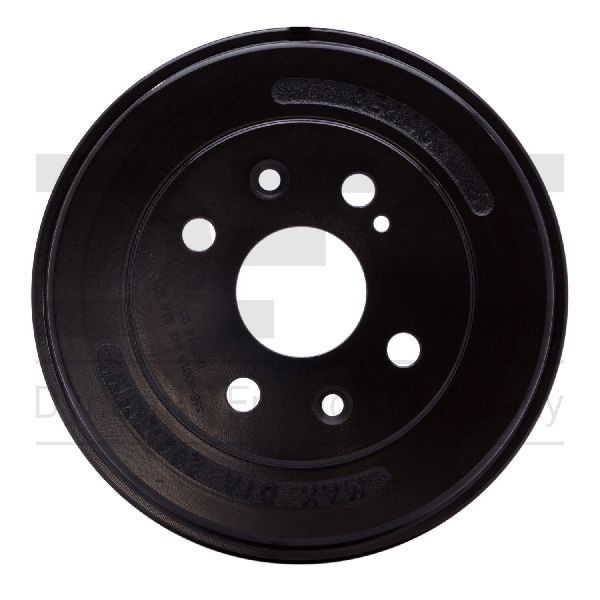
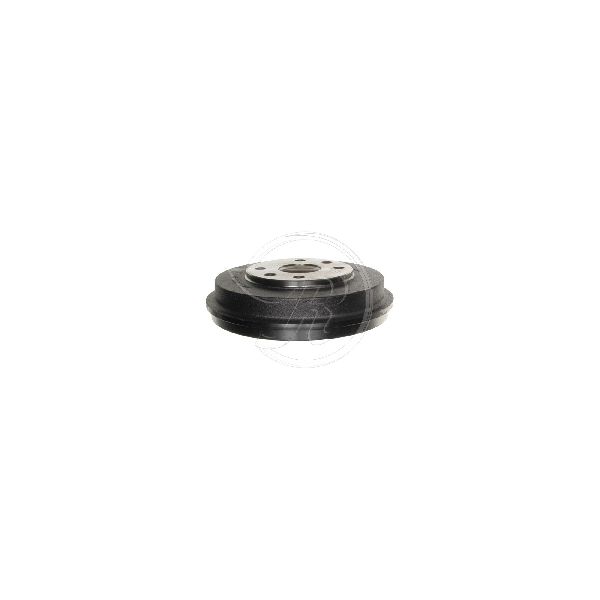
For a vehicle like the 1986-1995 Mazda 323, finding new original equipment (OEM) brake drums from Mazda is difficult and very expensive. The good news is that aftermarket parts are widely available, affordable, and meet or exceed the original quality. For this part, aftermarket is the most practical and recommended choice.
Choosing the Right Aftermarket Brand
Several reputable brands offer brake drums for your 323. They generally fall into two categories: Daily Driver and Economy. For a component like a brake drum that you replace infrequently, investing in a Daily Driver quality part is often worth the small price difference.
Daily Driver Brands: ~$50 - $85
- Bendix: A well-known brand with a reputation for good quality and reliability. A solid choice for any daily-driven vehicle.
- Centric (Premium): Centric's premium line is highly regarded in forums for its quality and proper fitment. They are known for being a great balance of price and performance.
- Raybestos (Professional Grade): A long-standing name in brakes. Their professional-grade parts are designed for everyday use and are a dependable option.
Economy Brands: ~$35 - $50
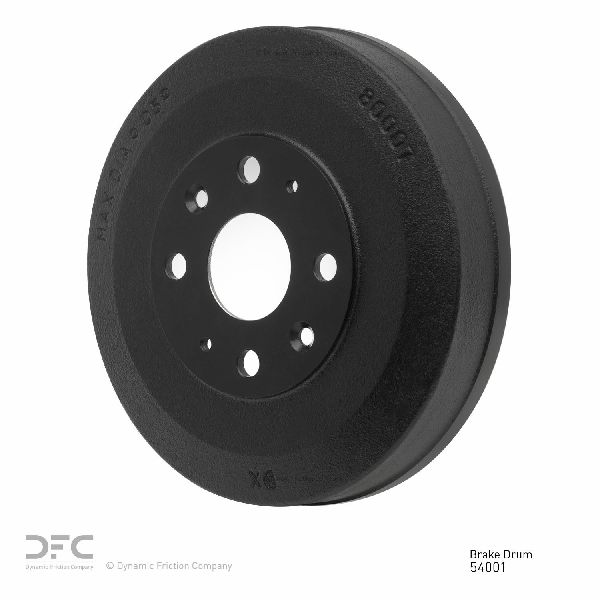
- Dynamic Friction: A budget-friendly option that will get the job done for normal driving conditions.
- Pronto: Another economy choice that offers a basic, functional replacement for a low cost.
- Centric (C-TEK) / Raybestos (Service Grade): These are the entry-level lines from major brands. They are manufactured to a price point and are best for those on a tight budget.
Pro Tip: Check Your Drum Size
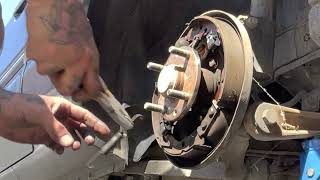
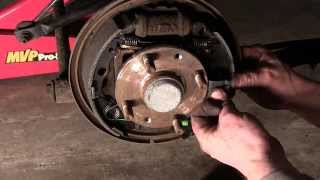
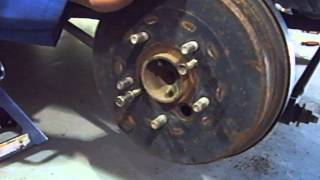
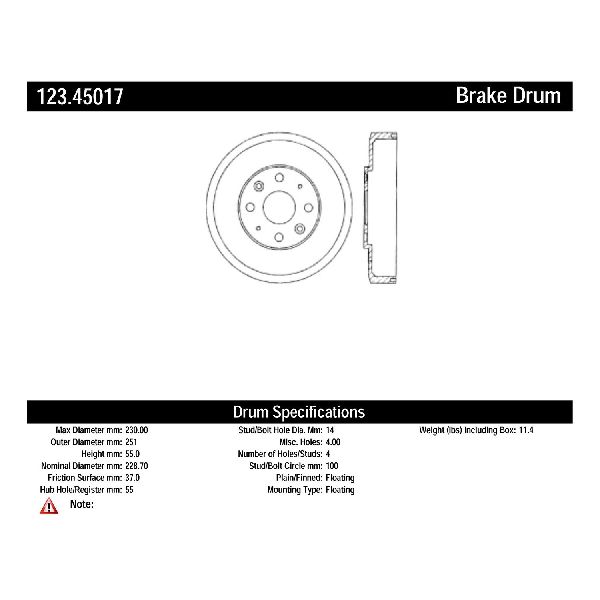
Most 1986-1995 Mazda 323 models use a rear drum with a 200mm inside diameter. Always confirm this with the parts supplier before purchasing to avoid getting the wrong part. It's also wise to replace brake shoes and the spring hardware kit 🎬 Watch this walkthrough on how to install new brake shoes. at the same time you replace the drums for a complete and lasting repair.
| Part Type | Cost (for a pair) | Notes |
|---|---|---|
| New OEM | $340 - $360 | Very difficult to find, not cost-effective. |
| New Aftermarket | $69 - $168 | Best value and availability. Price range reflects economy to premium brands. |
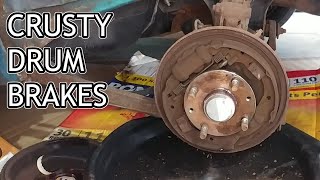
| Shop Labor | $150 - $250 | Estimated 1.0-1.5 hours of labor to replace 🎬 Watch a complete step-by-step guide to replacing rear drum brakes. both rear drums and shoes. |
Frequently Asked Questions (FAQ)
Can I replace just one brake drum?
You should always replace brake drums in pairs (both left and right). This ensures even braking performance and prevents the car from pulling to one side. The same rule applies to brake shoes.
Do I need special tools to replace my brake drums?
Standard hand tools, a jack, and jack stands are required. A specific tool called a brake spring plier can make removing and installing the shoe springs much easier, but it can be done with regular pliers and a screwdriver. A torque wrench is also highly recommended for tightening the wheel lug nuts correctly.
My old drum is stuck. How do I get it off?
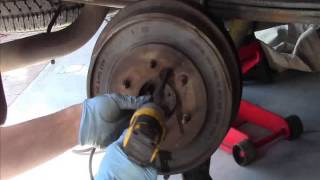
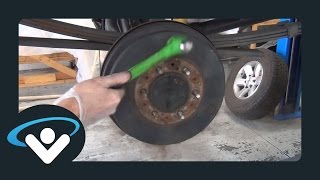
If the drum won't come off, it's likely caught on a lip of rust or the brake shoes are adjusted too tightly. First, make sure the parking brake is fully released. Look for two threaded holes on the face of the drum. You can screw 8mm bolts into these holes 🎬 See how to use bolts to pop off a stuck drum. to push the drum off the hub. Also, ensure the brake shoe adjuster is backed off.
Do new brake drums need a 'break-in' period?
Yes. After installing new drums and shoes, it's important to bed them in. A common procedure is to perform 5-6 moderate stops from about 30 mph, without coming to a complete stop. Then, drive for a few minutes to let the brakes cool. This process helps the shoes conform to the new drum surface and ensures optimal performance.
Helpful Videos
Technical Specifications
OEM Part Numbers: B092-26-390 B092-26-251
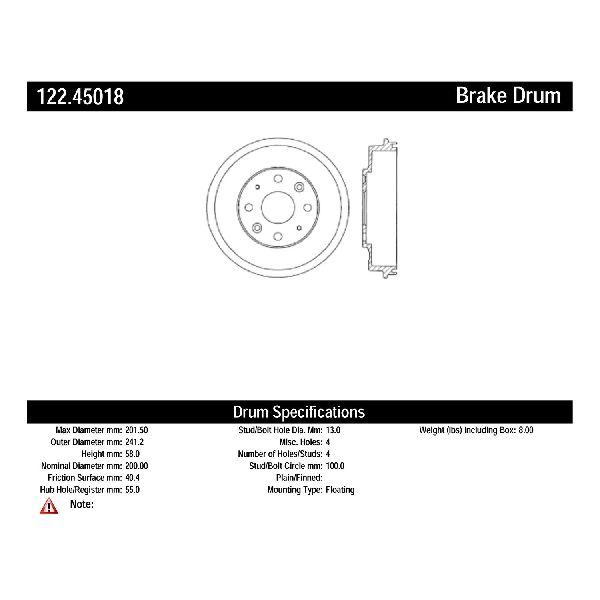
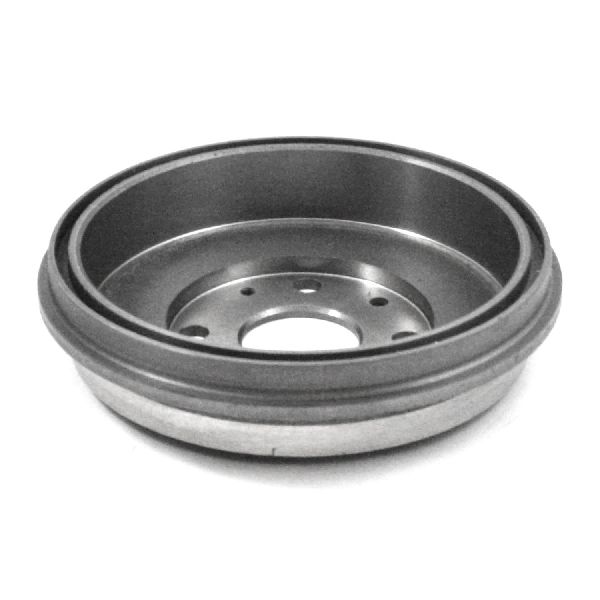
Inside Diameter: 200mm
We Have This Part in Stock

The information in this article is provided for general reference and educational purposes only. Vehicle specifications, procedures, and part compatibility can vary by production date, trim level, and region. Always consult your vehicle's factory service manual and verify part numbers before purchasing or performing repairs. Safety-critical components such as airbags, seat belts, and braking systems should be installed by a qualified professional.
- Mazda 323: