

Engine Coolant Temperature Sensor Guide for the 1986-1995 Mazda 323
Fix poor fuel economy and rough running in your Mazda 323 by understanding and replacing a faulty coolant temperature sensor.
- Verify if you need the two-wire ECU sensor for performance issues or the one-wire gauge sender for a dead temperature gauge.
- Symptoms like poor gas mileage, rough idle, and black smoke are strongly linked to a failing ECT sensor.
- Replacement is simple, inexpensive, and can be done at home in under an hour with basic tools.
- Choosing a premium aftermarket brand like NGK (NTK) offers added reliability for only a small price increase.
Is Your Mazda 323 Running Rough? It Could Be the Coolant Temp Sensor
If your 1986-1995 Mazda 323 is experiencing issues like bad gas mileage, a shaky idle, or even black exhaust smoke, a failing Engine Coolant Temperature (ECT) sensor is a likely culprit. This sensor tells the engine's computer how hot the coolant is, which affects how the engine runs. When it fails, the computer gets bad information and can't manage the engine properly. This guide will help you understand the symptoms, choose the right aftermarket replacement, and know what to expect during the repair.
Symptoms of a Failing ECT Sensor
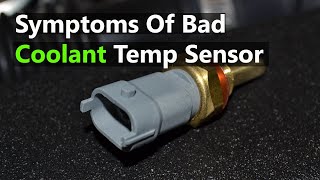
A bad coolant sensor can cause a range of problems, from annoying to serious. Here’s what to look out for:
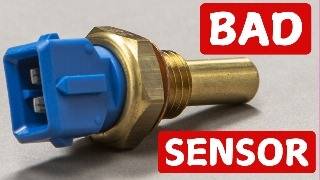
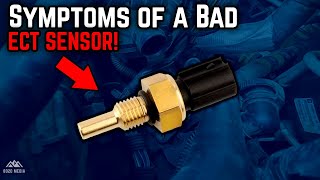
🎬 Watch: Common signs of a failing coolant temperature sensor- Poor Fuel Economy: If the sensor incorrectly tells the computer the engine is always cold, the computer will continuously send too much fuel. This is one of the most common symptoms.
- Rough Idle: An incorrect fuel mixture can make the engine shake or vibrate, especially when idling at a stop.
- Black Smoke from Exhaust: This is a sign that the engine is running very rich (too much fuel). The excess fuel doesn't burn completely and exits through the exhaust as black smoke.
- Engine Overheating or Incorrect Gauge Readings: The sensor might fail to trigger the cooling fans, causing the engine to overheat. It can also send a false overheating signal when the engine is fine.
- Hard Starting: When the computer doesn't know the correct engine temperature, it can struggle to create the right air-fuel mixture for starting the engine.
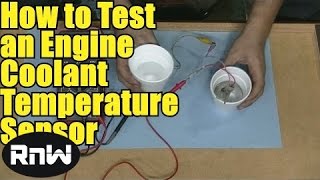
- Check Engine Light: A faulty sensor will often trigger the Check Engine Light. On these older models, you may get a flash code; for example, some 1992 models may show flash code '9' for a water thermo sensor issue. 🎬 See how to test your sensor using a basic multimeter
Important: ECU Sensor vs. Gauge Sender
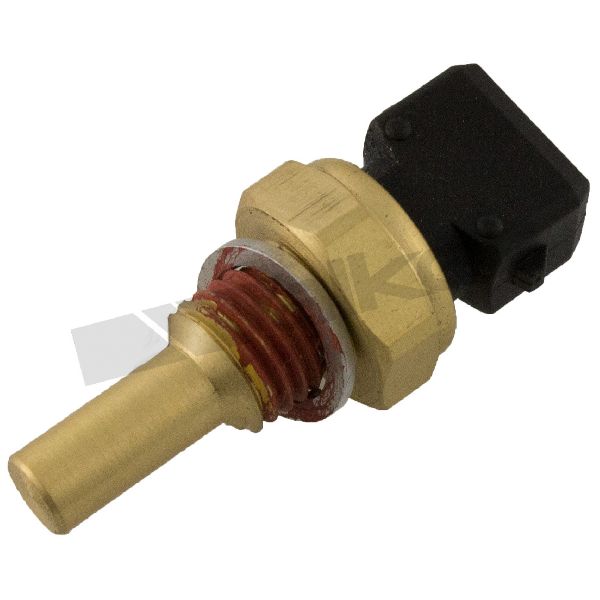
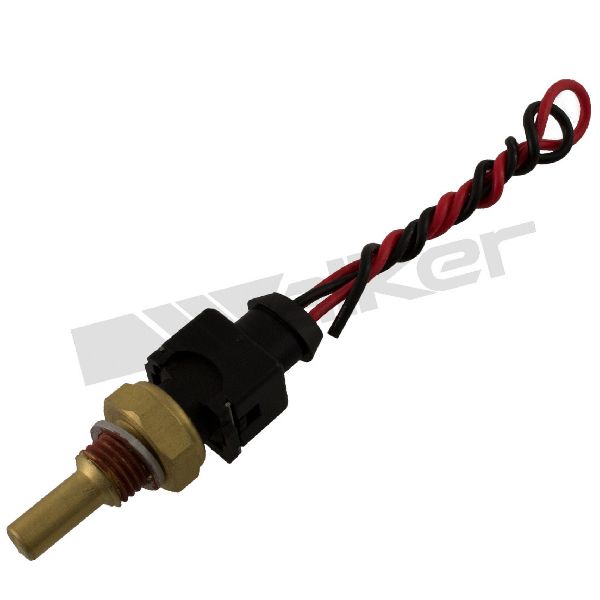
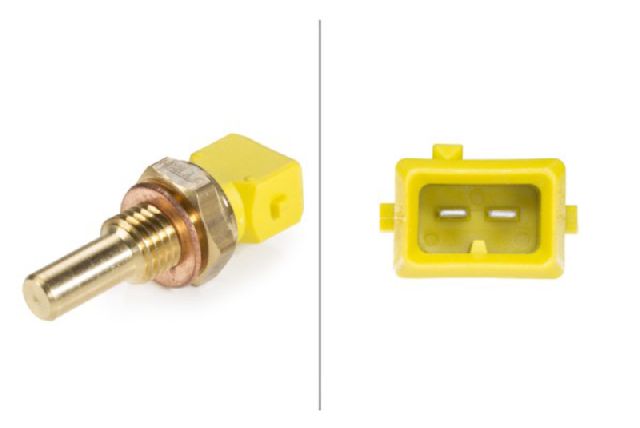
Your Mazda 323 likely has two different temperature sensors. One is a two-wire sensor that sends information to the engine computer (ECU). This is the sensor that affects engine performance. The other is a single-wire sending unit that only operates the temperature gauge on your dashboard. When ordering, make sure you are buying the correct part for the problem you're having. If your gauge is dead but the car runs fine, you need the sender. If the car runs poorly, you likely need the main ECT sensor.
Choosing the Right Aftermarket Sensor
For a vehicle like the 1986-1995 Mazda 323, aftermarket sensors offer excellent value. OEM parts are available but often not necessary for this simple component. Aftermarket brands can be grouped into tiers based on reputation and quality.
Premium Aftermarket (Highest Quality & Reliability)
- NGK (NTK): NGK, operating under their NTK brand for sensors, is a top-tier choice. They are an original equipment supplier for many automakers and are known for manufacturing parts that meet or exceed OE specifications, including using the correct probe length and materials.
Standard Aftermarket (Good Quality & Value)
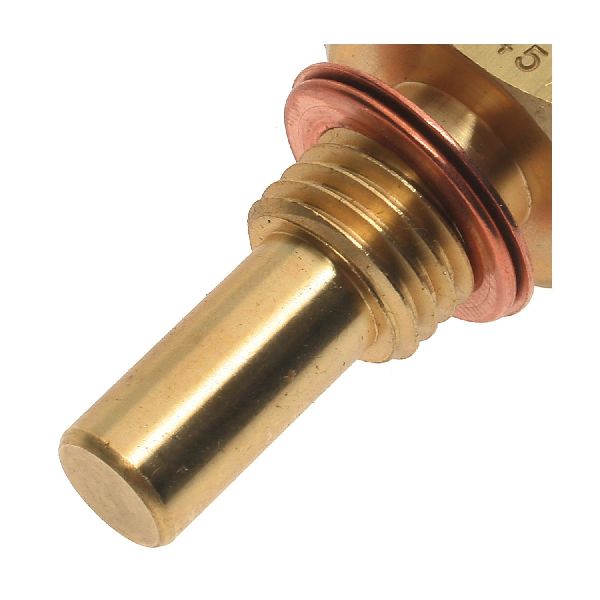
- Standard Ignition (SMP): A well-known brand, but quality can sometimes be inconsistent. They may offer a re-boxed OEM part or a part of their own manufacturing.
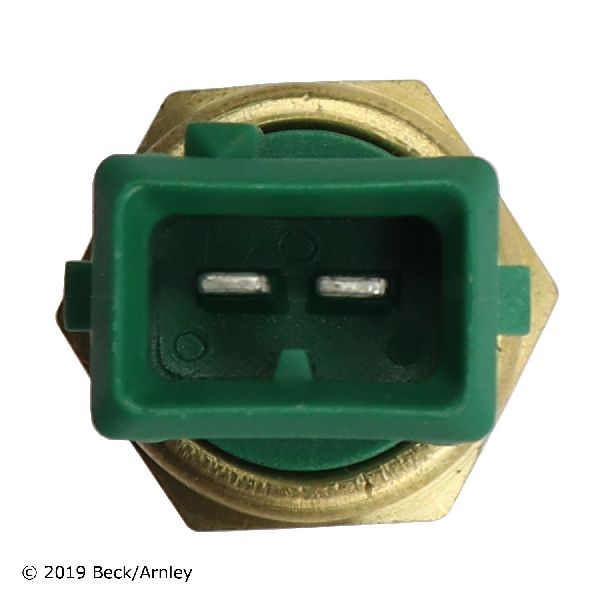
- Beck Arnley: This brand focuses on matching the original part for foreign nameplates. While they have a reputation for providing OE-quality parts, some forum users have noted a decline in consistency in recent years, with some parts being lower-quality Chinese-made components instead of reboxed OEM parts.
- Hella / Walker Products: These are generally considered reliable mid-grade brands that offer a balance of quality and price.
Economy Aftermarket (Budget-Friendly)
- URO Parts: URO is known as a budget-friendly brand, often for European cars. While the price is low, be cautious. Some owners of other vehicle makes have reported fitment issues with URO parts, leading to leaks or other problems.
- Facet / True Tech: These brands fall into the economy category, offering a low-cost alternative. They can be a good choice if budget is the primary concern, but may not have the same longevity as premium brands.
Pro Tip: Given the low cost of even premium aftermarket sensors, spending a few extra dollars on a brand like NGK (NTK) is a wise investment for reliability and peace of mind.
Cost of Replacing the ECT Sensor
| Part Type | Estimated Cost |
|---|---|
| New OEM | $47 - $58 |
| New Aftermarket | $10 - $40 |
| Shop Labor | $50 - $100 |
| Total Estimated Cost (Aftermarket Part + Shop Labor) | $60 - $140 |
Frequently Asked Questions (FAQ)
Where is the ECT sensor located on the 1986-1995 Mazda 323?
The main ECT sensor (for the computer) is typically located near the thermostat housing, often screwed into the engine block or cylinder head. On some 323 models, it is found on the cylinder head to the left of the thermostat housing. It will have an electrical connector, usually with two wires. The single-wire sender for the temperature gauge is often in a separate location.
Can I replace the Mazda 323 ECT sensor myself?
Yes, this is a very DIY-friendly job for most home mechanics. The process involves letting the engine cool completely, disconnecting the sensor's electrical plug, placing a drain pan to catch a small amount of coolant, and unscrewing the old sensor. You then screw in the new sensor, reconnect the plug, and top off any lost coolant. The entire job usually takes less than an hour.
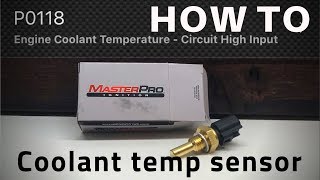
🎬 Watch this step-by-step guide to replacing the sensor yourselfWhat happens if I don't replace a bad ECT sensor?
Ignoring a bad ECT sensor will lead to consistently poor engine performance, terrible fuel mileage, and increased emissions. In a worst-case scenario, it could fail to activate the cooling fans, leading to engine overheating and potentially severe engine damage like a cracked cylinder head. Because the part is inexpensive, it's best to replace it as soon as you confirm it's faulty.
Are there any recalls for the Mazda 323 coolant sensor?
No, there are no known recalls or widespread Technical Service Bulletins (TSBs) from Mazda or the NHTSA for the engine coolant temperature sensor on the 1986-1995 Mazda 323. Any failure is due to the age and normal wear of the component.
Helpful Videos
Technical Specifications
OEM Part Numbers: 8574-18-840 857418840
Varies by year and specific sensor (ECU vs. Gauge). The ECU sensor is typically a 2-pin connector, while the gauge sender is a 1-pin connector.
We Have This Part in Stock


The information in this article is provided for general reference and educational purposes only. Vehicle specifications, procedures, and part compatibility can vary by production date, trim level, and region. Always consult your vehicle's factory service manual and verify part numbers before purchasing or performing repairs. Safety-critical components such as airbags, seat belts, and braking systems should be installed by a qualified professional.
- Mazda 323: