

Oxygen Sensor Guide for the 1986-1995 Mazda 323
Everything you need to know about diagnosing and replacing the oxygen sensor on your 1986-1995 Mazda 323.
- Your 1986-1995 323 has only one, easy-to-replace oxygen sensor located on the exhaust manifold.
- Symptoms of failure include a check engine light, bad gas mileage, and a rough idle.
- For best results and longevity, choose a direct-fit sensor from an OEM-quality brand like Denso or NGK.
- Driving with a bad O2 sensor can eventually damage your more expensive catalytic converter.
Is Your Mazda 323 Oxygen Sensor Failing?
On a 1986-1995 Mazda 323, the oxygen sensor is a simple but vital component. Vehicles from this era typically have only one sensor, located in the exhaust manifold before the catalytic converter, making it an "upstream" sensor. Because it lives in a harsh environment of hot exhaust gases, it will eventually wear out. A failing sensor can't send the correct signals to your engine's computer, which can cause noticeable problems.
Top 4 Signs of a Bad Oxygen Sensor
🎬 Watch: 6 common symptoms of a failing oxygen sensor- Check Engine Light: This is the most common sign. A failing O2 sensor will trigger a fault code in the engine computer, illuminating the check engine light on your dashboard.
- Worse Fuel Economy: If you notice you're filling up your gas tank more often, a bad O2 sensor could be the cause. The engine may run "rich," meaning it's using too much fuel.
- Rough Engine Performance: A faulty sensor can lead to a rough or erratic idle, engine hesitation, misfires, or even stalling.
- Failed Emissions Test: The O2 sensor is key to controlling pollution. If it fails, your 323 will likely fail a smog or emissions test due to high levels of pollutants.
Known Issues: Ignition Switch Recall
While there are no specific recalls for the oxygen sensor on the 1986-1995 Mazda 323, a significant recall was issued for the ignition switch (NHTSA Campaign ID: 15V674000). Grease inside the switch can overheat, creating a fire risk. It is important to ensure this recall has been performed on your vehicle by a Mazda dealer.
Choosing the Right Aftermarket Oxygen Sensor
For an older vehicle like the 323, you don't need to buy a part from the dealer. However, quality matters. Forum discussions with owners of older Mazdas suggest that some budget sensors may not last long. It's best to choose a brand known for quality and compatibility with Japanese vehicles.
Brand Quality Tiers
- Top Tier (OEM Quality): Denso and NGK (also sold as NTK) are widely regarded as original equipment manufacturers for many Japanese cars. Choosing one of these brands is the safest bet for long life and proper performance. They are engineered to match the original part's specifications.
- High-Quality Aftermarket: Bosch and Delphi are reputable brands that produce high-quality sensors. They are excellent alternatives to Denso and NGK and are known for their reliability.
- Standard/Economy: Brands like Walker Products and Spectra offer more budget-friendly options. While they can work, some user experiences suggest they may have a shorter lifespan or be inconsistent in quality compared to the top-tier brands.
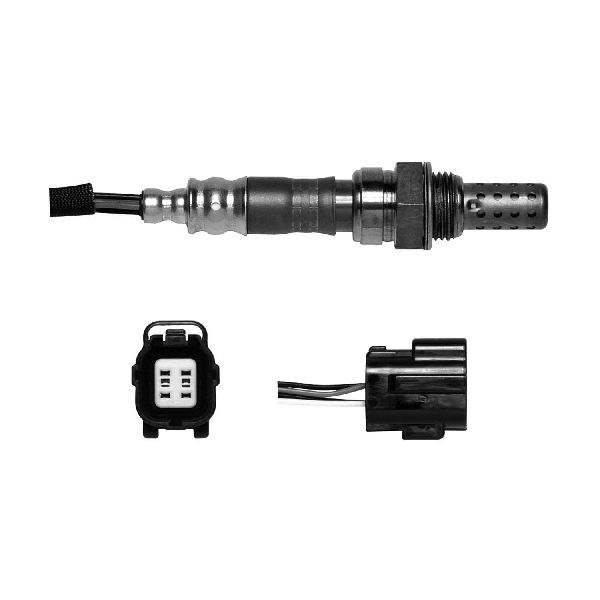
Pro Tip: Always choose a "direct-fit" sensor. These come with the correct electrical connector for your 323, so you don't have to cut or splice any wires. This makes the installation much easier and more reliable.
Typical Replacement Costs
The cost to replace the oxygen sensor on a 1986-1995 Mazda 323 is very reasonable, especially if you do it yourself. The part itself is not expensive, and the job is straightforward.
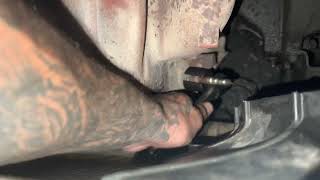
🎬 See this step-by-step 1991 Mazda 323 sensor replacement walkthrough| Part/Service | Estimated Cost |
|---|---|
| New Aftermarket Oxygen Sensor | $21 - $99 |
| Shop Labor | $50 - $120 |
| Total Estimated Cost | $71 - $219 |
Frequently Asked Questions
How many oxygen sensors does my 1986-1995 323 have?
Your Mazda 323 from this generation has only one oxygen sensor. It is an upstream sensor located in the exhaust manifold, before the catalytic converter.
Can I clean my old oxygen sensor instead of replacing it?
While some owners have tried cleaning sensors, it is not a reliable or recommended repair. Contaminants can damage the sensor's internal element. For a lasting fix, replacement is the only effective solution.
Is it hard to replace the O2 sensor myself?
No, this is a great DIY job for beginners. The sensor is usually easy to access on the front of the engine in the exhaust manifold. The main challenge can be removing the old sensor if it's rusted in place. Using a penetrating lubricant and a special O2 sensor socket (a 22mm socket with a slot for the wire) makes the job much easier.
What is the difference between a 1-wire and a 4-wire sensor?
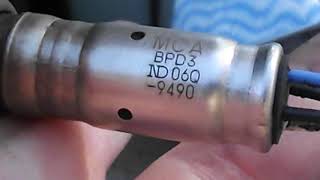
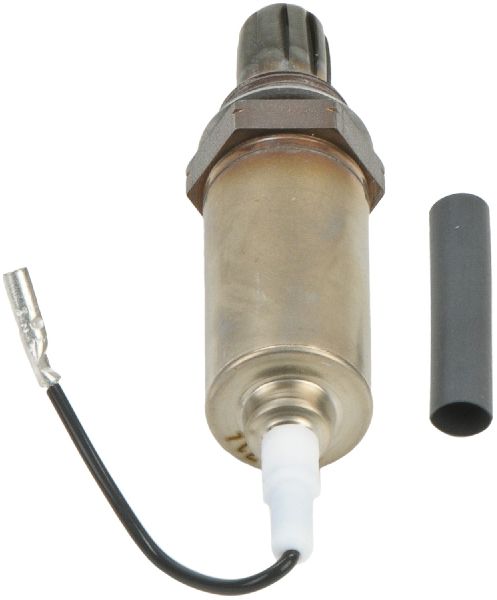
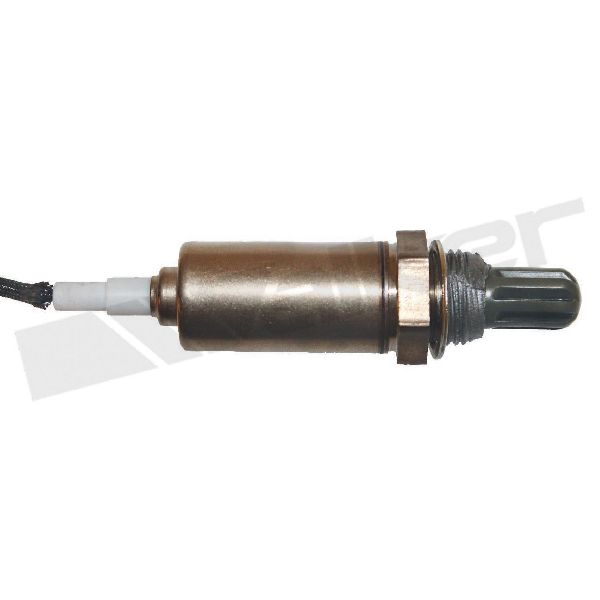
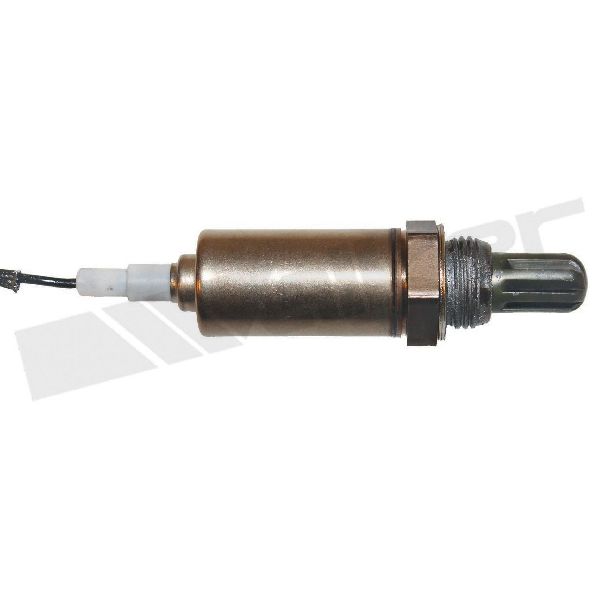
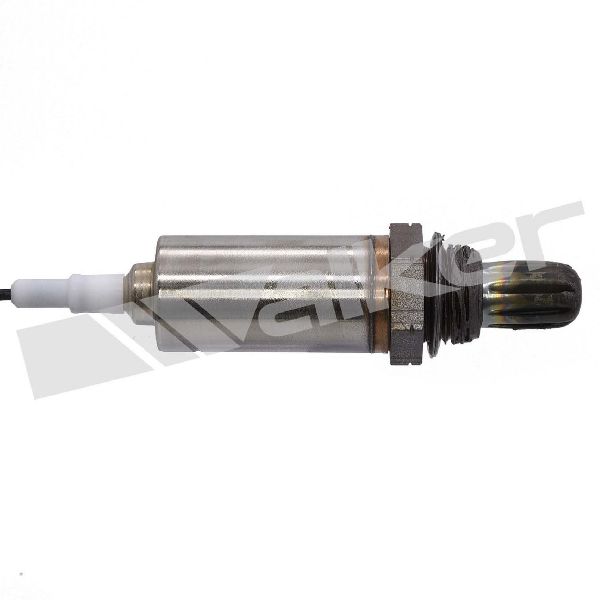
Your 1986-1995 323 likely uses a simple, non-heated 1-wire oxygen sensor. This type of sensor relies on the exhaust heat to reach its operating temperature. Newer vehicles use heated sensors (with 3 or 4 wires) that warm up faster to reduce emissions on cold starts. You must use the correct type for your vehicle.
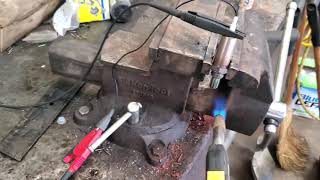
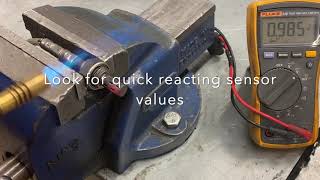
🎬 Learn how to bench test a 1-wire sensor yourselfHelpful Videos
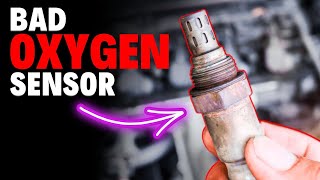
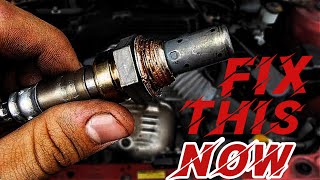
![Bad O2 Sensor Symptoms Downstream & Upstream [Oxygen Sensor Failure and Causes] How to fix & Replace](https://img.youtube.com/vi/b-xxdBlikSA/mqdefault.jpg)
Technical Specifications
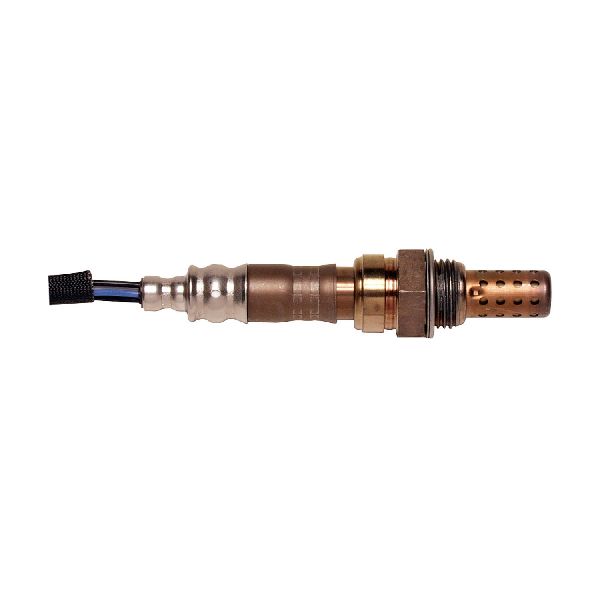
The 1986-1995 Mazda 323 typically uses a single, upstream, non-heated, 1-wire oxygen sensor. It requires a 22mm wrench or a specialized O2 sensor socket for removal.
We Have This Part in Stock

The information in this article is provided for general reference and educational purposes only. Vehicle specifications, procedures, and part compatibility can vary by production date, trim level, and region. Always consult your vehicle's factory service manual and verify part numbers before purchasing or performing repairs. Safety-critical components such as airbags, seat belts, and braking systems should be installed by a qualified professional.
- Mazda 323: