

A Guide to Choosing Aftermarket Spark Plugs for the 1986-1995 Mazda 323
Keep your classic Mazda 323 running strong by selecting the right spark plugs for its simple and reliable engine.
- NGK and Denso are the most recommended and reliable spark plug brands for the 1986-1995 Mazda 323, often matching the original factory parts.
- Replacing spark plugs is a very easy and affordable DIY maintenance task that can be completed in under an hour with basic tools.
- Always verify the spark plug gap is correct before installation, typically 0.044 inches for this vehicle.
- Expensive iridium plugs are not necessary for a stock 323; standard copper or nickel plugs from a quality brand provide excellent performance.
Signs of Failing Spark Plugs
The spark plugs in your 1986-1995 Mazda 323 are simple to inspect and replace, and they'll give you clear signs when they are wearing out. If you notice a rough idle, where the engine shakes or sounds uneven when you're stopped, it's a common symptom. Other signs include the engine hesitating or stumbling when you accelerate (misfiring), a noticeable drop in fuel economy, or the engine being difficult to start. On some later models, a severe misfire might trigger the check engine light.
Choosing the Right Aftermarket Spark Plugs
For a straightforward engine like the one in your 323, you don't need overly fancy or expensive spark plugs. The original plugs from the factory were typically NGK or Denso, and many high-quality aftermarket options meet or exceed those standards. Sticking with these brands is a safe bet for reliability and performance.
Pro Tip: Check the Gap
Even if a spark plug is listed as "pre-gapped," it's always a good idea to double-check the gap with a feeler gauge before installation. The correct gap for most 1.6L and 1.8L engines in this generation is 0.044 inches (1.1mm), but always verify with your owner's manual for your specific year and engine.
Brand Recommendations
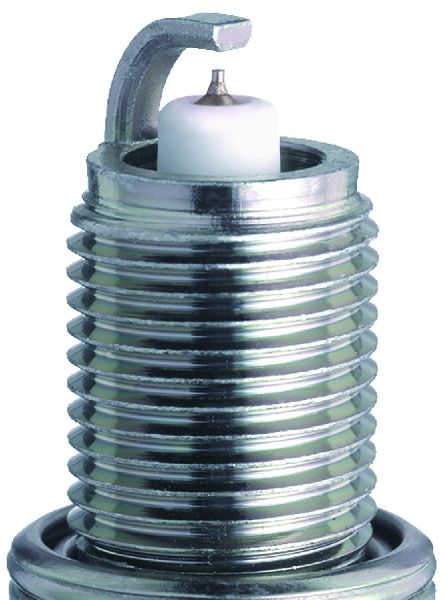
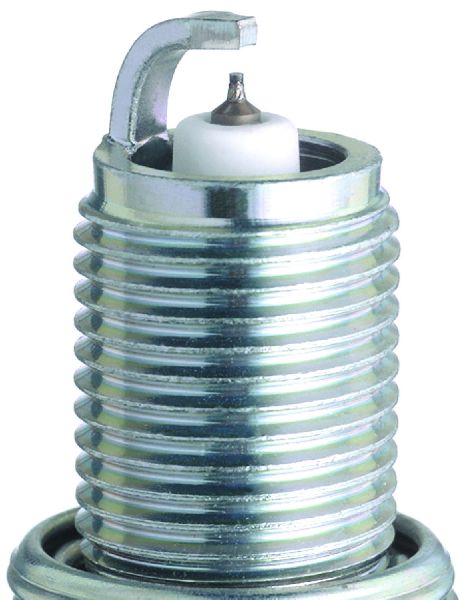
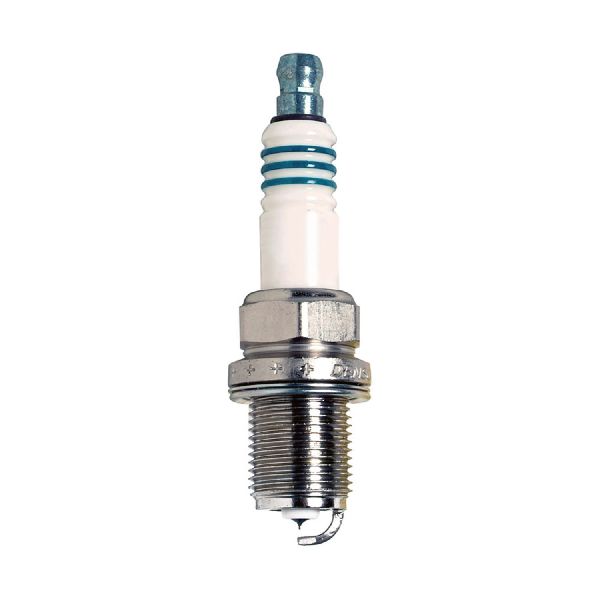
- Top Tier (OEM-Equivalent): NGK and Denso are the most recommended brands for Japanese vehicles like your Mazda. Look for NGK's V-Power or G-Power series, or Denso's standard U-Groove plugs. These are trusted by mechanics and owners for their reliability and consistent performance.
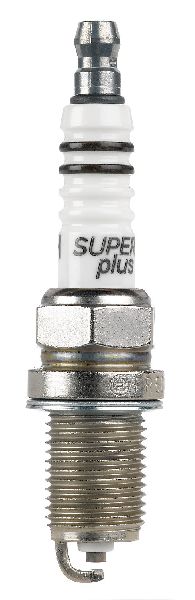
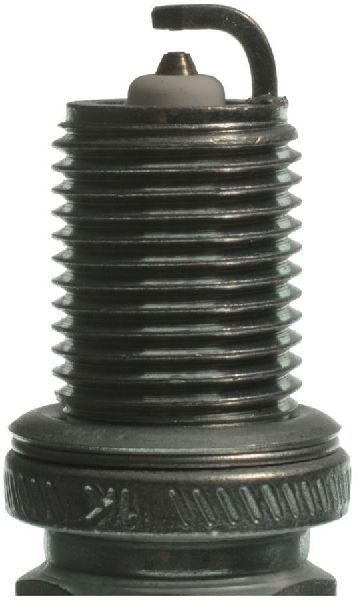
- Quality Aftermarket: Brands like Bosch, Champion, and Autolite offer solid, affordable alternatives. They are a good balance of price and quality and will perform well in a stock 323 engine. Some owners have had mixed results with certain Bosch multi-electrode plugs, preferring the simplicity of standard NGK designs.
- Budget Options: Skyward and other lesser-known brands are available at a lower price point. While they will work, they may not have the same lifespan or quality control as the more established brands.
A Note on "Performance" Plugs
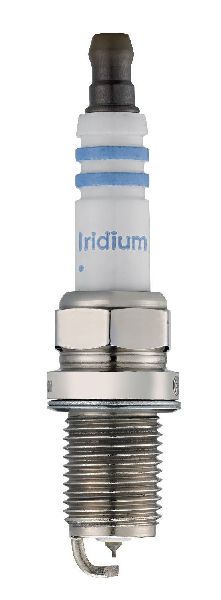
For a stock Mazda 323, expensive iridium or platinum plugs are generally not necessary and won't provide a noticeable performance boost. Standard copper or nickel plugs from a reputable brand like NGK provide excellent performance and are very affordable. The main benefit of iridium plugs is a much longer service life, but given the low cost and ease of replacement, standard plugs are often the more practical choice.
Known Issues, Recalls, and TSBs
There are no specific recalls or Technical Service Bulletins (TSBs) directly related to the spark plugs on the 1986-1995 Mazda 323. However, there was a significant recall (NHTSA Campaign ID: 15V674000) for the ignition switch in 1990-1995 models, which could overheat and pose a fire risk. While unrelated to the plugs themselves, a faulty ignition system can cause running issues. Some owners have also reported that worn spark plug wires can cause problems that mimic bad spark plugs.
Frequently Asked Questions (FAQ)
How often should I change the spark plugs on my Mazda 323?
For standard copper or nickel spark plugs, a good interval is every 20,000 to 30,000 miles or every 2-3 years. It's an inexpensive and easy maintenance job that keeps your engine healthy.
What tools do I need to change my spark plugs?
You'll need a ratchet, a spark plug socket (usually 16mm for these cars), and an extension. A torque wrench is recommended to tighten the new plugs correctly. Applying a small amount of anti-seize lubricant to the new plug's threads is also a good practice.
What does the spark plug gap mean?
The gap is the small space between the center and ground electrodes at the tip of the plug. The spark has to jump this gap. If the gap is too small or too large, it can cause misfires and poor performance. The typical gap for a 1986-1995 323 is 0.044 inches.
Should I replace my spark plug wires at the same time?
It's a good idea to inspect your spark plug wires when you change the plugs. Look for cracks, brittleness, or signs of arcing. If they are old or show wear, replacing them as a set is recommended. Worn wires can cause a weak spark even with new plugs.
Technical Specifications
OEM Part Numbers: BKR5E-11 BPR6ES BKR6E-11
Thread Size: M14 x 1.25, Socket Size: 16mm, Gap: 0.044 in (1.1mm) for most models. Always confirm specifications for your exact year and engine.
We Have This Part in Stock

The information in this article is provided for general reference and educational purposes only. Vehicle specifications, procedures, and part compatibility can vary by production date, trim level, and region. Always consult your vehicle's factory service manual and verify part numbers before purchasing or performing repairs. Safety-critical components such as airbags, seat belts, and braking systems should be installed by a qualified professional.
- Mazda 323: