

Mercury Sable Throttle Position Sensor (TPS) Guide: 1986-1995
Solve stalling, poor acceleration, and rough shifting issues in your 1986-1995 Sable by understanding and choosing the right throttle position sensor.
- A bad TPS is a common cause of hesitation, stalling, and erratic shifting on 1986-1995 Sables.
- Replacement is an easy DIY job that requires basic tools and about 30 minutes.
- Verify the part fits your specific engine (3.0L vs. 3.8L) before purchasing.
- Choosing a quality aftermarket brand like Delphi or Standard Ignition can prevent future issues.
Is a Failing Throttle Position Sensor Causing Your Sable's Problems?
If your 1986-1995 Mercury Sable is hesitating, stalling, or shifting erratically, a faulty throttle position sensor (TPS) is a likely culprit. This small sensor plays a big role in how your car drives. When it starts to fail, it sends incorrect information to your car's computer, leading to a variety of noticeable problems. Because this part is a common failure point due to age and wear, replacing it can often solve many frustrating drivability issues.
Symptoms of a Bad TPS in a 1986-1995 Sable
- Hesitation or Stumbling: The car may hesitate or stumble when you press the gas pedal.
- Poor Acceleration: You might feel a significant lack of power, and the car may feel sluggish.
- Erratic or Hard Shifting: The automatic transmission may shift at the wrong times, shift harshly, or delay shifting. This is because the transmission computer relies on the TPS signal to time gear changes.
- Rough or Unstable Idle: The engine idle may be rough, or it might surge up and down without you touching the gas pedal.
- Engine Stalling: In more severe cases, the engine may stall unexpectedly, especially when coming to a stop or at idle.
- Check Engine Light: A failing TPS will often trigger the Check Engine Light. Common codes include P0120, P0121, P0122, P0123, and P0124.
Choosing the Right Aftermarket TPS for Your Sable
For an older vehicle like the 1986-1995 Sable, aftermarket parts offer a great balance of value and quality. However, not all brands are created equal. For a critical sensor like the TPS, choosing a reputable brand can prevent the headache of a part that's faulty right out of the box.
Brand Quality Tiers
- Tier 1: Premium Aftermarket (OEM-Equivalent Quality)
Brands like Delphi and Standard Ignition (Standard Motor Products) are often original equipment manufacturers for many car companies. They are known for high-quality engineering and rigorous testing, making them a reliable choice that should perform like the original factory part. - Tier 2: Quality Aftermarket
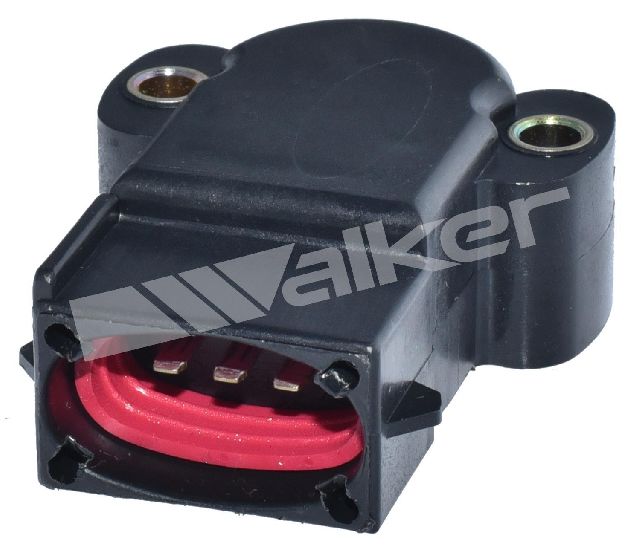
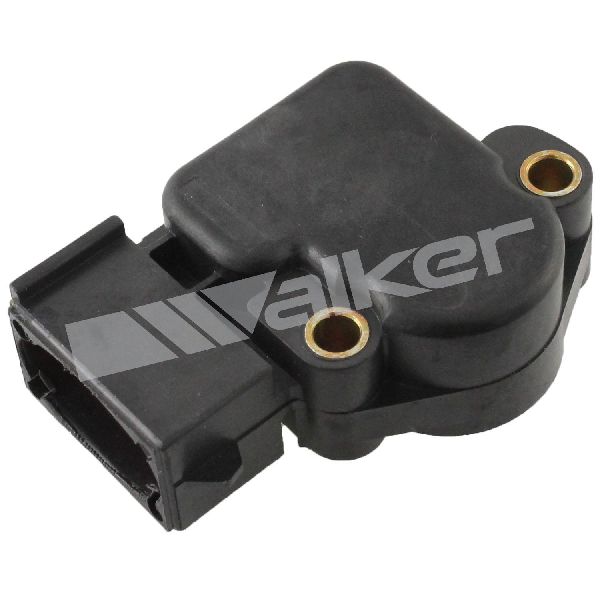
Walker Products is a well-established aftermarket brand that manufactures its parts to meet or exceed OEM standards. They offer a good balance of quality and price, making them a solid choice for most repairs. - Tier 3: Economy Brands
Brands like Global Parts and True Tech fall into the budget-friendly category. While they offer the lowest price point, they may not have the same level of testing or material quality as premium brands. They can be a viable option for a budget-conscious repair, but carry a higher risk of premature failure.
Cost to Replace a Mercury Sable Throttle Position Sensor
| Part/Service | Estimated Cost |
|---|---|
| DIY Aftermarket Part | $9 - $74 |
| Professional Installation (Labor) | $60 - $90 |
| Total Professional Replacement | $69 - $164 |
Cost estimates are based on national averages and may vary by location and specific product choice.
Frequently Asked Questions
Can I replace the throttle position sensor myself?
Yes, this is a very DIY-friendly job for most home mechanics. The TPS is located on the side of the throttle body and is typically held in place by two small screws. The process involves disconnecting the battery, unplugging the electrical connector, removing the two screws, and swapping the old sensor for the new one. The most common difficulty is accessing the screws, which can be in a tight spot.
Does a new TPS need to be calibrated?
No, the TPS on a 1986-1995 Sable is not adjustable. The vehicle's computer is designed to automatically learn the voltage range of the new sensor after it is installed and the engine is run.
What happens if I don't replace a bad TPS?
Ignoring a failing TPS will lead to persistent and worsening drivability problems. You will experience poor fuel economy, frustrating hesitation and stalling, and potentially damaging stress on your transmission from hard, improper shifting.
Could something else cause the same symptoms?
Yes. A dirty throttle body, a failing Idle Air Control (IAC) valve, or a vacuum leak can sometimes cause similar symptoms like a rough idle or stalling. However, if you are also experiencing poor acceleration and transmission shifting problems, the TPS is the most likely cause.
Technical Specifications
OEM Part Numbers: E7AZ-9B989-A F2DZ-9B989-B F4SZ-9B989-A F5RZ-9B989-B F5RZ-9B989-BA
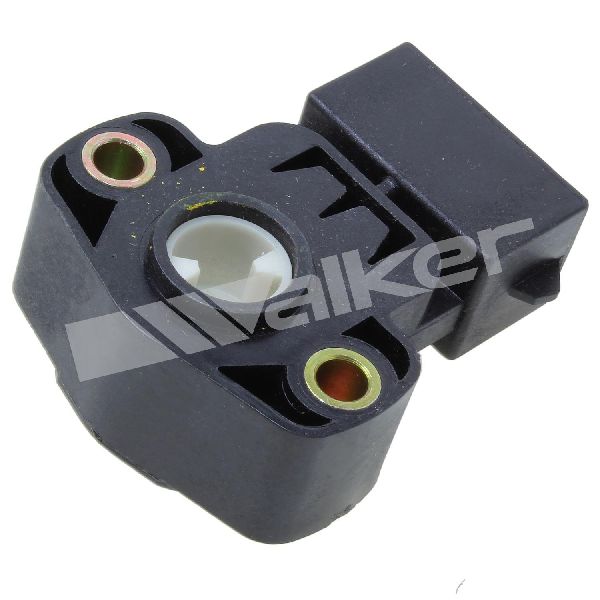
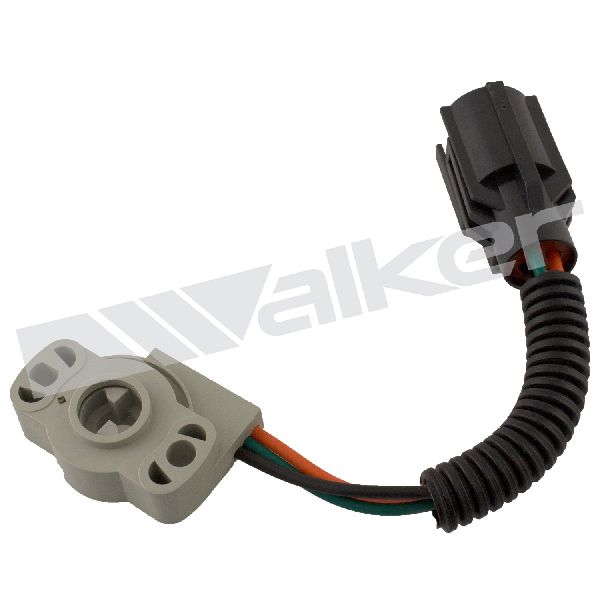
Typically a 3-pin, rotary-style potentiometer sensor mounted to the side of the throttle body.
We Have This Part in Stock


The information in this article is provided for general reference and educational purposes only. Vehicle specifications, procedures, and part compatibility can vary by production date, trim level, and region. Always consult your vehicle's factory service manual and verify part numbers before purchasing or performing repairs. Safety-critical components such as airbags, seat belts, and braking systems should be installed by a qualified professional.
- Mercury Sable: