

Guide to 1986-1995 Toyota 4Runner Suspension Control Arm Bushings
Restore your 4Runner's steering and ride quality by understanding and replacing worn control arm bushings.
- Symptoms of bad bushings include clunking noises, steering wander, and uneven tire wear.
- Replacing the entire control arm is often easier and more cost-effective than pressing out old bushings.
- For a stock ride, choose high-quality rubber bushings; for a firmer, performance feel, consider polyurethane.
- A wheel alignment is mandatory after replacing control arm bushings or arms to prevent tire damage and ensure safety.
Signs of Failing Control Arm Bushings
Worn control arm bushings on your 1st or 2nd Generation 4Runner will make themselves known through several distinct symptoms. Because the bushings are responsible for keeping the control arms in place, their failure allows for unwanted movement in the suspension. This can lead to a clunking or knocking sound when you drive over bumps, accelerate, or brake. 🎬 Watch: Diagnosing and fixing a clunking noise on a 4Runner. You might also feel vibrations in the steering wheel, especially at highway speeds. Another common sign is a steering wheel that feels loose or wanders, requiring you to make constant small corrections to keep the truck driving straight. In more advanced stages of wear, you may notice uneven tire wear, often on the inner or outer edges, as the wheels are no longer held in proper alignment.
Choosing the Right Aftermarket Bushing
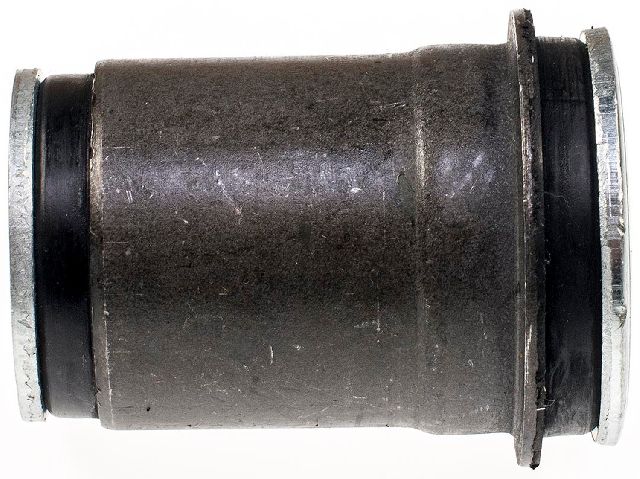
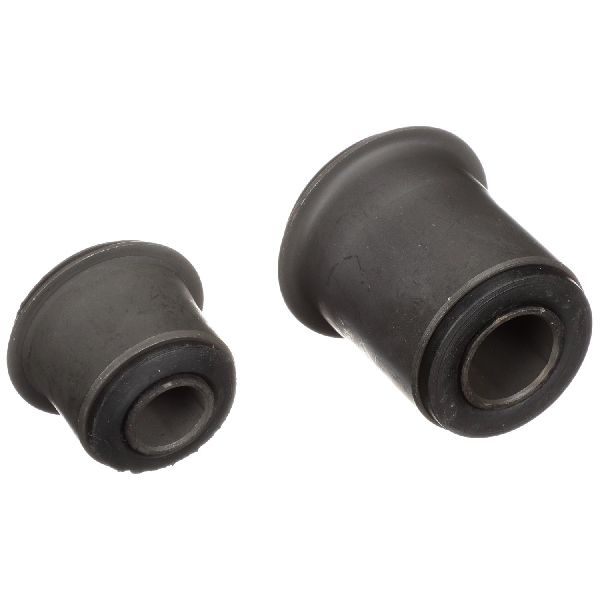
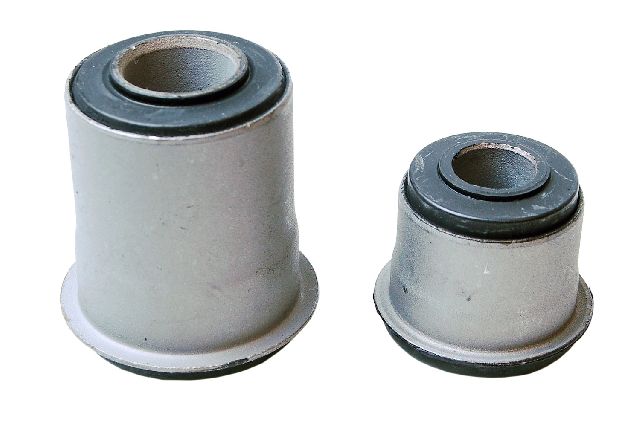
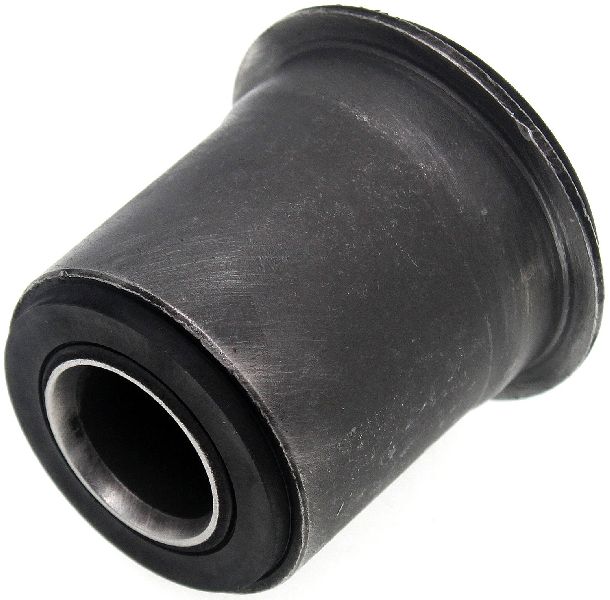
When replacing your control arm bushings, you have a few options. The original Toyota bushings are made of rubber, which provides a comfortable and quiet ride. Many aftermarket options are available in either rubber or polyurethane.
| Bushing Material | Pros | Cons |
|---|---|---|
| Rubber (OEM style) | Quiet operation, comfortable ride, no regular maintenance. | Can wear out over time, less firm than polyurethane. |
| Polyurethane (e.g., Nolathane) | More durable, provides a firmer ride and better handling response. | Can make the ride harsher, may squeak if not lubricated properly during installation. |
Aftermarket Brand Tiers
Several brands offer replacement bushings and control arms for your 4Runner. Owner experiences and general reputation place them into a few categories:
- Premium Aftermarket (Moog, Mevotech Supreme): Brands like Moog have a long-standing reputation, though some users feel their quality has changed over the years. Mevotech offers different tiers, with their "Supreme" line being a higher-quality option. These brands often aim to meet or exceed OEM specifications.
- Standard Aftermarket (Dorman, Beck Arnley, Delphi, standard Mevotech): These brands are widely available and often more affordable. They can be a good value for a daily driven vehicle, but some owners have reported mixed results compared to OEM or premium brands. For a vehicle that sees hard use, carefully consider the trade-offs.
- Performance Aftermarket (Nolathane): Nolathane specializes in polyurethane bushings. These are for owners looking to improve handling and durability, especially for off-road use, and are willing to accept a potentially firmer ride. Some users have reported issues with polyurethane bushings from various brands becoming brittle over time.
Pro-Tip: Replacing just the bushings is labor-intensive and requires a shop press. 🎬 Watch this walkthrough of a lower control arm bushing replacement. Many owners and shops find it easier and more effective to replace the entire control arm, which comes with new bushings and a new ball joint pre-installed.
Frequently Asked Questions (FAQ)
Do I need a wheel alignment after replacing control arm bushings?
Yes. Replacing the control arm bushings will always affect your vehicle's alignment. You should get a professional wheel alignment immediately after the replacement to ensure proper handling, prevent tire wear, and ensure safety.
Should I replace just the bushings or the whole control arm?
Replacing the entire control arm is often the better choice. The old bushings are pressed in and very difficult to remove without special tools like a hydraulic press. A new control arm assembly includes new bushings and a new ball joint, saving significant labor time and addressing multiple potential wear points at once.
Should I choose rubber or polyurethane bushings?
It depends on your priorities. Stick with quality rubber bushings (like OEM or a premium aftermarket brand) if you want to maintain the original smooth and quiet ride. Choose polyurethane if you want a firmer, more responsive feel for performance driving or off-roading, but be aware that it can make the ride harsher and may require periodic re-lubrication to prevent squeaking.
How many control arm bushings does my 4Runner have?
The front suspension of a 1986-1995 Toyota 4Runner has two upper control arms and two lower control arms. Each control arm has two bushings. This means you have a total of eight control arm bushings in the front suspension (four upper and four lower).
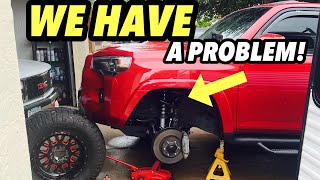
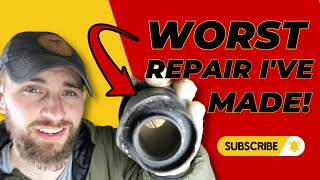
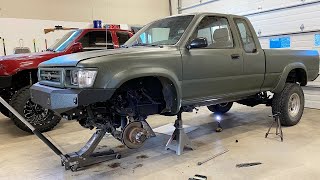
🎬 See why upper control arm bushing replacement is a difficult job.Helpful Videos
Technical Specifications
The 1986-1995 Toyota 4Runner uses an independent front suspension (IFS) with upper and lower control arms. Each arm uses two bushings for a total of eight in the front suspension. The alignment is adjusted via cam bolts on the lower control arm mounts, which are prone to seizing.
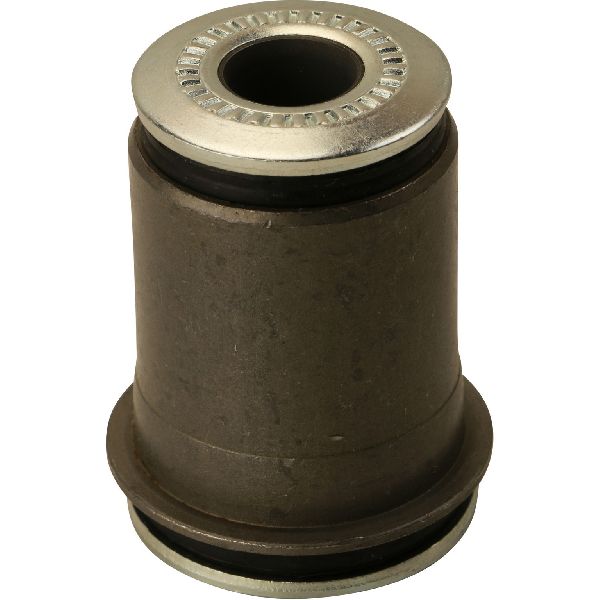
We Have This Part in Stock

The information in this article is provided for general reference and educational purposes only. Vehicle specifications, procedures, and part compatibility can vary by production date, trim level, and region. Always consult your vehicle's factory service manual and verify part numbers before purchasing or performing repairs. Safety-critical components such as airbags, seat belts, and braking systems should be installed by a qualified professional.
- Toyota 4Runner: