

Engine Coolant Thermostat Guide for the 1986-1996 Acura Integra
Your complete guide to diagnosing, choosing, and replacing the engine coolant thermostat in your first, second, or third generation Acura Integra.
- A thermostat can fail stuck-closed (causing critical overheating) or stuck-open (causing the engine to run too cool).
- For maximum reliability on an Integra, using a Genuine Acura/Honda (OEM) thermostat is highly recommended by experienced owners.
- After replacing the thermostat, you MUST properly bleed the cooling system to remove air pockets, which can cause overheating.
- The job is DIY-friendly, located at the bottom radiator hose connection to the engine, and held by two 10mm bolts.
Is your Integra's thermostat failing?
A thermostat is a wear-and-tear item. After thousands of heating and cooling cycles, it can fail. It almost always fails in one of two ways: stuck open or stuck closed. Both present unique symptoms.
Symptoms of a Thermostat Stuck Closed
This is the most dangerous type of failure. When the thermostat is stuck closed, hot coolant is trapped in the engine and cannot get to the radiator to cool down. This quickly leads to overheating.
- Engine Overheats Quickly: The temperature gauge on your dashboard will climb into the red or "H" mark, often within minutes of driving.
- Boiling or Gurgling Sounds: You may hear strange noises from the engine bay as the coolant inside begins to boil.
- Coolant Leaks: Extreme pressure from overheating can force coolant out of the reservoir or cause leaks around the thermostat housing itself.
Symptoms of a Thermostat Stuck Open
This failure is less critical but still needs to be addressed. The thermostat is stuck open, meaning coolant is constantly flowing to the radiator, even when the engine is cold.
- Engine Takes Forever to Warm Up: Your temperature gauge may stay on "C" or only move up slightly, even after 15-20 minutes of driving.
- Poor Heater Performance: The air coming from your vents will be lukewarm or cold because the coolant never gets hot enough to properly heat the cabin.
- Decreased Fuel Economy: Your Integra's ECU relies on the engine reaching a specific temperature to run efficiently. If it runs too cool, it may stay in a "rich" fuel mode, burning more gas than necessary.
- Check Engine Light: On 1996 models (OBD-II), a thermostat stuck open can trigger the code P0128, indicating the coolant temperature is below its regulating temperature.
Choosing the Right Aftermarket Thermostat
For a critical part like this, quality matters. While many aftermarket options exist, owner experiences suggest that not all are created equal. For the 1986-1996 Integra, Genuine Acura/Honda parts are widely considered the most reliable choice.
Aftermarket Brand Tiers for Acura Integra
| Brand Tier | Brands | Notes |
|---|---|---|
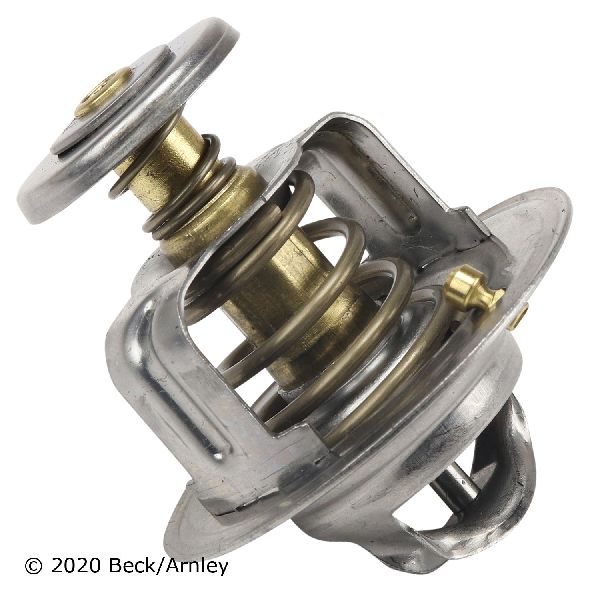
| Best Bet (OEM) | Acura/Honda (Nippon) | The original part is made by Nippon Thermostat. It offers the best fit and reliability. Many owners who try aftermarket parts end up switching back to OEM after premature failures. Always comes with the correct gasket. |
| Specialty (Performance) | Mishimoto | Offers a "racing" thermostat that opens at a lower temperature (154°F vs. stock 172°F). This is ONLY recommended for heavily modified or track-driven cars. For a daily driver, it can prevent the engine from reaching optimal temperature, hurting fuel economy and heater performance. |
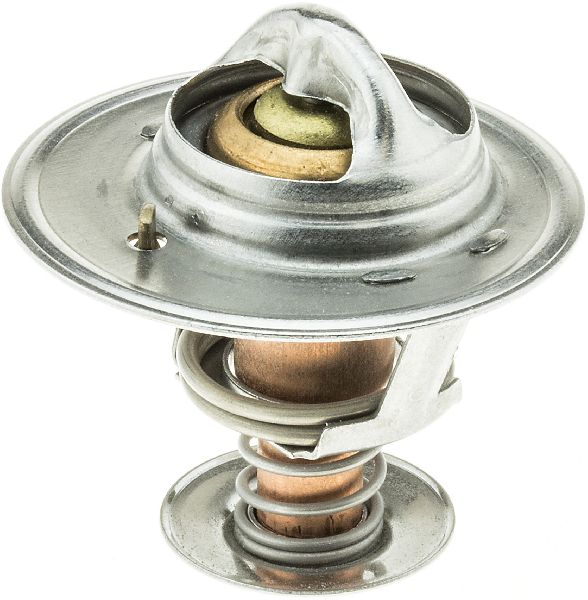
| Standard Aftermarket | Gates, Motorad, Calorstat | These are standard replacement-grade parts. They are a budget-friendly option, but their long-term reliability may not match the OEM unit. Ensure it comes with a new rubber gasket. |
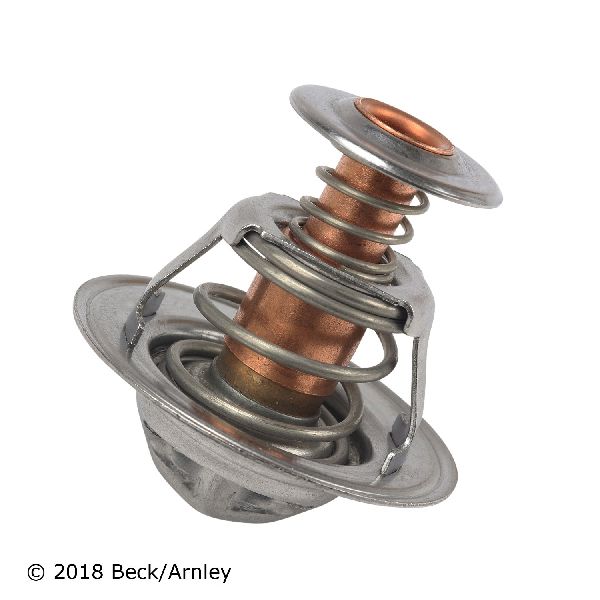
| Hit or Miss | Beck Arnley | Beck Arnley is a parts reseller, not a manufacturer. They re-box parts from various sources. You might get a high-quality OEM part, or you might get a lower-quality part in their box. It's a gamble on consistency. |
Known Issues, Recalls, or TSBs
There are no known recalls or technical service bulletins (TSBs) from Acura or the NHTSA specifically for the engine coolant thermostat on the 1986-1996 Acura Integra. Most issues are related to normal wear and tear.
Frequently Asked Questions (FAQ)
Can I just remove the thermostat if it's broken?
No, this is a bad idea. While removing it might temporarily solve an overheating problem caused by a stuck-closed unit, it will cause the same problems as a stuck-open thermostat. Your engine will run too cool, leading to poor performance, bad fuel economy, and increased engine wear over time. The thermostat is a necessary part.
Why is my car still overheating after replacing the thermostat?
There are a few possibilities. First, ensure the cooling system was properly "bled" after the replacement. Air trapped in the system is a common cause of overheating. Other potential causes include a failing water pump, a clogged radiator, or a faulty radiator fan. A new thermostat can't fix these separate issues.
What is "bleeding" the cooling system and why is it important?
Bleeding the system means removing all air pockets from the coolant. When you drain the coolant to replace the thermostat, air gets in. Air bubbles can get trapped in the engine or heater core and prevent coolant from circulating properly, causing overheating. The process usually involves running the engine with the radiator cap off and the heater on full blast, allowing air to escape until only a steady stream of coolant is seen.
Is the OEM thermostat really worth the extra cost?
Based on extensive owner feedback in forums, the answer for this specific vehicle is yes. The OEM thermostat is known for its long-term reliability. While you might save a few dollars on a standard aftermarket part, the risk of it failing prematurely—and the headache of having to do the job again—makes the OEM part a worthwhile investment for peace of mind.
Technical Specifications
OEM Part Numbers: 19301-PAA-306 19300-P08-003 19300-PR3-004 19301-P08-306 19300-PH7-004
Standard OEM opening temperature: 78°C (172.4°F). Always includes a rubber gasket. Located on the engine block where the lower radiator hose connects.
We Have This Part in Stock


The information in this article is provided for general reference and educational purposes only. Vehicle specifications, procedures, and part compatibility can vary by production date, trim level, and region. Always consult your vehicle's factory service manual and verify part numbers before purchasing or performing repairs. Safety-critical components such as airbags, seat belts, and braking systems should be installed by a qualified professional.
- Acura Integra: