

Ford Bronco Disc Brake Caliper Guide: 1986-1996
Everything you need to know before replacing the front disc brake calipers on your 1986-1996 Ford Bronco.
- The most common failure is a seized piston from rust or debris, causing pulling or brake drag.
- Always replace front calipers in pairs to ensure even and safe braking.
- Most aftermarket calipers are remanufactured; this is a standard and cost-effective option for the Bronco.
- Brands like Raybestos and Centric are solid standard replacements, while Powerstop offers a coated, performance-style option.
Is Your Bronco's Brake Caliper Failing?
The front disc brake calipers on the 1986-1996 Ford Bronco are rugged, but they don't last forever. The most common issue is the internal piston seizing up due to rust and debris from old brake fluid. This is especially common if the truck sits for long periods. A stuck caliper can either fail to apply pressure, reducing stopping power, or fail to release, causing the brake to drag constantly.
🎬 Watch: How to diagnose a seized brake caliperSymptoms of a Bad Brake Caliper
- Pulling to one side: When you brake, the truck may pull sharply to the left or right. This happens when one caliper is working harder than the other.
- Spongy or soft brake pedal: If a caliper seal fails and leaks brake fluid, you may lose hydraulic pressure, making the pedal feel soft.
- Brake drag: A stuck caliper piston can keep the brake pads pressed against the rotor even when you're not braking. You might feel like you're driving with the emergency brake on.
- Excessive heat and burning smell: A dragging caliper generates a lot of friction and heat. You may notice a burning smell from one of the front wheels after a drive.
- Uneven brake pad wear: When you inspect your brake pads, the pads on one side might be much more worn than the other.
OEM vs. Aftermarket Calipers for Your Bronco
For a vehicle from this era, finding brand new OEM (Original Equipment Manufacturer) calipers from Ford is unlikely and would be expensive. The good news is that the aftermarket offers many high-quality options that are readily available. Most aftermarket calipers for the '86-'96 Bronco are professionally remanufactured. This means an original caliper core has been disassembled, cleaned, inspected, and rebuilt with all new wear parts like seals, boots, and pistons. These remanufactured units are a reliable and cost-effective choice.
Choosing the Right Aftermarket Caliper
With several brands available, it can be tough to choose. They generally fall into three tiers for your Bronco.
Aftermarket Brand Tiers
| Tier | Brands | Description |
|---|---|---|
| Standard Replacement | Raybestos, Centric, Dynamic Friction | These brands are well-regarded for providing quality and reliability that meets or exceeds original standards. They are the go-to choice for most owners doing a standard repair. Many Raybestos and Centric calipers feature a protective coating to prevent rust. |
| Performance / Coated | Powerstop | Powerstop calipers are remanufactured and typically come with a durable powder-coated finish (often red) for better corrosion resistance and a custom look. They are often sold in kits with upgraded pads and rotors, making them a good choice if you're overhauling your entire brake system. |
| Economy | Cardone, BBB Industries | These brands offer a functional replacement at a lower price point. While many users have had good experiences over many years, some have noted issues with the quality of the finish and long-term rust resistance. They can be a good value for a budget-conscious repair. |
Pro Tip: Loaded vs. Unloaded Calipers
You will see options for "loaded" or "semi-loaded" calipers. A loaded caliper comes complete with new brake pads and all the necessary mounting hardware (clips and pins). An unloaded caliper is just the caliper itself. If you are also replacing your pads, a loaded caliper can save you time and ensure all the components are new and matched.
🎬 See this walkthrough for replacing Bronco calipers and padsKnown Issues, Recalls, and Service Bulletins
Searches of the National Highway Traffic Safety Administration (NHTSA) database and other technical resources show no specific recalls or Technical Service Bulletins (TSBs) for disc brake caliper failure on the 1986-1996 Ford Bronco. The primary known issue is the tendency for calipers to seize from corrosion, which is a maintenance and age-related problem rather than a manufacturing defect.
Frequently Asked Questions (FAQ)
Should I replace calipers in pairs?
Yes. It is highly recommended to replace both front calipers at the same time. This ensures even braking performance and prevents the truck from pulling to one side. Since they are the same age, if one has failed, the other is likely not far behind.
What is a phenolic piston?
You will see calipers listed with either phenolic or steel pistons. Phenolic is a high-strength plastic composite material that does not rust and is a poor conductor of heat, which helps keep brake fluid cooler. Steel pistons are stronger but can rust if moisture enters the system. For most daily driving and off-road use on a Bronco, calipers with phenolic pistons are a reliable and popular choice.
Do I need to bleed the brakes after replacing a caliper?
Absolutely. Whenever you disconnect a brake line, air enters the system. You must bleed the brakes to remove all air bubbles. Air in the lines will cause a spongy, unsafe brake pedal. Start by bleeding the caliper you replaced, then it's a good idea to bleed the other three wheels to ensure all old fluid and any trapped air is gone.
What is a 'core charge'?
Since most aftermarket calipers are remanufactured, they require your old caliper to be sent back so it can be rebuilt. The core charge is a temporary deposit you pay when you buy the part. You get that money back when you return your old, rebuildable caliper.
🎬 Watch: Full front disc brake and bearing restoration guideHelpful Videos
Technical Specifications
OEM Part Numbers: F4TZ-2B121-B
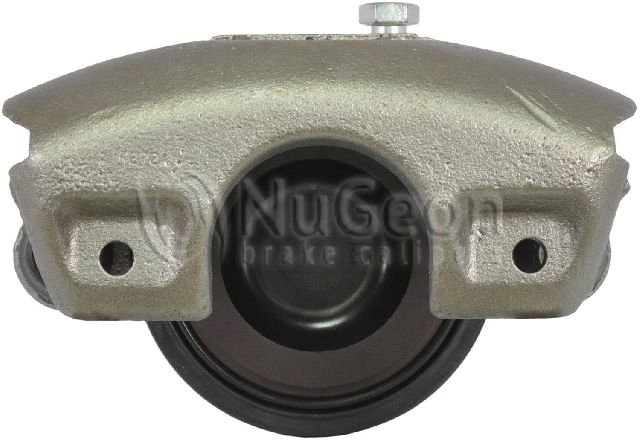
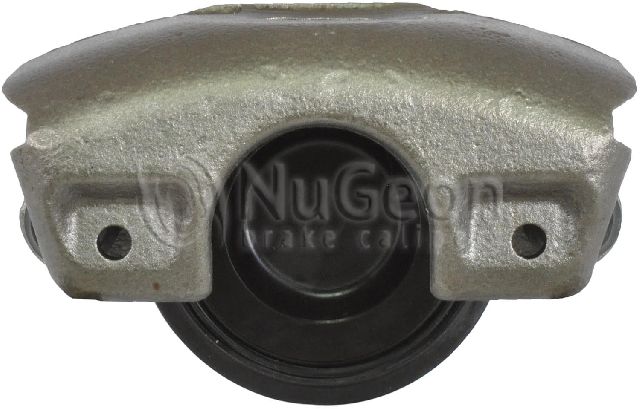
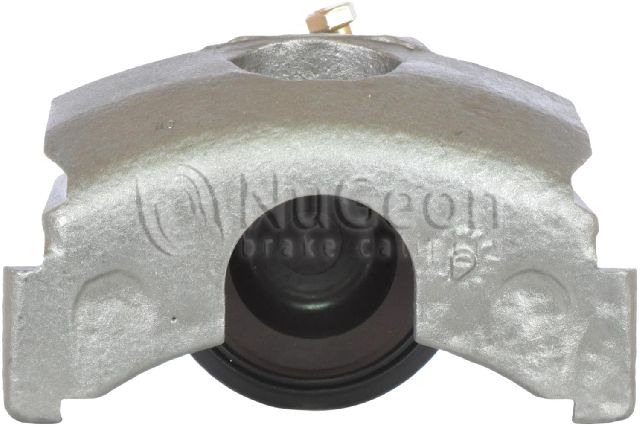
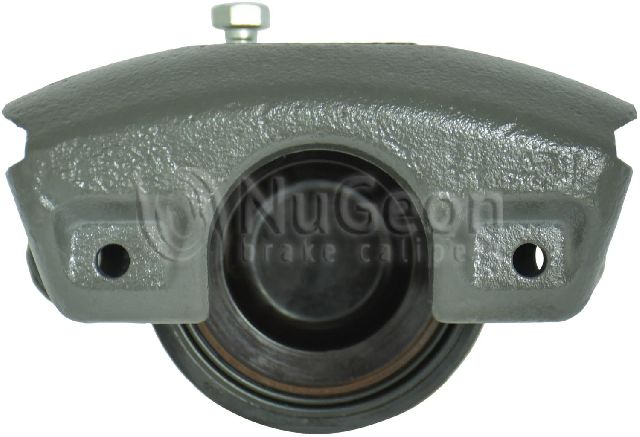
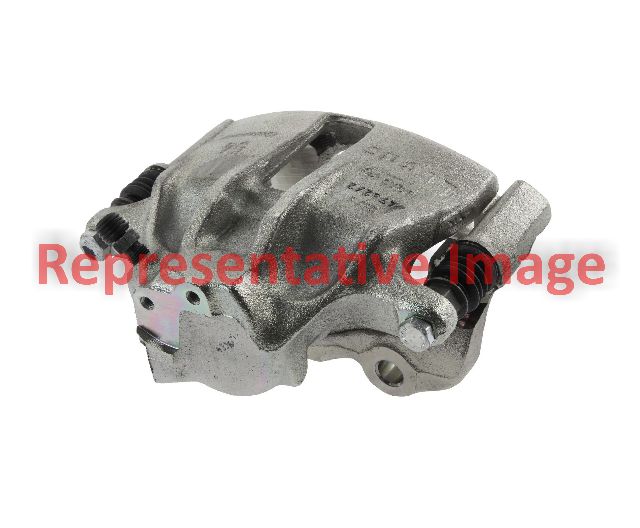
The 1986-1996 Ford Bronco uses a single-piston, floating front disc brake caliper. The piston diameter is typically 73mm (2.87 inches). Most aftermarket replacements use a phenolic piston.
We Have This Part in Stock

The information in this article is provided for general reference and educational purposes only. Vehicle specifications, procedures, and part compatibility can vary by production date, trim level, and region. Always consult your vehicle's factory service manual and verify part numbers before purchasing or performing repairs. Safety-critical components such as airbags, seat belts, and braking systems should be installed by a qualified professional.
- Ford Bronco:
- 🎬 Helpful Videos
- 🛍️ Shop This Part
- Is Your Bronco's Brake Caliper Failing?
- Symptoms of a Bad Brake Caliper
- OEM vs. Aftermarket Calipers for Your Bronco
- Choosing the Right Aftermarket Caliper
- Aftermarket Brand Tiers
- Pro Tip: Loaded vs. Unloaded Calipers
- Known Issues, Recalls, and Service Bulletins
- Frequently Asked Questions (FAQ)
- 🎟️ Get 5% Off