

Ford E-150 Econoline (1986-1996) Electric Fuel Pump Guide
Keep your 1986-1996 Ford E-150 running reliably by understanding its fuel pump system and choosing the right replacement part.
- For dual tank models, check the selector valve first; it's a common failure point that causes fuel to transfer between tanks.
- Replacing the fuel pump is a major job; choose a quality brand like Bosch, Denso, or Delphi to avoid doing it twice.
- Always replace the fuel filter and in-tank strainer (sock) with the new pump to prevent immediate failure and voiding the warranty.
- Symptoms like stalling, no-start, and power loss are common, but a whining noise from the tank is a tell-tale sign of a failing pump.
Is Your E-150's Fuel Pump Failing?
A failing fuel pump can leave you stranded. If your Econoline is having trouble starting, stalling, or losing power, the fuel pump could be the culprit. These symptoms happen because the engine isn't getting a steady supply of gasoline. You might hear a whining noise from the fuel tank area, which is a common sign of a pump working too hard or wearing out. Sometimes, a failing pump won't make any noise at all; the van will just crank but won't start. In some cases, tapping on the bottom of the fuel tank with a rubber mallet can temporarily get a stuck pump to work again, confirming it's the problem.
A Note on Dual Fuel Tanks
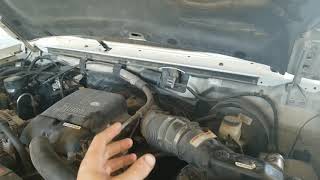
Many 1986-1996 E-150s have dual fuel tanks. This system uses a selector valve to switch between the front and rear tanks. A very common and dangerous issue is when this valve fails, causing fuel to be pumped from one tank into the other, potentially causing the receiving tank to overflow and leak fuel. 🎬 Watch this video to understand why your front tank overflows. Symptoms often include the engine stalling when switched to one tank, or the fuel gauge acting erratically. This problem is often misdiagnosed as a bad fuel pump when it's actually the selector valve. There was a recall for this issue on some 1991 models (NHTSA Campaign ID: 91V146000).
Choosing the Right Aftermarket Fuel Pump
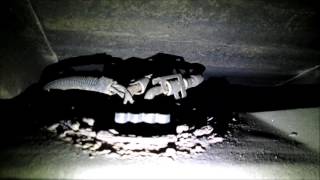
When it's time for a replacement, you have options. Since dropping the fuel tank is a big job, 🎬 See a full walkthrough of the fuel tank removal process. it's wise to choose a quality part to avoid doing the work twice. Ford's original equipment (OEM) manufacturer was often Bosch.
Brand Quality Tiers
- Top Tier (OEM Quality): Bosch and Denso are widely regarded as top-quality choices, often matching or exceeding the original part's performance and lifespan. They are engineered for quiet operation and a precise fit.
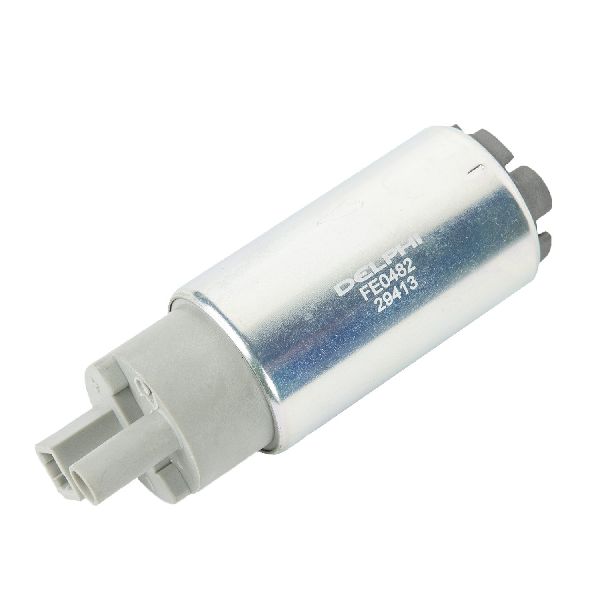
- Mid-Grade (Reliable Value): Delphi and Carter are solid, reputable brands that offer a good balance of quality and price. While some users report Delphi quality can be inconsistent, they are generally a trusted option. Carter has a long history and is known for durability.
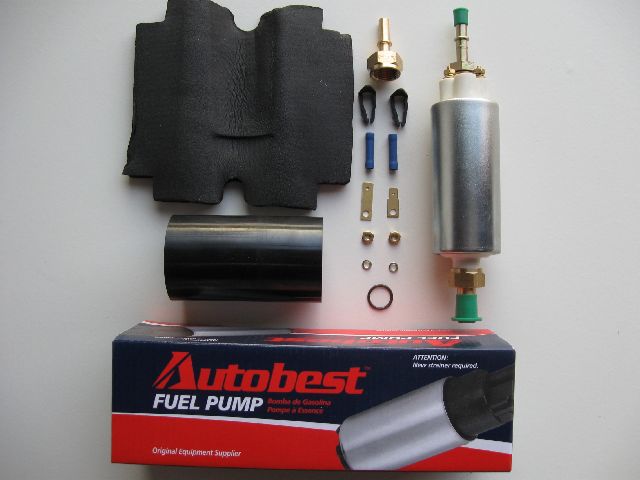
- Economy Tier: Brands like AutoBest and US Motor Works fall into the budget-friendly category. While they are more affordable, they may not offer the same longevity or quiet operation as premium brands. For a vehicle you depend on, investing in a mid or top-tier pump is often recommended due to the high labor cost of replacement.
Estimated Costs (1986-1996 Ford E-150)
| Part/Service | Estimated Cost |
|---|---|
| New Aftermarket Fuel Pump Assembly | $39 - $150 |
| Shop Labor for Replacement | $296 - $462 |
| Total Professional Replacement | $516 - $954 |
Pro Tip: Replace the Fuel Filter and Strainer
Whenever you replace a fuel pump, you must also replace the fuel filter and the in-tank strainer (sock). Debris from the old, failing pump can quickly clog and destroy a new pump. Most new pump kits include a new strainer, and failure to replace the filter can void your warranty.
Frequently Asked Questions (FAQ)
How difficult is it to replace the fuel pump myself?
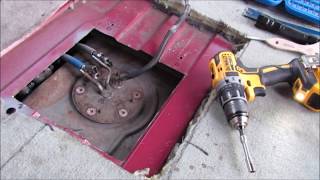
This is a difficult job for a DIY mechanic, rated about 4 out of 5. It requires dropping a large, heavy fuel tank, which can be dangerous if it contains fuel. You will need a floor jack, jack stands, and special fuel line disconnect tools. Some owners cut an access hole in the van's floor to reach the pump without dropping the tank, but this requires careful measurement and fabrication skills.
🎬 Watch how to replace the pump through a floor access hole.Should I replace just the pump motor or the whole assembly?
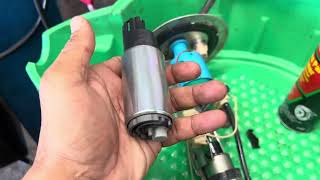
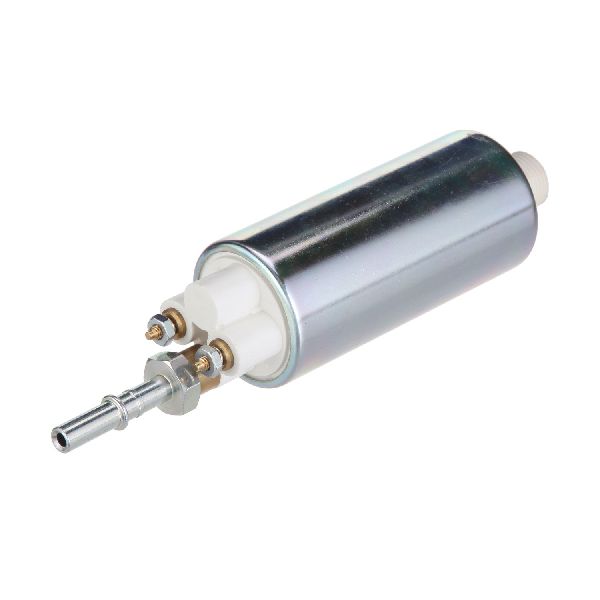
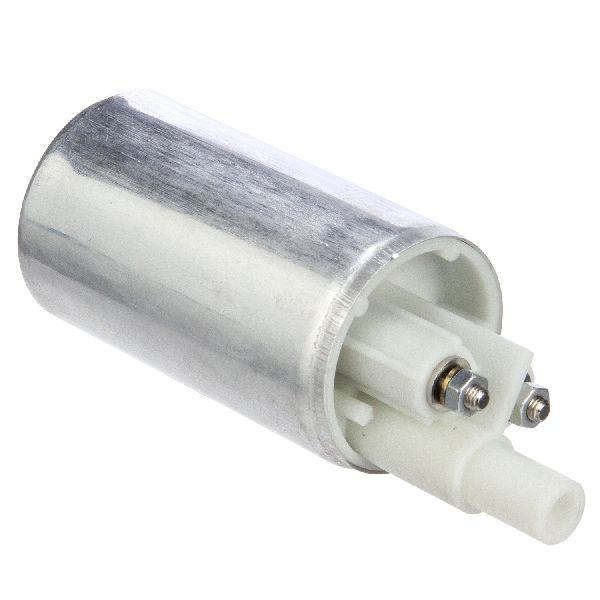
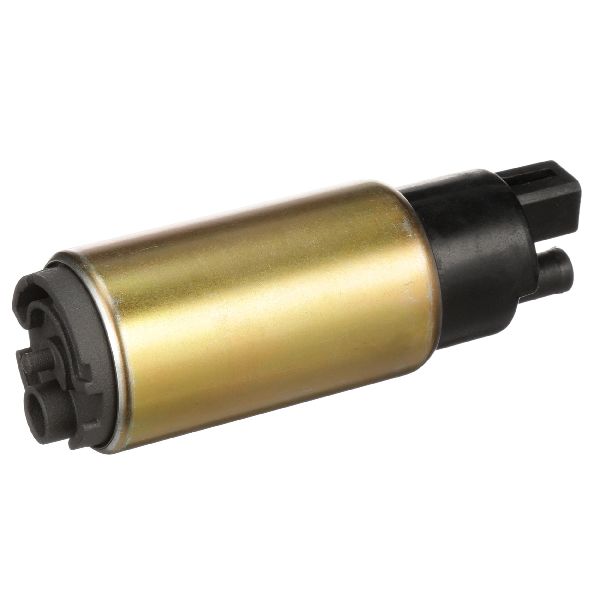
It is highly recommended to replace the entire fuel pump module assembly. The assembly includes the pump, strainer, sending unit (for the fuel gauge), and reservoir. While you can sometimes buy just the pump motor, the other components like the sending unit and internal wiring also wear out. Replacing the whole assembly ensures all parts are new and reduces the chance of having to do the job again soon.
My van has two tanks. Do I need to replace both pumps?
Not necessarily. You only need to replace the pump that has failed. However, if one pump has failed due to age and high mileage, the other may not be far behind. If you are paying for labor to have the system worked on, and especially if you are experiencing issues with the tank selector valve, it may be cost-effective to address both tanks at the same time.
What is the difference between the fuel systems in these vans?
The fuel system changed during this period. Earlier models (pre-1990) often used a low-pressure pump in each tank and a high-pressure pump mounted on the vehicle's frame rail. Later models (around 1992 and newer) switched to a single high-pressure pump inside the tank, which simplified the system. It is critical to order the correct part for your specific year and engine, as the pressure requirements and design are different.
Helpful Videos
Technical Specifications
OEM Part Numbers: F6PZ9H307EC
System design varies by year. Pre-1990 models often use a dual-pump system (low-pressure in-tank, high-pressure on frame). Post-1992 models typically use a single high-pressure in-tank Fuel Delivery Module (FDM). Dual-tank models use a selector valve. It is crucial to verify your van's specific system before ordering.
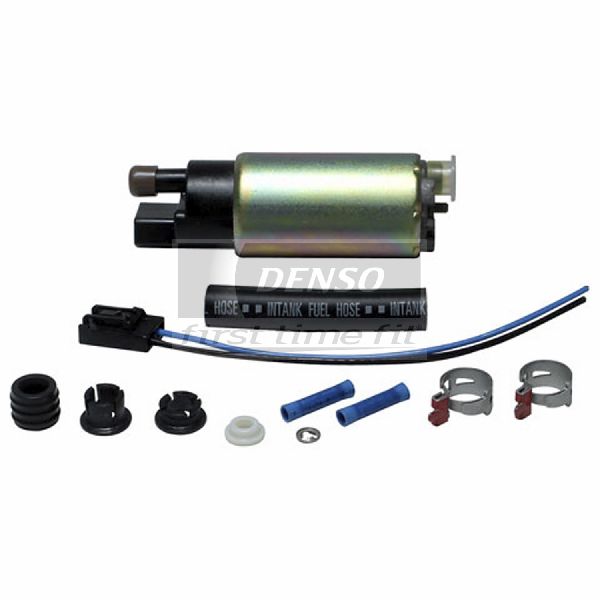
We Have This Part in Stock

The information in this article is provided for general reference and educational purposes only. Vehicle specifications, procedures, and part compatibility can vary by production date, trim level, and region. Always consult your vehicle's factory service manual and verify part numbers before purchasing or performing repairs. Safety-critical components such as airbags, seat belts, and braking systems should be installed by a qualified professional.
- Ford E-150 Econoline: