

A Ford Mustang Owner's Guide to Automatic Transmission Mounts (1986-1996)
Eliminate drivetrain clunks and excessive vibration by choosing the right transmission mount for your Fox Body or SN95 Mustang.
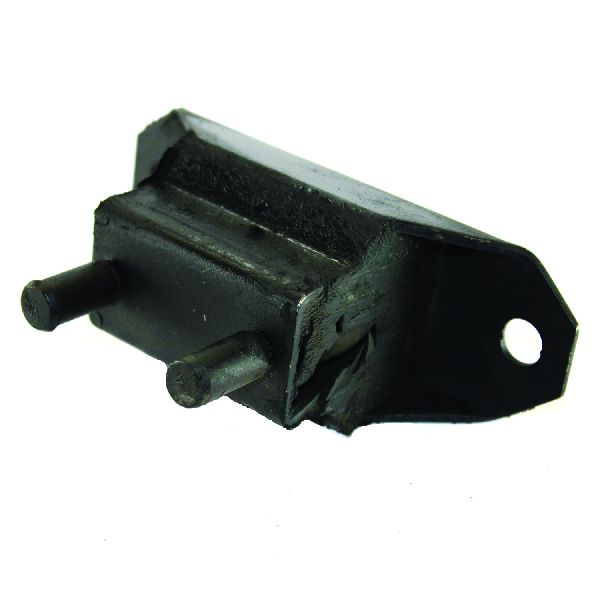
- For a stock feel, Pioneer is a top-tier aftermarket rubber mount; Anchor, DEA, and Westar are budget options.
- Prothane polyurethane mounts offer better performance by limiting movement but will significantly increase cabin vibration.
- Symptoms of failure include clunking when shifting, cabin vibrations, and a shifter that moves during acceleration.
- Replacement is an easy, one-hour DIY job for most home mechanics with basic tools.
Is Your Mustang's Transmission Mount Failing?
A transmission mount is a wear-and-tear item. The original rubber breaks down over decades from exposure to heat, fluids, and constant vibration. When it fails, the transmission is no longer held securely, leading to a number of distinct problems. Ignoring these symptoms can put extra stress on your engine mounts, driveshaft, and exhaust system.
Common Failure Symptoms:
- Clunking or Banging Noises: The most common sign is a loud clunk when you shift gears (especially from Park to Drive or Reverse), accelerate hard, or brake suddenly. This is the sound of the transmission moving excessively and hitting other components.
- Excessive Vibration: You may feel a new or worsening vibration through the floor, seats, or shifter. Since the mount's job is to absorb vibration, feeling it in the cabin means the rubber has likely failed.
- Shifter Movement: With a bad mount, you might see the shifter handle move during acceleration or deceleration. In severe cases, the height of the transmission can change, causing the shifter to hit the center console.
Pro Tip: While you're inspecting the transmission mount, check your engine mounts too. Often, they fail around the same time. A bad transmission mount can put extra strain on engine mounts, and vice-versa. Replacing them together can save you future headaches.
Choosing the Right Aftermarket Mount
When shopping for a new automatic transmission mount, you have two main types to choose from: standard rubber replacements that mimic the original part, and performance-oriented polyurethane mounts.
Performance Upgrade: Polyurethane
For owners who prioritize performance and a connected feel, a polyurethane (or "poly") mount is a popular upgrade. This material is much stiffer than rubber.
- Prothane: This is a well-known brand for polyurethane components. A Prothane mount will significantly reduce drivetrain movement, ensuring more power gets to the wheels. However, there is a major trade-off: a noticeable increase in Noise, Vibration, and Harshness (NVH) will be felt in the cabin, especially at idle and certain RPMs. Some owners find this vibration too harsh for a daily driven car. Installation can sometimes require minor modifications, like widening the mounting holes.
Standard Replacement: Rubber
For most owners, a standard rubber mount provides the best balance of durability and comfort, just like the original factory part. However, not all aftermarket rubber mounts are created equal.
- Tier 1 (OEM-Quality): Pioneer. Forum members and mechanics often report that Pioneer mounts are a high-quality alternative to the original Ford part. They are known for good fit and finish, often looking identical to the factory mount. If you want a hassle-free installation and a smooth, quiet ride, Pioneer is a strong choice.
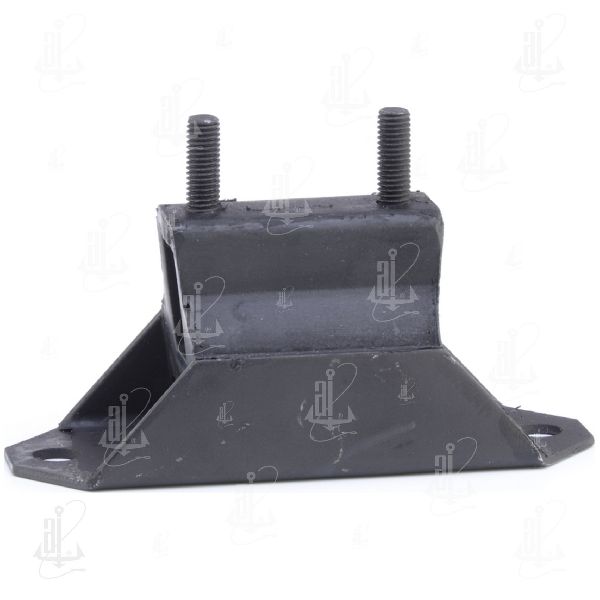
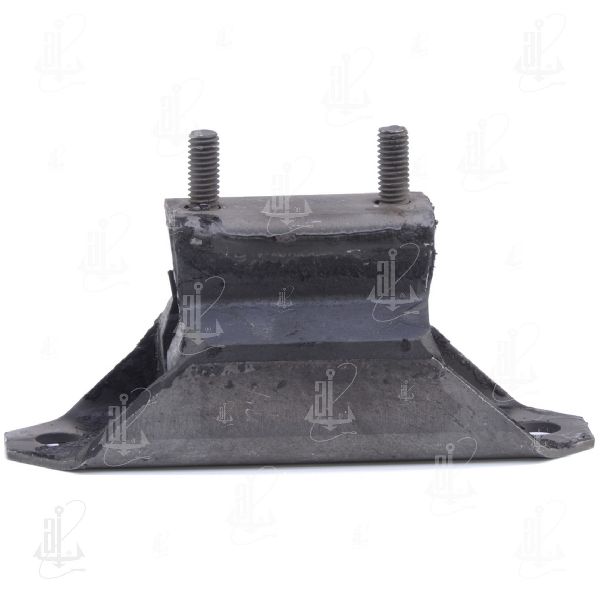
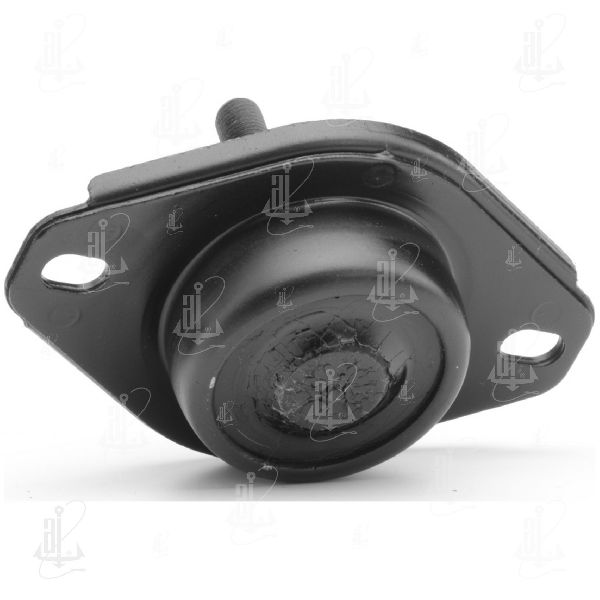
- Tier 2 (Economy): Anchor, DEA, Westar. These brands offer budget-friendly options. While they will function, they are often considered lower quality than OEM or Pioneer. Some Mustang owners have run into issues with fitment, such as the mount being too tall, which can interfere with the exhaust hanger or shifter console alignment. These are a viable option if budget is the primary concern, but be prepared for potential installation adjustments.
Common Ordering Mistake: Some aftermarket mounts, particularly from economy brands, may be slightly taller than your original, collapsed mount. After installation, check that your shifter moves freely without hitting the console and that your exhaust is not in a bind. This height difference is a known issue in the Mustang community.
Cost of Replacing Your Transmission Mount
| Item | Estimated Cost |
|---|---|
| Aftermarket Rubber Mount (Economy) | $15 - $30 |
| Aftermarket Rubber Mount (Premium) | $30 - $55 |
| Polyurethane Performance Mount | $40 - $60 |
| Shop Labor | $100 - $200 |
Frequently Asked Questions
Is this a difficult part to replace myself?
No, this is a great job for a beginner. The process involves safely supporting the vehicle on jack stands, placing a jack with a block of wood under the transmission pan to support it, unbolting the crossmember, and swapping the mount. It typically takes about an hour with basic hand tools.
Are there any recalls for the 1986-1996 Mustang transmission mount?
No. Searches of the National Highway Traffic Safety Administration (NHTSA) database and other sources show no specific recalls or technical service bulletins (TSBs) for the transmission mount on 1986-1996 Ford Mustangs. Recalls found for Mustangs are for much newer models and different transmission components.
Will a new polyurethane mount make my car vibrate?
Yes, almost certainly. Polyurethane is much harder than rubber and does not absorb vibrations as well. Owners who install Prothane mounts consistently report a significant increase in vibration felt inside the car. This is normal for a performance mount but may be undesirable for a comfortable street car.
Why does my shifter hit the console after installing a new mount?
This is a known issue, often caused by the new aftermarket mount being taller than the old, compressed factory mount. This raises the tail of the transmission slightly, changing the shifter's position. If this happens, you may need to try a different brand or consider a polyurethane mount, which sometimes has a lower profile.
Technical Specifications
No recalls or TSBs were found for the automatic transmission mount on 1986-1996 Ford Mustang models.
We Have This Part in Stock


The information in this article is provided for general reference and educational purposes only. Vehicle specifications, procedures, and part compatibility can vary by production date, trim level, and region. Always consult your vehicle's factory service manual and verify part numbers before purchasing or performing repairs. Safety-critical components such as airbags, seat belts, and braking systems should be installed by a qualified professional.
- Ford Mustang: