

Choosing the Right Aftermarket Disc Brake Pads for Your 1986-1996 GMC G3500
Stopping a heavy-duty van like the G3500 requires the right brake pads; here’s how to choose.
- For a heavy G3500, choose pads designed for trucks or severe duty, such as semi-metallic or heavy-duty ceramic options.
- Due to the vehicle's age, always inspect brake hoses and clean and lubricate caliper slide pins during a pad change to prevent pulling and uneven wear.
- Given the low cost, always plan to replace the brake rotors at the same time as the pads for best performance and safety.
- Be aware of a 1990s recall on the ABS system that could cause extended stopping distances; if you have a soft or ineffective pedal, the ABS system may need inspection.
Signs of Failing Brake Pads
Your G3500 will give you warning signs when the brake pads are nearing the end of their life. Ignoring these can lead to more expensive repairs, like replacing rotors or calipers. Be aware of the following symptoms:
- Squealing or Screeching: Most brake pads have a small metal tab called a wear indicator. When the pad material wears down, this tab contacts the rotor and makes a high-pitched noise to alert you it's time for a replacement.
- Grinding Noise: If you hear a deep, metallic grinding sound, it means the pad material is completely gone. Metal is grinding on metal, which damages the rotors and severely reduces stopping power. This is a critical safety issue.
- Pulling to One Side: If the van pulls to the left or right when you brake, it could mean a brake caliper is stuck or there's uneven wear on the pads. This could also be related to a collapsed brake hose.
- Spongy or Soft Brake Pedal: A brake pedal that feels soft or goes closer to the floor than usual can indicate worn pads, low brake fluid, or air in the brake lines.
- Vibration: A pulsing or vibrating feeling in the brake pedal or steering wheel when braking often points to warped brake rotors, which can be caused by worn-out pads creating excessive heat.
Known Issue: 1990s GM ABS Recall
In 1999, General Motors issued a significant recall for millions of 1991-1996 trucks and vans, including G-vans, for issues with the anti-lock brake system (ABS). The issue could cause the system to misread conditions, potentially increasing stopping distances. While this recall is decades old, it's important for owners of these vans to be aware that underlying ABS components could be a source of braking problems if the recall service was never performed. Problems could include a soft pedal or the feeling of the brakes not grabbing effectively.
Choosing the Right Aftermarket Brake Pads
For a vehicle from this era, aftermarket parts are not only common but often offer superior technology compared to the original 1980s and 90s designs. Original Equipment (OEM) pads for a vehicle this old are often discontinued or replaced by the manufacturer's aftermarket line, like AC Delco. The key is to choose a pad that matches your van's use.
Brake Pad Material: What's the Difference?
- Semi-Metallic: These pads are durable and offer great performance under high heat, making them a good choice for a heavy vehicle like the G3500. They are often the standard or heavy-duty option. The downside can be more noise and brake dust.
- Ceramic: Ceramic pads are known for being quiet and producing very little brake dust, keeping your wheels cleaner. They provide smooth, consistent stopping power. For a G3500, it's important to choose a ceramic pad specifically designed for trucks or heavy-duty use, like those from Powerstop's Z-series or other severe-duty lines.
Brand Tiers for Your G3500
With dozens of products available, it helps to think of them in tiers based on quality and intended use.
Economy Brands (Pronto, Total Stopping Solutions, some Dynamic Friction lines):
These are the most affordable options and meet basic safety standards. They are suitable for a van that is driven lightly and not used for heavy hauling. Expect a shorter lifespan and potentially more noise compared to higher-tier options.
Daily Driver / Heavy-Duty Brands (Wagner, Raybestos, Bendix, Bosch, Centric):
These brands are the workhorses of the aftermarket and are trusted by many mechanics. They offer an excellent balance of performance, low noise, and durability for the price. Look for their "Severe Duty" or "Professional Grade" lines for a G3500 used for work or towing. For example, Wagner SD and Bosch Severe Duty pads are specifically designed for the high heat and stress of heavy vehicles.
Performance & Severe Service Brands (Hawk, EBC Brakes, Powerstop):
If you frequently tow heavy loads, have a modified van, or simply want the best possible stopping power, these brands are the top choice. Powerstop's Z36 Truck & Tow and Z17 kits are popular for their increased stopping power and inclusion of all necessary hardware. Hawk and EBC offer various compounds tailored to different levels of aggressive use. These pads will be the most expensive but provide the highest performance ceiling.
Pro Tip: Replace Hardware and Service Calipers
When replacing your brake pads, it's crucial to also replace the mounting hardware (clips and springs). Many quality pad sets include new hardware. Also, take the time to clean and lubricate the caliper slide pins. On these older vans, pins can seize with rust and corrosion, causing pads to wear unevenly and the van to pull to one side.
Frequently Asked Questions (FAQ)
How often do I need to replace the brake pads on my G3500?
There is no set mileage. It depends heavily on your driving style, the loads you carry, and the type of pads you use. A general guideline is to have them inspected every 10,000-15,000 miles. Heavy-duty use in city traffic will wear pads much faster than light-duty highway driving.
Should I replace the brake rotors at the same time as the pads?
It is highly recommended. If your old pads were worn down to the metal, the rotors are almost certainly damaged. Even if not, new pads bed-in best on a fresh, flat rotor surface. Installing new pads on old, worn rotors can cause noise, vibration, and reduced performance. Given the low cost of new rotors for this van, it's a wise investment.
Can I install brake pads myself?
Yes, replacing the front disc brake pads on a 1986-1996 G3500 is a common DIY job for someone with moderate mechanical experience and the right tools. You will need a heavy-duty jack and jack stands, a C-clamp to compress the caliper piston, and basic hand tools. However, brakes are a critical safety system. If you are not 100% confident, have the work done by a qualified mechanic.
What is "bedding-in" and do I need to do it?
Yes. Bedding-in is the process of breaking in your new pads and rotors. It involves a series of controlled stops to transfer an even layer of friction material from the pad to the rotor. This prevents glazing and ensures smooth, powerful braking. Most manufacturers, like Powerstop, provide specific break-in procedures with their pads.
Technical Specifications
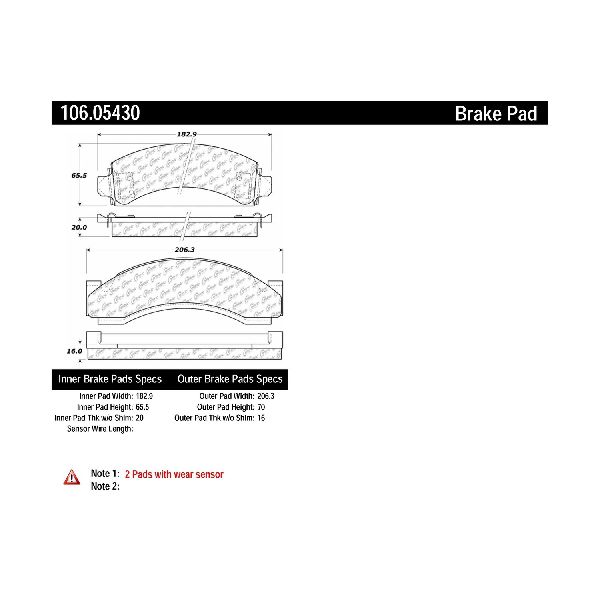
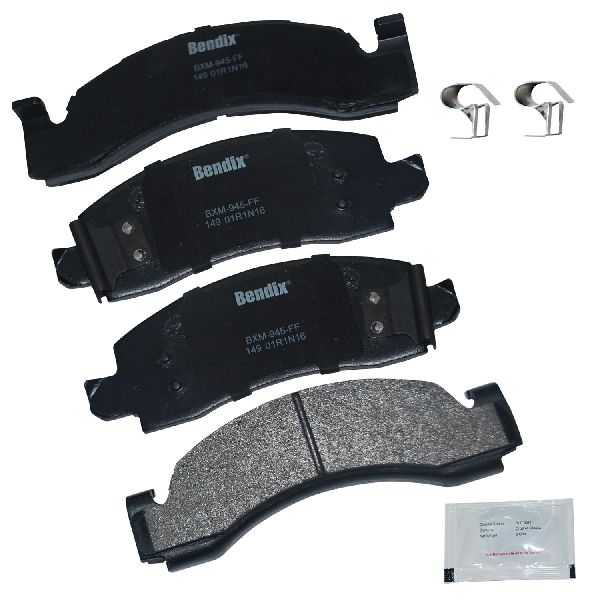
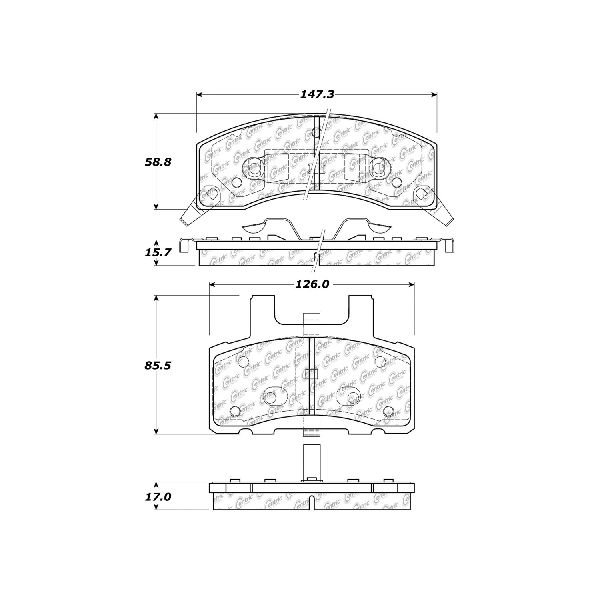
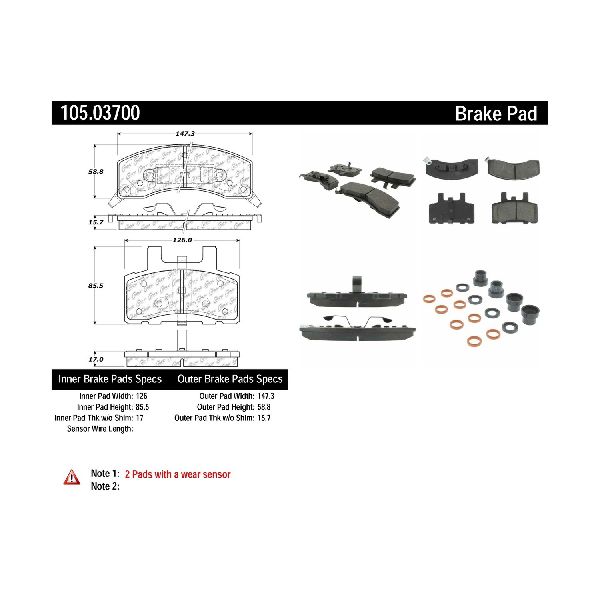
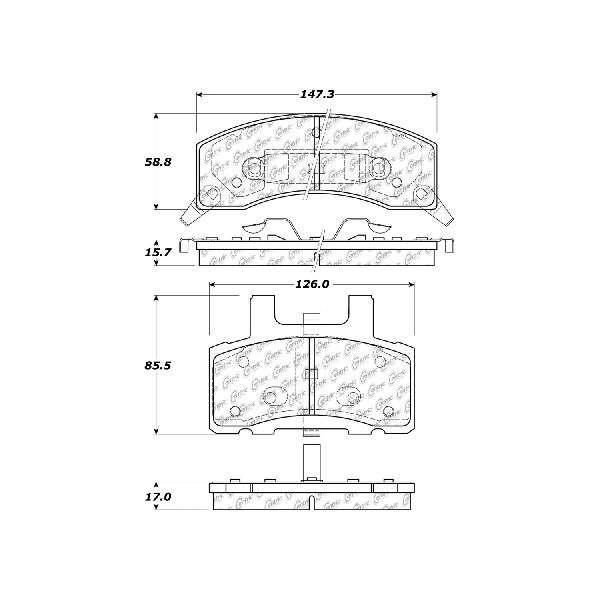
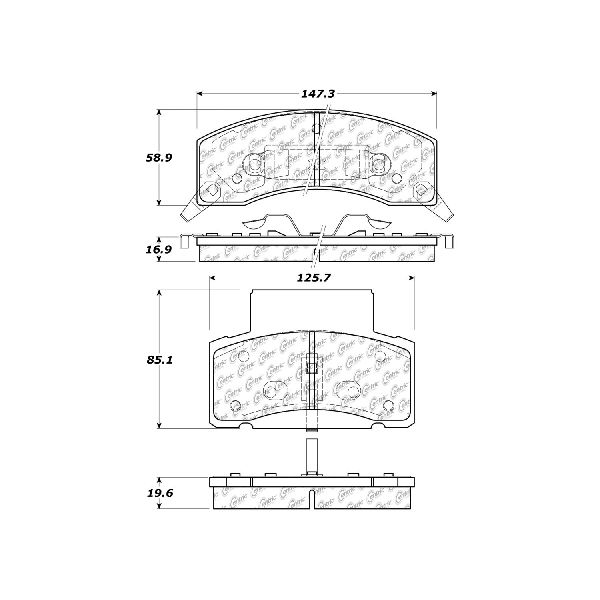
Brake pad fitment can vary based on GVWR (Gross Vehicle Weight Rating) and whether the van has single or dual rear wheels. Always verify the correct part using your vehicle's specific details. Common pad materials for this application are semi-metallic and ceramic. Many quality aftermarket sets will include new shims and hardware.
We Have This Part in Stock

The information in this article is provided for general reference and educational purposes only. Vehicle specifications, procedures, and part compatibility can vary by production date, trim level, and region. Always consult your vehicle's factory service manual and verify part numbers before purchasing or performing repairs. Safety-critical components such as airbags, seat belts, and braking systems should be installed by a qualified professional.
- GMC G3500: