

Chevrolet Caprice Manifold Absolute Pressure (MAP) Sensor Guide (1986-1997)
If your Caprice is running rough, stalling, or getting poor gas mileage, the MAP sensor is a likely culprit.
- A bad MAP sensor causes rough idle, poor MPG, stalling, and hesitation.
- First, check for cracked vacuum hoses (TBI) or a bad grommet (LT1) before replacing the sensor.
- Choose a high-quality brand like ACDelco or Delphi for reliability; it's a critical sensor.
- Replacement is a very easy 15-minute DIY job that can save over $100 in labor.
Is Your Caprice's MAP Sensor Failing?
A bad Manifold Absolute Pressure (MAP) sensor can cause a wide range of engine problems that are often mistaken for more serious issues. Because this sensor directly controls your Caprice's fuel mixture, a faulty one can make your car run poorly, use too much gas, and fail an emissions test. Replacing it is often a simple and effective fix for these frustrating symptoms.
Key Symptoms of a Bad MAP Sensor
- Check Engine Light: This is the most common sign. The computer will store diagnostic trouble codes (DTCs) like P0105, P0106, P0107, or P0108.
- Rough or Unstable Idle: The engine may shake, vibrate, or hunt for a steady RPM when stopped.
- Poor Fuel Economy: A bad sensor can trick the computer into sending too much fuel (running rich) or too little (running lean), hurting your gas mileage.
- Hesitation and Lack of Power: Your Caprice might feel sluggish when you accelerate, as if it's struggling to get going.
- Engine Stalling: The engine may stall unexpectedly, especially after starting or when coming to a stop.
- Black Smoke from Exhaust: If the sensor fails in a way that causes a rich fuel mixture, you may see black smoke coming from the tailpipe.
Generation Differences: TBI vs. LT1
It's crucial to know which engine your Caprice has, as the MAP sensor location and style are different.
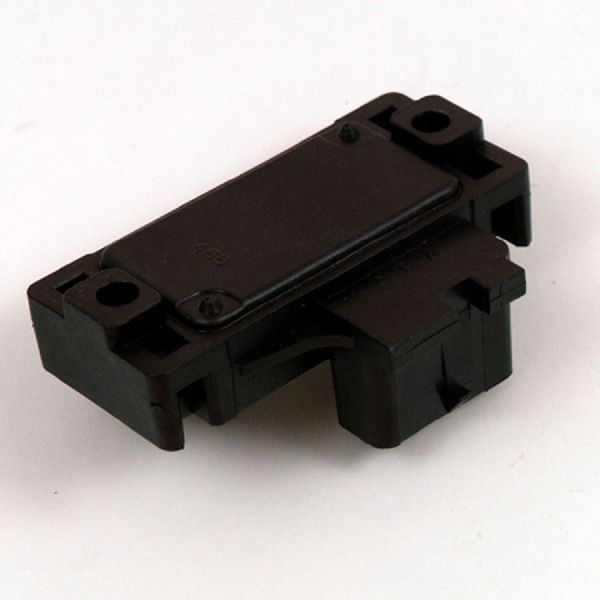
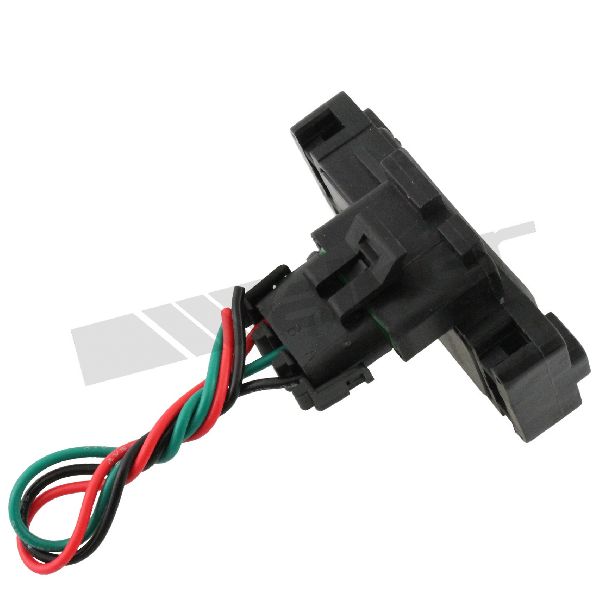
- 1986-1993 (TBI Engines): On cars with Throttle Body Injection (TBI), the MAP sensor is usually not on the engine itself. Look for a small, black plastic box mounted to the firewall or inner fender on the passenger side, connected to the engine by a thin vacuum hose. Often, the problem is a cracked, brittle, or disconnected vacuum hose, not the sensor itself. Always check the hose first.
- 1994-1996 (LT1 Engines): On the later LT1 V8 engines, the MAP sensor is mounted directly on the front of the intake manifold, just behind the throttle body. It is held in by a single bolt or clip and seals with a rubber grommet. When replacing this type, it is a good idea to replace the grommet as well to prevent vacuum leaks.
Pro Tip: Check the Basics First
Before buying a new sensor, inspect the vacuum line (on TBI models) for cracks or loose fittings. On LT1 models, check that the sensor is seated securely. Also, inspect the electrical connector for corrosion or damage. A bad connection can mimic a failed sensor.
Choosing the Right Aftermarket MAP Sensor
For a critical sensor like the MAP, quality matters. While budget parts are available, they can be less accurate or fail prematurely, leaving you with the same problems. Sticking with a known, reputable brand is a smart investment.
- Tier 1 (OEM / Premium): ACDelco, Delphi. ACDelco is the original GM parts brand, offering a direct replacement for the factory part. Delphi was the original parts manufacturer for GM and is considered an OEM-equivalent brand. For guaranteed fit, performance, and longevity, these are the best choices.
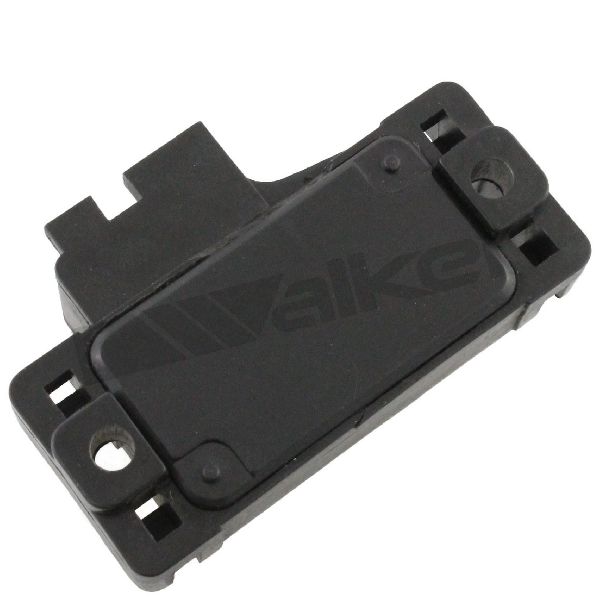
- Tier 2 (Quality Aftermarket): Standard Ignition (SMP), NGK/NTK, Walker Products. These are well-respected aftermarket companies that produce reliable sensors. They offer a good balance of quality and price and are a solid choice if an OEM part is not available or is outside your budget.
- Tier 3 (Economy): Other brands like Spectra, Facet, or store-brand parts fall into this category. While they are the most affordable, their performance and durability can be inconsistent. They may be a temporary solution, but for long-term reliability, a Tier 1 or Tier 2 brand is recommended.
| Part Type | Estimated Cost |
|---|---|
| New Aftermarket (This Inventory) | $32.53 - $99.57 |
| New OEM (ACDelco) | $80 - $140 |
| Shop Labor | $70 - $105 |
| Total Shop Replacement (Est.) | $170 - $243 |
Common Ordering Mistake
The most common mistake is ordering the wrong sensor for your engine. The TBI and LT1 sensors look different and mount in different locations. Double-check whether your car has the remote-mounted TBI sensor or the intake-mounted LT1 sensor before ordering.
Frequently Asked Questions (FAQ)
Is replacing the MAP sensor a DIY job?
Yes, for most owners with basic tools. The job is very simple on both TBI and LT1 engines. It typically involves unplugging an electrical connector, removing a vacuum line or a single bolt, and swapping the sensor. The entire process usually takes less than 15 minutes.
Are there any recalls for the Caprice MAP sensor?
No. There are no active safety recalls or technical service bulletins (TSBs) from GM or the NHTSA specifically for the MAP sensor on the 1986-1997 Chevrolet Caprice.
Do I need to disconnect the battery to change the MAP sensor?
It is always a good practice to disconnect the negative battery terminal before working on any part of your vehicle's electrical system. After replacing the sensor, it's a good idea to clear the check engine light codes with a scanner, or the light may turn off on its own after several drive cycles.
What is the difference between a MAP and MAF sensor?
Your Caprice uses both. The MAP (Manifold Absolute Pressure) sensor measures engine vacuum/pressure. The MAF (Mass Air Flow) sensor, located in the intake tube after the air filter, measures the amount of air entering the engine. The computer uses data from both sensors to precisely control the fuel mixture. While their symptoms can be similar, they are different parts.
Technical Specifications
OEM Part Numbers: 12569240 16254719 16137039
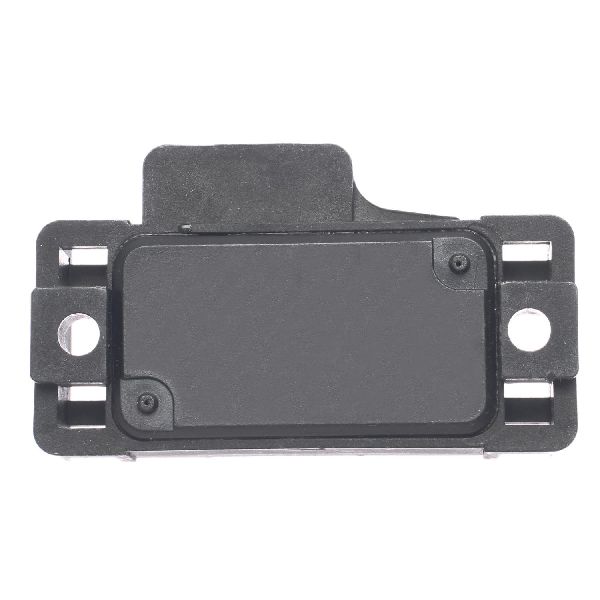
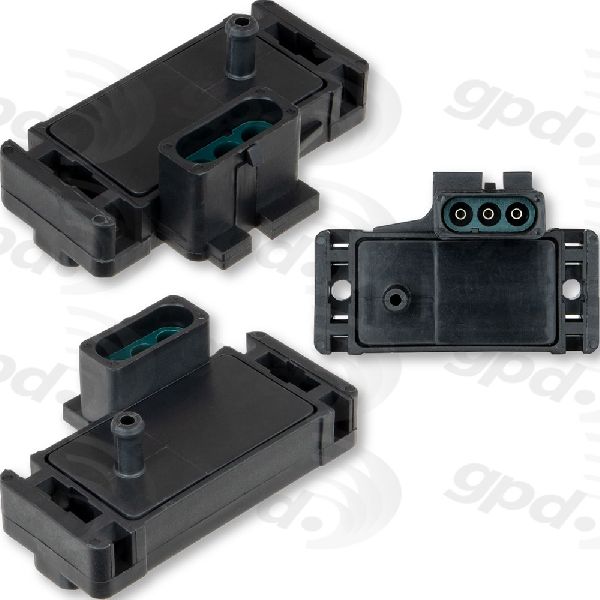
3-pin electrical connector. Mounts directly to intake manifold (LT1) or remotely via vacuum hose (TBI).
We Have This Part in Stock


The information in this article is provided for general reference and educational purposes only. Vehicle specifications, procedures, and part compatibility can vary by production date, trim level, and region. Always consult your vehicle's factory service manual and verify part numbers before purchasing or performing repairs. Safety-critical components such as airbags, seat belts, and braking systems should be installed by a qualified professional.
- Chevrolet Caprice: