

Ford Aerostar Engine Coolant Thermostat Guide (1986-1997)
Keep your Aerostar's engine temperature in check by choosing the right replacement thermostat.
- Stick with the OEM specified 192°F or 195°F thermostat for best performance; a lower temperature can hurt fuel economy.
- A Motorcraft thermostat is the safest bet, but quality aftermarket brands like Gates and Motorad are reliable alternatives.
- Always replace the thermostat gasket and properly bleed air from the cooling system to prevent leaks and overheating.
- Symptoms like an erratic temperature gauge or no heat are strong indicators of a failing thermostat.
Is Your Aerostar's Thermostat Failing?
A bad thermostat can cause problems that seem bigger than they are. It usually fails in one of two ways: stuck open or stuck closed. A stuck-closed thermostat is serious, as it will cause the engine to overheat quickly. A stuck-open thermostat is less urgent but still problematic, leading to poor heat, reduced fuel economy, and potentially a check engine light for code P0128 (Engine Coolant Temperature Below Thermostat Regulating Temperature).
Symptoms of a Bad Thermostat
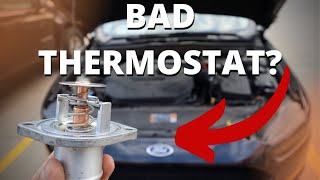
🎬 Watch this video to see common symptoms of a bad thermostat.- Engine Overheating: The temperature gauge shoots into the red. This is the most critical symptom, often caused by a thermostat stuck closed.
- No Cabin Heat: If your heater only blows lukewarm or cold air, your thermostat may be stuck open, preventing the engine from reaching a hot enough temperature.
- Erratic Temperature Gauge: The needle on the gauge swings from hot to cold unexpectedly. This can indicate a thermostat that is sticking or opening and closing at the wrong times.
- Poor Fuel Economy: An engine that runs too cool because of a stuck-open thermostat is less efficient, burning more fuel than necessary.
- Coolant Leaks: A faulty thermostat can sometimes cause leaks around its housing.
Known Issues for Ford Aerostar
While no specific recalls or Technical Service Bulletins (TSBs) target the thermostat itself for the 1986-1997 Aerostar, cooling system issues are common on older vehicles. Problems like coolant loss on the 4.0L engine were sometimes traced to intake manifold gaskets, not the thermostat. Always check for leaks and ensure the system is properly bled of air after any cooling system service to avoid overheating or erratic temperature readings.
Choosing the Right Aftermarket Thermostat
For a vehicle like the Aerostar, you have several good options. The most important factor is getting the correct temperature rating for your engine, which is typically 192°F or 195°F. Using a thermostat with a lower temperature rating is generally not recommended, as it can affect engine performance and fuel efficiency.
Brand Tiers
- OEM (Original Equipment Manufacturer): Motorcraft is Ford's own brand and the safest bet for guaranteed fit and performance. Many owners and mechanics prefer to stick with the OEM part for critical components like a thermostat.
- Top-Tier Aftermarket: Gates is a highly respected name in cooling system parts. While some users report issues, they are generally considered a reliable alternative to OEM.
- Standard Aftermarket: Brands like Motorad and Calorstat offer a good balance of price and quality. Motorad even offers "fail-safe" designs that lock in the open position if they fail, preventing a catastrophic overheating situation.
- Performance Brands: Edelbrock and Mishimoto are known for high-performance parts. While likely overkill for a stock Aerostar, their quality is generally very high. Mr. Gasket also falls into this category, often providing specialty options.
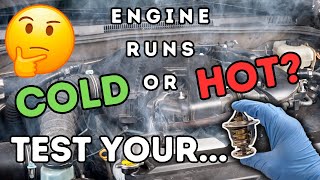
Pro Tip: No matter which brand you choose, it's a good practice to test the new thermostat in a pot of hot water before installation to ensure it opens at the correct temperature. 🎬 Learn how to test and replace your thermostat in ten minutes. Also, always replace the thermostat gasket or O-ring at the same time.
Estimated Costs
| Part Type | Estimated Cost |
|---|---|
| New Aftermarket Thermostat | $7.33 - $68.95 |
| New OEM (Motorcraft) Thermostat | $20 - $40 |
| Shop Labor for Installation | $75 - $150 |
Frequently Asked Questions
What temperature thermostat do I need for my Aerostar?
You should use the OEM-specified temperature, which is typically 192°F or 195°F for both the 3.0L and 4.0L engines. This ensures the engine computer receives the correct temperature readings for optimal fuel mixture and performance. Using a lower temperature thermostat can lead to poor fuel economy and a check engine light.
Should I replace the gasket and housing too?
Yes, you should always replace the gasket or O-ring with a new thermostat to prevent leaks. Inspect the thermostat housing for corrosion, cracks, or warping. On older vehicles like the Aerostar, it's not uncommon for the housing to be degraded, and replacing it at the same time can save you from future leaks.
What is a "fail-safe" thermostat?
A fail-safe thermostat, like some models from Motorad, is designed with a special locking mechanism. If the thermostat fails, it is engineered to lock in the open position. This prevents the engine from overheating by allowing coolant to continuously flow to the radiator. The downside is your engine will run too cool and you'll lose cabin heat, but it avoids the severe engine damage that a stuck-closed failure can cause.
Why is my temperature gauge fluctuating after replacing the thermostat?
If your temperature gauge is still acting erratically after a replacement, the most likely cause is an air pocket trapped in the cooling system. The Ford Aerostar cooling system needs to be properly "burped" to remove all air. Park the vehicle on an incline (nose up) and run it with the radiator cap off to help the air escape. Other potential causes could be a faulty new thermostat or a bad coolant temperature sensor.
Helpful Videos
Technical Specifications
Required Temperature Rating: 192°F or 195°F
We Have This Part in Stock


The information in this article is provided for general reference and educational purposes only. Vehicle specifications, procedures, and part compatibility can vary by production date, trim level, and region. Always consult your vehicle's factory service manual and verify part numbers before purchasing or performing repairs. Safety-critical components such as airbags, seat belts, and braking systems should be installed by a qualified professional.
- Ford Aerostar: