

Ford Aerostar Ignition Control Module: A Guide for 1986-1997 Owners
If your Aerostar stalls when it gets hot and refuses to restart, your ignition control module is the most likely suspect.
- The most common symptom is the engine stalling when hot and restarting only after it cools down.
- You must identify if your module is on the distributor (needs a special tool) or remote-mounted on the fender before buying.
- Always use the entire packet of new thermal paste on the back of the module to prevent it from overheating and failing prematurely.
- For best reliability, use a Motorcraft (OEM) replacement part, as aftermarket modules for these Fords have a reputation for early failure.
Is Your Aerostar Stalling When Hot?
The number one sign of a failing ignition control module in a 1986-1997 Ford Aerostar is an engine that stalls for no reason after it has warmed up. The van may run perfectly fine when cold, but after 20-30 minutes of driving, it might suddenly shut off. Often, it will refuse to start back up until the engine has cooled down completely, which can leave you stranded. This classic heat-related failure was so common that it led to a class-action lawsuit against Ford for these TFI modules in the past.
Distributor-Mounted vs. Remote-Mounted: A Critical Difference
Before buying a new module, you must know which type your Aerostar has. Ford used two different mounting locations during this period, and the parts are not interchangeable.
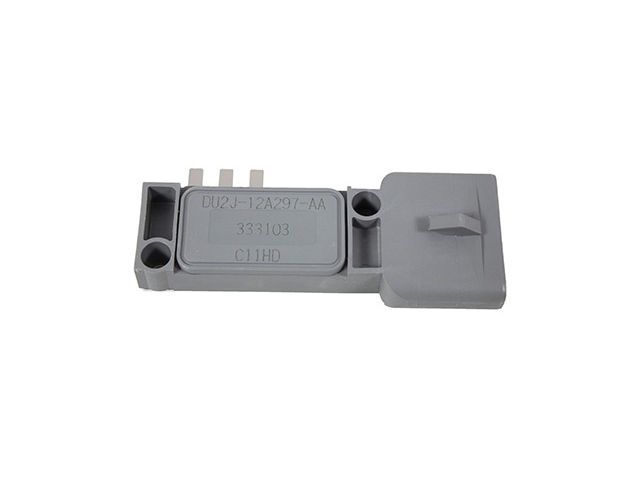
- Distributor-Mounted (Early Models): On earlier Aerostars, particularly those from the mid-to-late 1980s, the ignition module is a gray box bolted directly to the side of the distributor. This location is the reason for the high failure rate, as the module is constantly exposed to intense engine heat. Replacing this type is more difficult and requires a special thin-walled socket (typically 5.5mm or 7/32") to access the small bolts.
- Remote-Mounted (Later Models): Ford eventually recognized the heat issue and moved the module away from the engine. On many 1990s Aerostars, you will find the module mounted on a metal heat sink on the passenger's side inner fender or near the radiator support, often behind the battery. These are much easier to access and replace.
Choosing the Right Aftermarket Module: Brand Tiers
When it comes to Ford ignition parts of this era, brand choice matters. While many aftermarket parts work fine, forum discussions among long-time owners show a clear preference.
- Tier 1 (Best Quality): Motorcraft. This is the original Ford part. For critical components like the ignition module, using Motorcraft is highly recommended for reliability and longevity. Owners who try cheaper brands often report having to replace them again within a year.
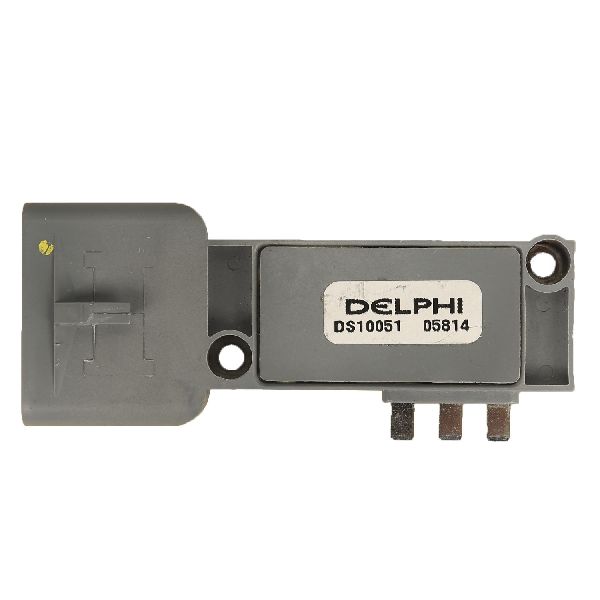
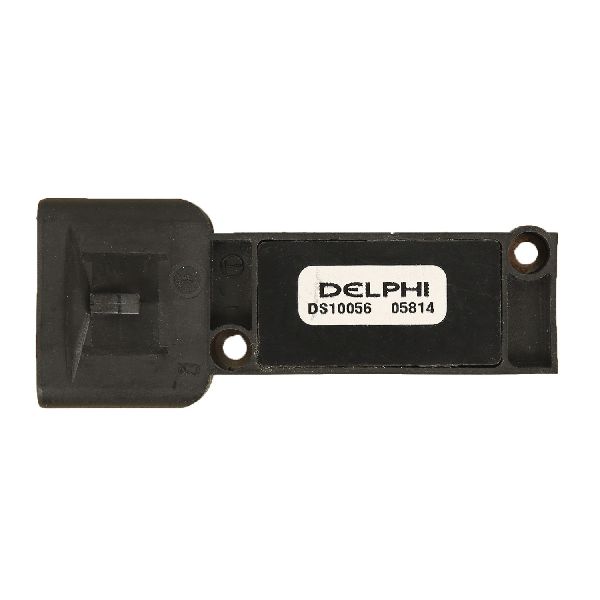
- Tier 2 (Good Quality): Standard Ignition (SMP), Delphi. These are well-known aftermarket brands that are generally considered acceptable alternatives if Motorcraft is not available. They are reputable manufacturers, but for this specific, heat-sensitive part, the consensus is that the original Motorcraft design holds up best.
- Tier 3 (Economy): Store brands and no-name online parts. These are not recommended. The risk of premature failure is very high, and a bad module can leave you stranded without warning. Many owners report these parts being dead on arrival or failing within weeks.
Cost of Replacing an Ignition Control Module
| Part Type | Estimated Cost |
|---|---|
| New Aftermarket (Standard, Delphi) | $82 - $104 |
| New OEM (Motorcraft) | $90 - $120 |
| Shop Labor | $60 - $150 |
Frequently Asked Questions
What are the main symptoms of a bad ignition module?
The most common symptoms are the engine stalling when hot and not restarting until it cools, a complete no-start condition (engine cranks but won't fire), rough idling, engine misfiring, and a tachometer needle that bounces erratically.
Can I replace the ignition module myself?
Yes, this is a DIY-feasible job. If your module is remote-mounted on the fender, it's a simple unbolt-and-replace task, though you may need to remove the battery for access. If it's on the distributor, it's more challenging and requires a special thin-walled 5.5mm or 7/32" socket. In either case, cleaning the mounting surface and applying new thermal paste is critical.
Why is the thermal paste so important?
The module gets very hot during operation. The thermal paste (a white, silicone-based compound) helps transfer that heat away from the module and into the metal it's mounted on. Without it, the module cannot cool itself properly and will quickly overheat and burn out, often within minutes of running.
Are there any recalls for the Aerostar ignition module?
No, there are no official NHTSA recalls for the ignition control module on the 1986-1997 Ford Aerostar. However, the high failure rate of the part on many Ford vehicles of the era did lead to a class-action lawsuit, acknowledging the widespread problem with heat-related failures.
Technical Specifications
OEM Part Numbers: 5U2Z-12A297-D F0TZ-12K072-B F4ZZ-12K072-B DY1077
Varies by location (Distributor-mounted or Remote-mounted). Requires application of silicone-based thermal compound for heat dissipation.
We Have This Part in Stock


The information in this article is provided for general reference and educational purposes only. Vehicle specifications, procedures, and part compatibility can vary by production date, trim level, and region. Always consult your vehicle's factory service manual and verify part numbers before purchasing or performing repairs. Safety-critical components such as airbags, seat belts, and braking systems should be installed by a qualified professional.
- Ford Aerostar: