

Ford Aerostar Throttle Position Sensor: A Guide for 1986-1997 Models
Solving common hesitation, stalling, and shifting problems in your Ford Aerostar starts here.
- Common symptoms of a bad TPS include hesitation, erratic idle, stalling, and poor automatic transmission shifting.
- Replacement is very easy and can be done in under 30 minutes with basic tools, making it a great DIY repair.
- For best results and longevity, choose a high-quality replacement from brands like Motorcraft, Standard Ignition, or Walker Products.
- Owners of 1997 models should be aware of a throttle cable recall (NHTSA 00V425000) that can cause similar symptoms.
Is Your Aerostar Running Rough? It Could Be the TPS.
If your 1986-1997 Ford Aerostar is experiencing drivability issues, a failing Throttle Position Sensor (TPS) is a common culprit. This sensor is a simple potentiometer that wears out over time, leading to incorrect signals being sent to your van's computer. This can cause a host of problems that often seem more serious than they are.
Symptoms of a Failing Throttle Position Sensor
A bad TPS can make your Aerostar difficult or frustrating to drive. Watch for these common signs:
- Hesitation or Stumbling: The van may hesitate or bog down when you press the gas pedal.
- Poor or Erratic Idle: The engine may idle too high, too low, or surge up and down.
- Stalling: The engine might stall when you come to a stop or when you let off the gas.
- Transmission Shifting Problems: With an automatic transmission, you might experience harsh shifts, delayed shifts, or the transmission may not shift into the correct gear.
- Lack of Power: The van may feel sluggish and have trouble accelerating.
- Check Engine Light: A failing TPS can trigger the Check Engine Light, though it won't always.
Throttle-Related Safety Recall for 1997 Aerostar
The NHTSA issued recall 00V425000 for some 1997 Ford Aerostars concerning the throttle cable. Increased friction could cause the throttle to be slow to return to idle or even get stuck, creating a significant safety risk. While not a TPS failure, if you are having throttle-related problems on a '97 model, you should investigate if this recall applies to your vehicle.
Choosing the Right Aftermarket TPS
For an older vehicle like the Aerostar, you have a wide range of aftermarket options. Quality can vary significantly, so it's important to understand the difference.
Tier 1: OEM (Motorcraft)
Motorcraft is Ford's own parts brand. Choosing a Motorcraft TPS guarantees a perfect fit and the same quality as the part your Aerostar came with from the factory. For peace of mind and the highest likelihood of fixing the problem correctly the first time, Motorcraft is the best choice, though it is also the most expensive.
Tier 2: Premium Aftermarket (Standard Ignition, Walker Products)
Brands like Standard Motor Products and Walker Products have a long history of making reliable aftermarket parts. They engineer their components to meet or exceed OEM specifications and perform extensive testing. These brands offer a great balance of quality and price, often providing near-OEM performance for less money.
Tier 3: Value Brands (Global Parts, Motorad, Replacement, True Tech)
These brands focus on providing a functional replacement at the lowest possible cost. While they can get your van back on the road, they may not have the same durability or precise calibration as premium options. For a daily driver, it's often worth spending a little more for a Tier 1 or Tier 2 part to avoid replacing it again in the near future.
Pro Tip: Check Connectors First!
Before you replace the TPS, inspect the wiring and electrical connector. Sometimes, corrosion or a loose connection is the real problem. Unplug the sensor, clean both the sensor pins and the connector with electrical contact cleaner, and ensure it makes a solid connection. This simple step can sometimes save you the cost of a new part.
Typical Replacement Costs
The cost to replace a TPS on an Aerostar is very reasonable, especially if you do it yourself.
| Item | Estimated Cost |
|---|---|
| New Aftermarket Part | $9 - $75 |
| New OEM (Motorcraft) Part | $75 - $100 |
| Shop Labor | $50 - $100 |
Frequently Asked Questions
Do I need to calibrate or program a new TPS?
No. The Ford EEC-IV computer in the 1986-1997 Aerostar has a self-calibration feature. It automatically learns the closed-throttle voltage of the new sensor, so no manual adjustment or programming is needed.
Can a bad TPS really cause transmission problems?
Yes. The computer uses the TPS signal to help decide when to shift gears and control line pressure in the automatic transmission. An incorrect signal can lead to harsh, erratic, or delayed shifting. Many owners have chased expensive transmission issues when the real problem was a simple, cheap TPS.
Is it hard to replace the TPS myself?
No, this is one of the easiest repairs you can do. The TPS is located on the side of the throttle body, held on by two screws. The entire job typically takes less than 30 minutes with basic hand tools. Just disconnect the battery first.
Should I just buy the cheapest TPS available?
While tempting, it's often not the best idea. The TPS provides a critical signal, and cheap, low-quality sensors can be inaccurate right out of the box or fail quickly. This can lead to continued frustration and wasted time. Investing in a quality part from Motorcraft, Standard Ignition, or Walker Products is recommended for long-term reliability.
Technical Specifications
OEM Part Numbers: F57Z9B989A F2AZ9B989AA F07Z9B989B F37Z9B989B CX1542 CX1352
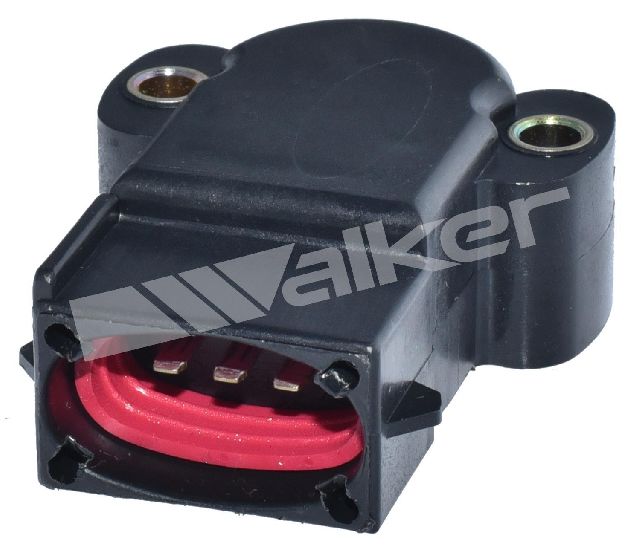
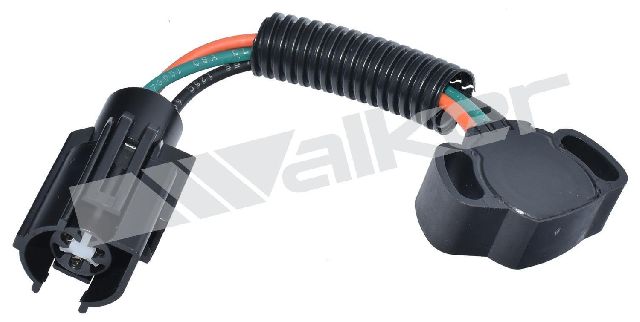
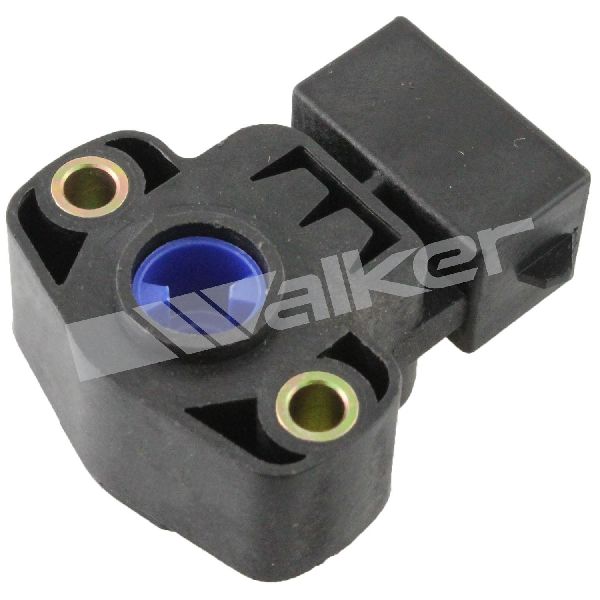
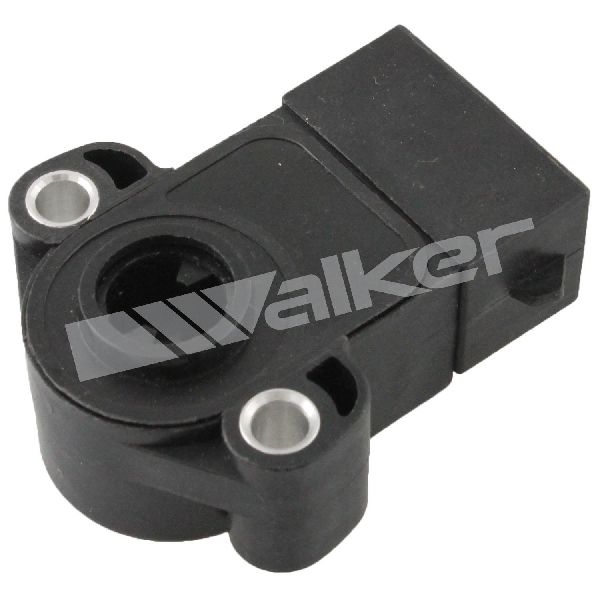
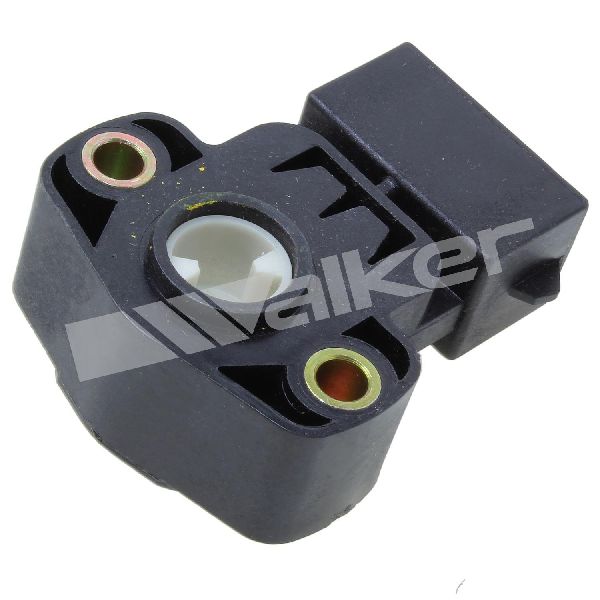
The sensor is a 3-terminal potentiometer that mounts to the side of the throttle body. It uses a 5-volt reference signal from the engine computer.
We Have This Part in Stock


The information in this article is provided for general reference and educational purposes only. Vehicle specifications, procedures, and part compatibility can vary by production date, trim level, and region. Always consult your vehicle's factory service manual and verify part numbers before purchasing or performing repairs. Safety-critical components such as airbags, seat belts, and braking systems should be installed by a qualified professional.
- Ford Aerostar:
- 🛍️ Shop This Part
- Is Your Aerostar Running Rough? It Could Be the TPS.
- Symptoms of a Failing Throttle Position Sensor
- Throttle-Related Safety Recall for 1997 Aerostar
- Choosing the Right Aftermarket TPS
- Pro Tip: Check Connectors First!
- Typical Replacement Costs
- Frequently Asked Questions
- 🎟️ Get 5% Off