

Ford Taurus Engine Oil Pressure Switch Guide: 1986-1998
Understanding the oil pressure warning light on your 1986-1998 Ford Taurus and how to fix it.
- Do not drive if the oil light is on; stop the engine immediately to prevent catastrophic damage.
- Always check the engine oil level first; a low oil level will also trigger the light.
- A flickering light at idle that goes away with acceleration is a classic symptom of a failing switch.
- This is an inexpensive and straightforward DIY repair for most home mechanics.
Is Your Taurus Oil Light Flickering? Don't Ignore It.
A flickering or steady oil pressure light on the dashboard is one of the most common signs of a problem with the oil pressure switch, especially at idle. While it can indicate a serious issue like low oil pressure, it's often caused by a faulty switch sending a false signal. Before assuming the worst, it's important to rule out the simple-to-fix sensor.
Symptoms of a Failing Oil Pressure Switch
A bad oil pressure switch can cause several confusing symptoms. Here’s what to look for on your 1986-1998 Taurus:
- Oil Light On or Flickering: The most common symptom is the oil pressure warning light illuminating or flickering, especially when the engine is warm and idling. The light might go away when you accelerate.
- Erratic or Zero Gauge Reading: If your Taurus has an oil pressure gauge, a bad sending unit can cause the needle to behave erratically, pegging at maximum, or dropping to zero.
- Oil Leak: The switch itself can fail, developing a crack or seal failure. This can cause oil to leak from the sensor's body or through its electrical connector. You might notice a small puddle under the car or a burning oil smell if it drips on hot engine parts.
- Check Engine Light: A faulty switch can sometimes trigger the Check Engine Light, potentially with code P0520, which indicates a malfunction in the oil pressure sensor circuit.
Choosing the Right Aftermarket Part
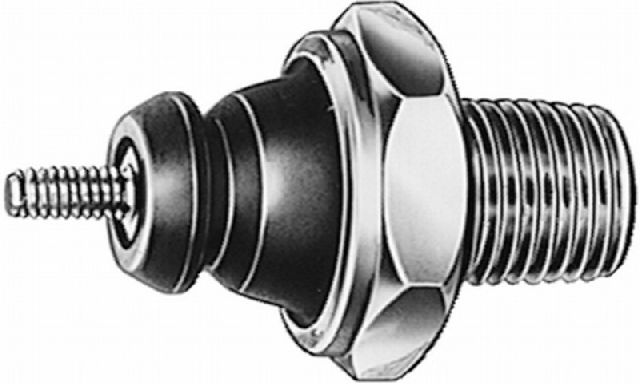
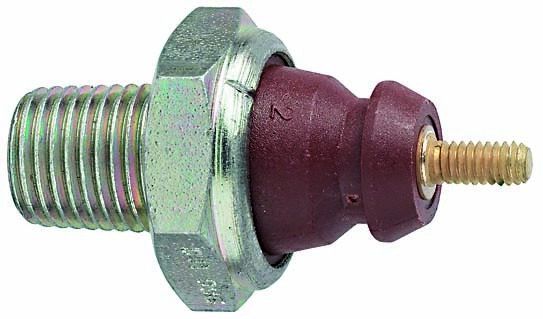
For a vehicle like the 1986-1998 Taurus, aftermarket oil pressure switches offer good value. OEM parts are available but can be more expensive, and for a simple switch, the quality difference is often minimal. Here’s a look at the available brands:
- Standard Ignition (SMP): A widely available and well-known aftermarket brand. They are a common choice for replacement sensors, though online forum discussions show mixed long-term reliability experiences. Their 'Blue Streak' line is often considered higher quality.
- Facet: An established Italian manufacturer with a long history. They are generally considered a reliable aftermarket option and a solid choice for this repair.
- Hella: A reputable German brand known for quality electronics and lighting. While less commonly discussed for this specific part, Hella generally maintains a good reputation.
- Rostra Powertrain & Global Parts: These brands fall into the value-oriented category. They provide a cost-effective solution, but less independent data is available regarding their long-term performance and durability.
Typical Replacement Costs
Replacing the oil pressure switch is an inexpensive repair, especially if you do it yourself.
| Part/Service | Estimated Cost |
|---|---|
| New Aftermarket Switch | $6.99 - $40.67 |
| Shop Labor | $90 - $150 |
| DIY Total | $7 - $41 |
| Shop Total | $97 - $191 |
Frequently Asked Questions
Can I drive with the oil pressure light on?
No. You should pull over and shut off the engine as soon as it is safe to do so. While the problem could be a simple faulty switch, it could also be a critical loss of oil pressure that can destroy your engine within minutes. It is not worth the risk.
Where is the oil pressure switch located on my Taurus?
The location can vary slightly depending on your engine (e.g., 3.0L vs 3.8L). It is typically screwed into the engine block. On many Taurus models, it is found near the oil filter or on the driver's side of the engine, sometimes below the throttle body and near the transmission dipstick. You may need to remove the air intake box for easier access.
Is this a difficult repair to do myself?
No, this is a great DIY job for beginners. It typically involves unplugging the electrical connector, using a deep socket (often 21mm or a special oil pressure switch socket) to unscrew the old switch, and then screwing in the new one. The new part usually has a thread sealant already applied. The most difficult part is often just reaching the switch.
What is the P0520 trouble code?
P0520 stands for "Engine Oil Pressure Sensor/Switch Circuit Malfunction." This means the vehicle's computer has detected a problem with the signal from the sensor. It could be a bad sensor, a wiring problem, or an issue with the computer, though the sensor itself is the most common cause.
Were there any recalls for this part?
No specific recalls or Technical Service Bulletins (TSBs) were found for the engine oil pressure switch on the 1986-1998 Ford Taurus. Recalls for oil pressure issues on other Ford models do not apply to this vehicle and part.
Technical Specifications
OEM Part Numbers: F5RZ-9278-A E9SZ-9278-A F8AZ-9278-AA D4AZ-9278-A
Typically a single-pin electrical connector. Thread size and pressure settings vary by engine and model year. New parts often include pre-applied thread sealant.
We Have This Part in Stock


The information in this article is provided for general reference and educational purposes only. Vehicle specifications, procedures, and part compatibility can vary by production date, trim level, and region. Always consult your vehicle's factory service manual and verify part numbers before purchasing or performing repairs. Safety-critical components such as airbags, seat belts, and braking systems should be installed by a qualified professional.
- Ford Taurus: