

Saab 9000 Engine Coolant Temperature Sensor: A Guide for 1986-1998 Models
Solving poor running, bad fuel economy, and starting issues on your Saab 9000 often starts with this critical sensor.
- Confirm you are replacing the correct part: the ECU sensor, not the dashboard gauge sender.
- A faulty sensor directly causes poor fuel economy, black smoke, and hard starting.
- Choosing a trusted brand like Bosch or Hella is highly recommended for accuracy and longevity.
- Replacement is simple, inexpensive, and can be done at home with basic tools in under an hour.
Is a Bad Coolant Temperature Sensor Causing Your Problems?
A failing Engine Coolant Temperature Sensor (ECTS) sends incorrect information to your Saab's engine computer. This can make the computer think the engine is cold when it's actually warm. As a result, the computer will inject too much fuel, leading to a 'rich' running condition. The symptoms of a bad ECTS can often be mistaken for other fuel system or ignition problems.
Common signs of failure include:
- Poor fuel economy
- Black smoke coming from the exhaust pipe
- Difficulty starting the engine, especially when warm
- Rough or unstable idle
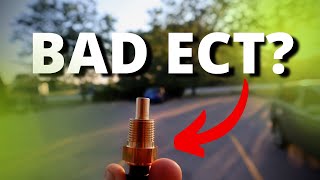
- Check Engine Light is on (often with codes P0115, P0116, P0117, or P0118) 🎬 Watch: A visual guide to symptoms of a bad sensor
ECU Sensor vs. Gauge Sender
Your Saab 9000 has two separate parts for temperature reading. One is the ECTS (this part) which sends information to the engine computer. The other is a temperature sender which operates the gauge on your dashboard. If your temperature gauge is acting erratically but the car runs fine, you likely need the gauge sender, not the ECTS. If the car runs poorly but the gauge seems normal, the ECTS is the likely culprit.
Choosing the Right Aftermarket Sensor for Your Saab 9000
When it comes to critical engine sensors for a Saab, brand quality matters. While many options are available, they generally fall into three tiers. For a part this important to engine performance, choosing a higher-quality brand is strongly recommended.
Tier 1: OEM Supplier & Premium Brands
These brands are either the original equipment manufacturer (OEM) or have a long-standing reputation for quality that matches or exceeds OEM standards. For a Saab 9000, this is the safest choice for reliability and accurate performance.
- Bosch: As a supplier for Saab's original fuel injection systems, Bosch is a trusted OEM-equivalent choice. Their sensors are known for providing accurate readings and long service life.
- Hella: Another top-tier German brand with a strong reputation in automotive electronics.
- NGK/NTK: While famous for spark plugs, their sensor line (NTK) is also highly regarded for its quality and precision.
Tier 2: Reputable Aftermarket Brands
These brands offer a good balance of quality and value. They are generally reliable and a solid choice if an OEM-supplier part is not available.
- Standard Ignition (SMP): A well-known aftermarket manufacturer that produces reliable sensors.
- Vemo: Often sources parts from OEM manufacturers and re-boxes them, providing a quality alternative.
- Facet: An established European brand that produces a wide range of engine management components.
Tier 3: Economy Brands
This category includes brands focused on the lowest price point. While tempting, be aware that the quality and accuracy can be inconsistent. An inaccurate sensor can cause performance issues right out of the box, negating any initial savings.
- URO Parts: Known for affordable European car parts, but quality can be a mixed bag for electronic components.
- Professional Parts Sweden (PPS): Offers a wide range of Saab parts at budget prices.
- Other private-label and budget brands.
Pro Tip: Given the low cost of even the best brands for this part, spending a few extra dollars on a Bosch or Hella sensor is a wise investment to avoid future headaches and ensure your Saab runs as it should.
Typical Replacement Costs
The cost to replace the ECTS on a Saab 9000 is relatively low. The part itself is inexpensive, and labor is minimal for a professional mechanic.
| Item | Estimated Cost |
|---|---|
| New Aftermarket Part | $10 - $58 |
| Genuine Saab / OEM Part | $25 - $40 |
| Shop Labor | $50 - $150 |
| Total Estimated Cost | $60 - $208 |
Frequently Asked Questions (FAQ)
Where is the ECTS located on the Saab 9000?
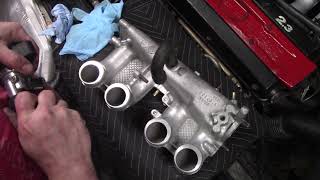
The Engine Coolant Temperature Sensor for the ECU is located on the intake manifold, positioned between the runners for cylinders 2 and 3. It screws directly into a coolant passage to get an accurate reading.
Can I replace this sensor myself?
Yes, this is a DIY-friendly job for most home mechanics. The process involves letting the engine cool completely, disconnecting the electrical plug, and using a deep socket (often 19mm) to unscrew the old sensor. Have the new sensor ready to install quickly to minimize coolant loss. A small amount of coolant will spill. Always top off the coolant afterward.
🎬 See this walkthrough of a Saab 9000 sensor replacementWhat happens if I don't replace a bad sensor?
Driving with a faulty ECTS will cause the engine to run inefficiently. You will experience poor fuel mileage and sluggish performance. Over time, the constant rich fuel mixture can damage your catalytic converter, which is a much more expensive repair.
Can I test my old sensor before buying a new one?
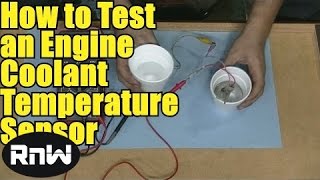
Yes. A technician can use a scan tool to read the live data from the sensor to see if it's providing logical readings as the car warms up. You can also test it with a multimeter set to Ohms. The sensor's resistance should decrease smoothly as it gets warmer. 🎬 Watch: How to test your sensor using a basic multimeter However, given the low cost of a new, high-quality sensor, replacement is often the most efficient solution.
Helpful Videos
Technical Specifications
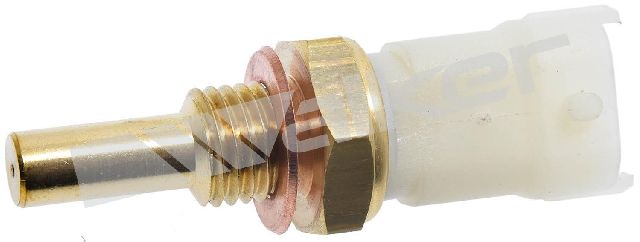
OEM Part Numbers: 15393755 9177213 5959283 90510183 4770228 4503132
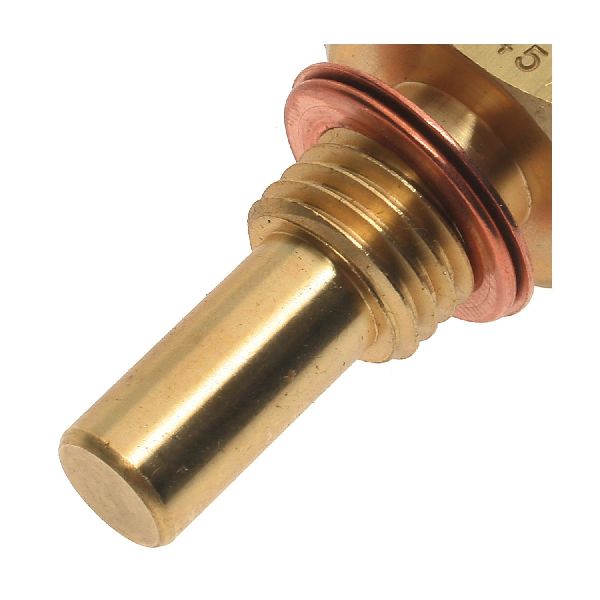
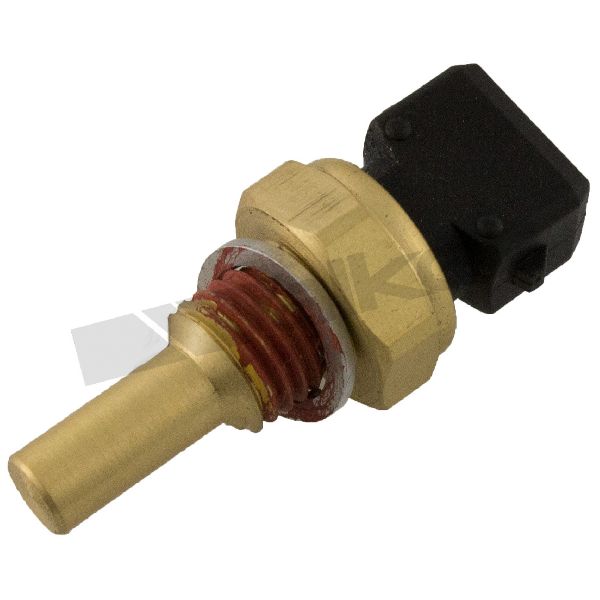
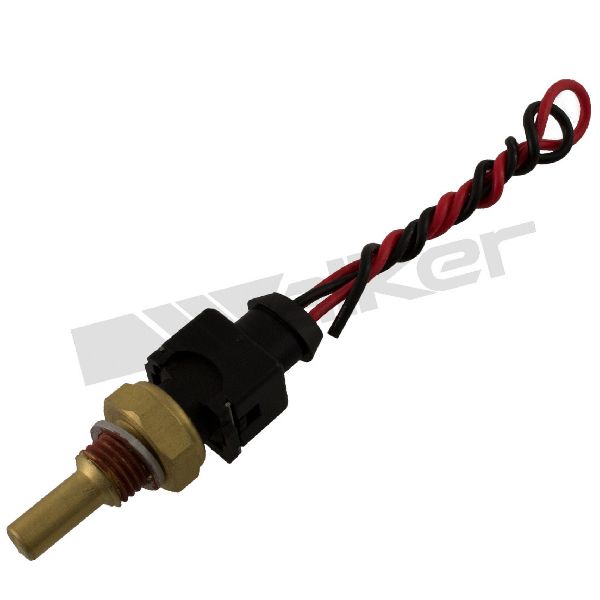
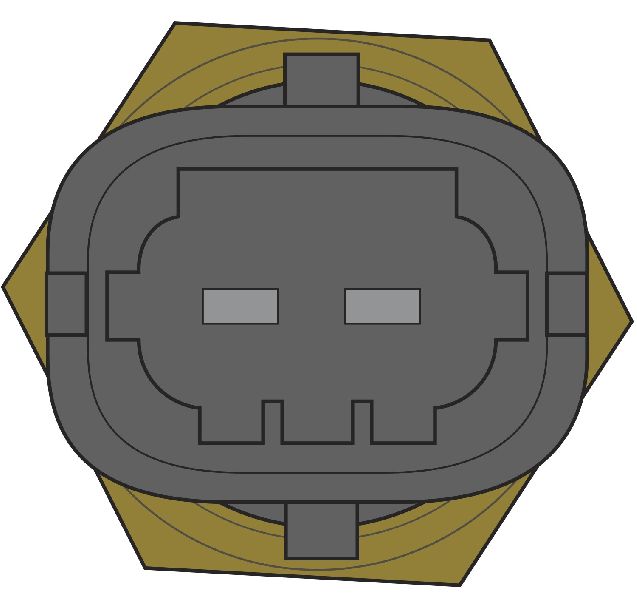
The sensor is a 2-pin NTC (Negative Temperature Coefficient) thermistor. It typically has a green or blue plastic connector and M12x1.5 threads.
We Have This Part in Stock


The information in this article is provided for general reference and educational purposes only. Vehicle specifications, procedures, and part compatibility can vary by production date, trim level, and region. Always consult your vehicle's factory service manual and verify part numbers before purchasing or performing repairs. Safety-critical components such as airbags, seat belts, and braking systems should be installed by a qualified professional.
- Saab 9000:
- 🎬 Helpful Videos
- 🛍️ Shop This Part
- Is a Bad Coolant Temperature Sensor Causing Your Problems?
- ECU Sensor vs. Gauge Sender
- Choosing the Right Aftermarket Sensor for Your Saab 9000
- Tier 1: OEM Supplier & Premium Brands
- Tier 2: Reputable Aftermarket Brands
- Tier 3: Economy Brands
- Typical Replacement Costs
- Frequently Asked Questions (FAQ)
- 🎟️ Get 5% Off