

Choosing the Right Aftermarket Spark Plugs for Your 1986-1998 Saab 9000
Keep your classic Saab's unique engine running smoothly by selecting the correct spark plugs and avoiding common issues.
- Only use NGK resistor-type spark plugs, as the Saab Trionic ignition system is specifically designed for them.
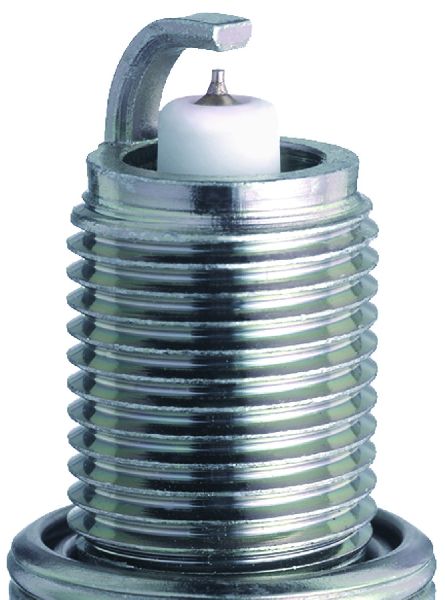
- Always check and set the spark plug gap to the correct specification (typically 1.0mm-1.1mm) before installation.
- Using incorrect plugs or gaps can cause misfires that may damage the expensive Direct Ignition (DI) cassette.
- Change standard copper plugs frequently (every 10-15k miles) for optimal performance and system health.
Signs of Failing Spark Plugs
Worn or incorrect spark plugs in a Saab 9000 can cause noticeable problems. Because the ignition system is so sensitive, especially on turbo models, symptoms often appear quickly. You might experience a rough idle, hesitation when accelerating, or a general loss of power. Engine misfires, particularly under boost (when the turbo is active), are a classic sign of a spark plug issue. Other indicators include reduced fuel economy and difficulty starting the engine. If you see a check engine light, it could be related to a misfire caused by bad plugs.
Choosing the Right Aftermarket Spark Plugs
For the Saab 9000, not all aftermarket spark plugs are created equal. The overwhelming consensus among Saab owners and mechanics is to use NGK spark plugs, as they were the original equipment manufacturer (OEM) brand. The Trionic ignition system is specifically calibrated for the properties of NGK resistor plugs. Using other brands can lead to misfires, poor performance, and even damage to the Direct Ignition cassette.
Recommended Aftermarket Brand Tiers
| Tier | Brands | Assessment |
|---|---|---|
| Tier 1: Recommended | NGK | The OEM supplier and the universally recommended choice. Provides reliable performance and is essential for the proper function of the Trionic DI system. Specific models like BCPR7ES-11 are standard for turbo engines. |
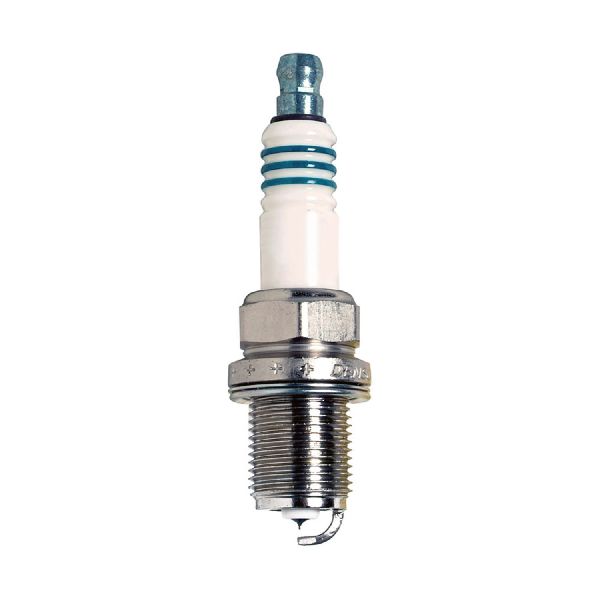
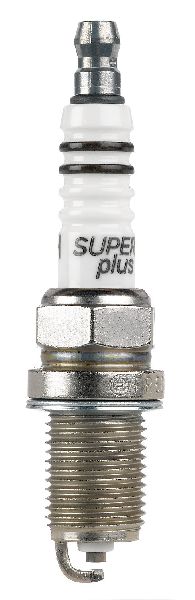
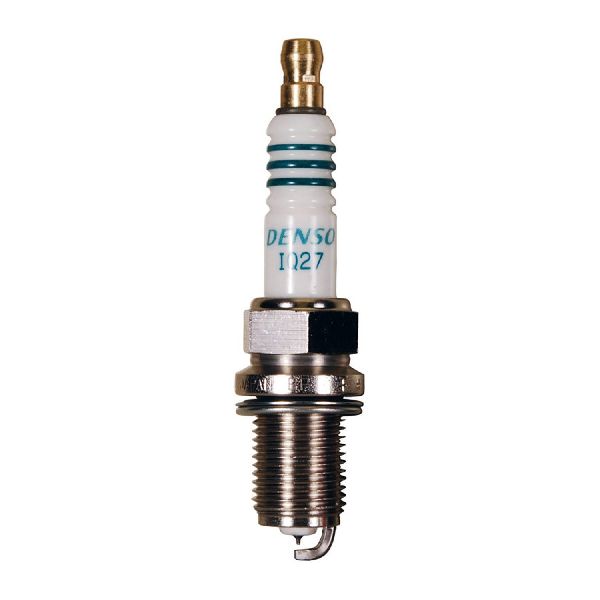
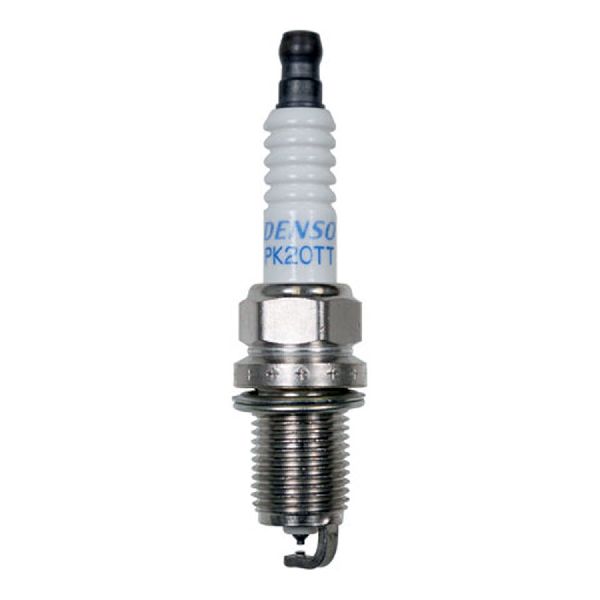
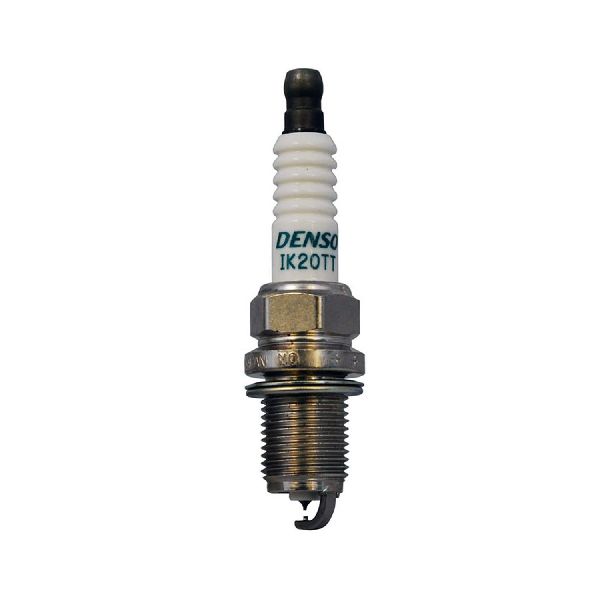
| Tier 2: Use with Caution | Bosch, Denso | While reputable brands, they are not the OEM choice. Some owners may use them without issue, particularly in non-turbo or older, non-DI models, but they are generally not recommended for DI-equipped cars due to the risk of performance problems. |
| Tier 3: Not Recommended | Autolite, Champion, MSD, Skyward | Using spark plugs from these brands in a Saab 9000, especially a turbo model with a DI cassette, is strongly discouraged by the Saab community. The risk of running issues and potential damage to the ignition system is high. |
Known Issues & Vehicle-Specific Advice
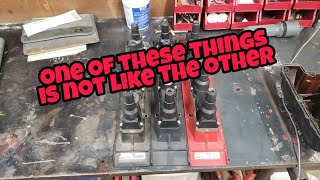
The most significant known issue is the sensitivity of the red Direct Ignition (DI) cassette, used on most 1990-1998 models. This unit relies on specific resistor-type NGK spark plugs to function correctly. Using the wrong plugs or an incorrect gap can cause misfires that can permanently damage the DI cassette, a costly part to replace. Always verify the correct spark plug and gap for your specific engine (turbo vs. non-turbo). For example, the NGK BCPR7ES-11 is widely cited for turbo models, while the BCPR6ES-11 is for non-turbo DI cars. Early models (approx. 1986-1989) without a DI cassette use a traditional distributor and are less sensitive, but NGK plugs are still highly recommended.
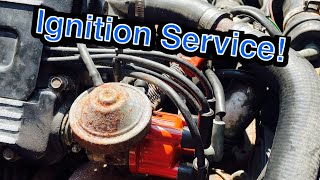
🎬 Watch how to replace the distributor cap on older models.Pro Tip: When changing plugs on a DI-equipped engine, apply a small amount of dielectric grease to the inside of the cassette's rubber boots. This prevents spark from arcing down the outside of the plug, which can cause a severe misfire and damage the cassette.
Cost of Aftermarket Spark Plugs (1986-1998 Saab 9000)
The price for a single spark plug can vary based on the brand and materials (copper, iridium, etc.). Below is a general cost estimate.
| Category | Price Range (per plug) | Notes |
|---|---|---|
| Recommended Aftermarket (NGK) | $3.23 - $5.00 | Standard copper NGK plugs like the BCPR7ES-11 are affordable and the recommended choice. |
| Premium Aftermarket (Iridium/Platinum) | $12.00 - $20.58 | While available, long-life plugs like Iridium are not necessary. Standard copper plugs changed more frequently are preferred for these engines. |
Frequently Asked Questions (FAQ)
What is the correct spark plug for my Saab 9000?
It depends on the year and engine. For turbo models with the Direct Ignition cassette (approx. 1990-1998), the NGK BCPR7ES-11 is the standard recommendation. Non-turbo models with DI often use the NGK BCPR6ES-11. Always confirm the specific plug for your vehicle, as using the wrong heat range can affect performance.
What should the spark plug gap be?
The recommended gap is generally between 1.0mm and 1.1mm (0.040" +/- 0.004"). Even if plugs come "pre-gapped," it is critical to check and adjust the gap with a feeler gauge before installation. An incorrect gap is a common cause of misfires.
How often should I change the spark plugs?
For standard copper NGK plugs, a replacement interval of every 10,000 to 15,000 miles is recommended, depending on your driving style. Frequent changes are cheap insurance against ignition problems and DI cassette failure.
Can I use Iridium or Platinum plugs for a longer life?
While you can, it's not generally recommended by the Saab community. The cost is significantly higher, and the Trionic system performs perfectly with inexpensive standard copper plugs that are changed regularly. Some believe the system is best served by the consistent performance of fresh copper plugs.
How difficult is it to change the spark plugs?
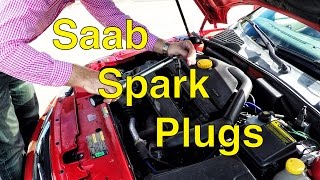
On a Saab 9000 with the DI cassette, the job is very easy. You simply remove four Torx screws, unplug and lift off the red cassette, and the plugs are directly accessible. 🎬 Follow this step-by-step guide to replacing your spark plugs. For older models with a distributor, the process is also straightforward, involving removing spark plug wires from the distributor cap.
Helpful Videos
Technical Specifications
OEM Part Numbers: 8819302 9112541
Recommended Plugs: - Turbo (with DI): NGK BCPR7ES-11 - Non-Turbo (with DI): NGK BCPR6ES-11 - Early Turbo (no DI): NGK BCP7ES Torque Specs: - Spark Plugs: 21 lbf-ft (28 Nm) - DI Cassette Bolts: 8.1 lbf-ft (11 Nm) Gap Spec: 1.0mm - 1.1mm (0.040")
We Have This Part in Stock

The information in this article is provided for general reference and educational purposes only. Vehicle specifications, procedures, and part compatibility can vary by production date, trim level, and region. Always consult your vehicle's factory service manual and verify part numbers before purchasing or performing repairs. Safety-critical components such as airbags, seat belts, and braking systems should be installed by a qualified professional.
- Saab 9000: