

Toyota Supra 1986-1998 Engine Coolant Temperature Sensor Guide
Keep your 7M or 2JZ engine running right by understanding this critical sensor.
- Verify if you need the ECU sensor (2-wire) or the gauge sender (1-wire); they are different parts.
- A bad ECT sensor can cause poor fuel economy, black smoke, and overheating.
- For critical sensors, choose OEM or a premium aftermarket brand like NTK or Delphi for reliability.
- Replacement is a simple DIY task that can be done in under 30 minutes with basic tools.
Understanding the Role of the ECT Sensor in Your Supra
The Engine Coolant Temperature (ECT) sensor is a small but crucial part for your 1986-1998 Toyota Supra. It tells the engine control unit (ECU) the exact temperature of the coolant. This information allows the ECU to make precise adjustments for optimal engine performance, fuel economy, and emissions. When the engine is cold, the sensor's signal tells the ECU to enrich the fuel mixture for a smooth start and idle. As the engine warms up, the ECU leans out the mixture and adjusts ignition timing for better efficiency. On models with electric fans, it also helps decide when to turn them on to prevent overheating.
ECU Sensor vs. Gauge Sender: A Common Point of Confusion
It is critical to identify which part you need to replace. Your Supra likely has two different parts for monitoring coolant temperature:
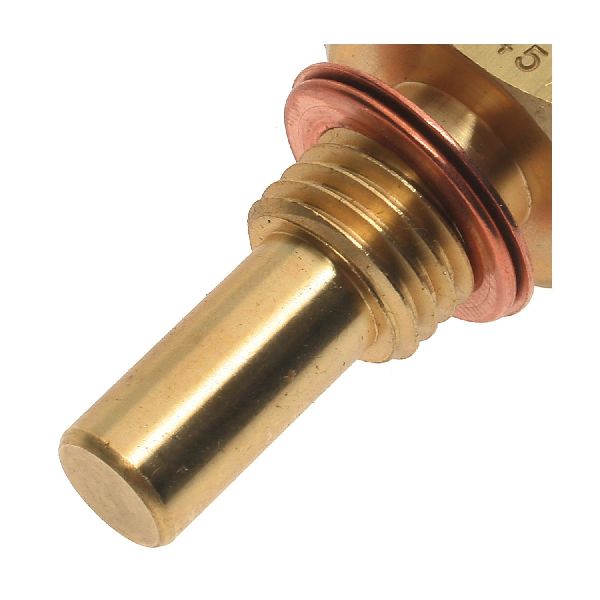
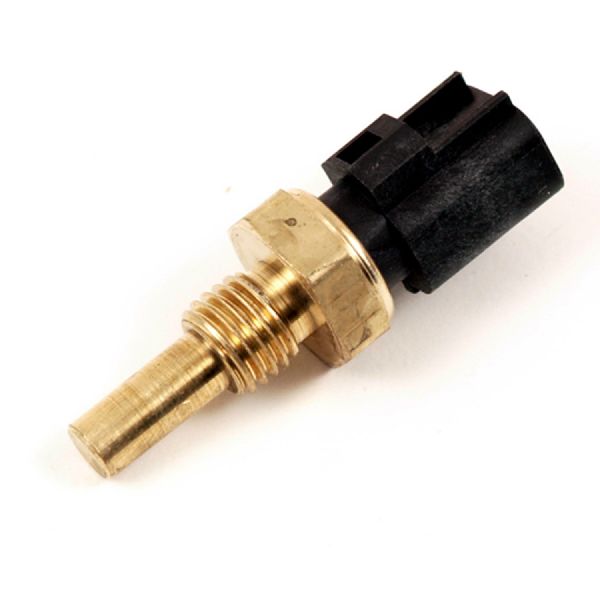
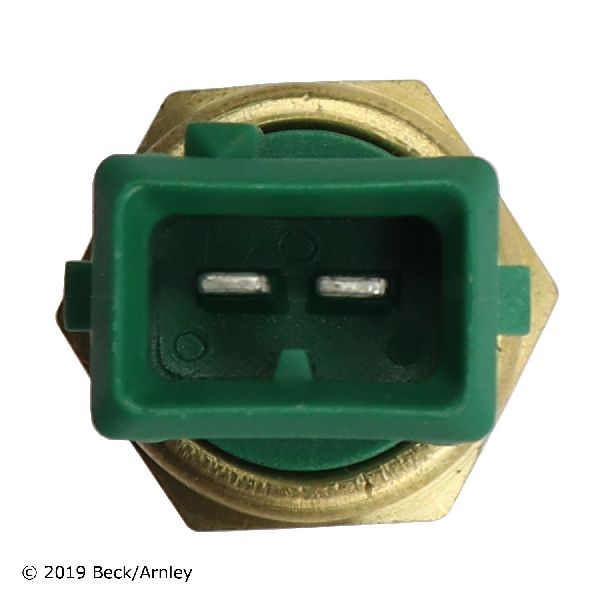
- ECT Sensor (for the ECU): This is typically a two-wire sensor that provides data to the engine computer. A failure here affects engine performance and will likely trigger a Check Engine Light.
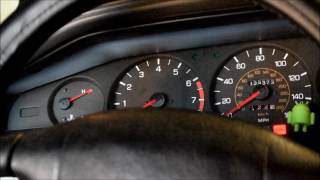
- Temperature Sender (for the Gauge): This is often a single-wire unit that only operates the temperature gauge on your instrument cluster. A failure here will result in an inaccurate or dead gauge 🎬 Watch: Identifying a failed temperature sender on an MK3 Supra, but it won't affect how the engine runs.
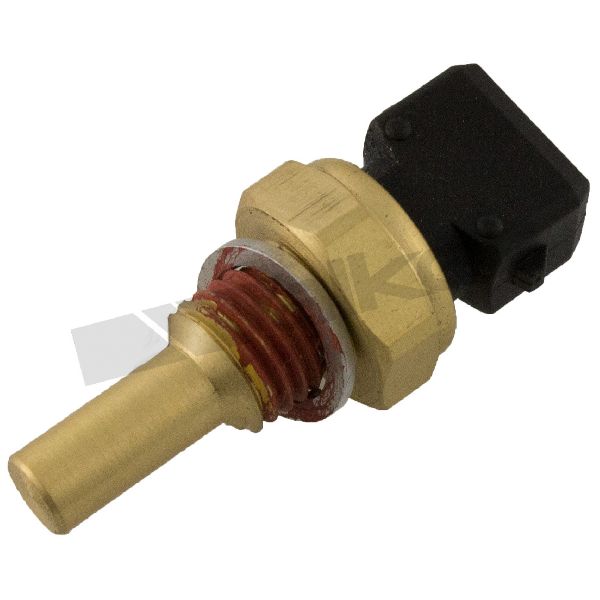
Pro Tip: Before ordering, visually inspect the sensor you intend to replace. Note the number of wires and the connector shape to ensure you are buying the correct part. The ECU sensor is the focus of this guide as it directly impacts engine operation.
Symptoms of a Failing Engine Coolant Temperature Sensor
A bad ECT sensor sends incorrect information to the ECU, leading to a variety of noticeable problems. You might experience several of these symptoms if your sensor is failing:
- Check Engine Light: The ECU will log a fault code, often P0115, if it detects a problem with the sensor's circuit.
- Poor Fuel Economy: If the sensor incorrectly tells the ECU the engine is cold, the computer will continuously run a rich fuel mixture, wasting gas.
- Black Smoke from Exhaust: This is a sign of a very rich fuel mixture, where unburned fuel is exiting through the exhaust.
- Hard Starting or Rough Idle: The engine may be difficult to start, especially when cold, or it may idle erratically because the fuel mixture is incorrect for the actual engine temperature.
- Engine Overheating: If the sensor fails to report that the engine is hot, the ECU may not activate the cooling fans, leading to overheating in traffic.
Choosing the Right Aftermarket ECT Sensor
While an OEM sensor from Toyota is a guaranteed fit and quality, premium aftermarket brands can offer similar performance for less money. For a critical sensor like the ECT, it is wise to avoid the cheapest options, as their inaccuracy can cause persistent running problems.
Brand Quality Tiers
Tier 1: Premium Aftermarket (High Confidence)
Brands like NGK (NTK) and Delphi have a strong reputation as Original Equipment suppliers. They emphasize meeting or exceeding OE specifications for accuracy and durability. These are excellent alternatives to the dealer part.
Tier 2: Reputable Aftermarket (Good Value)
Brands such as Beck Arnley and Standard Ignition (Standard Motor Products) are well-known in the aftermarket. Beck Arnley specializes in parts for foreign nameplates and aims to match OE form and function. Standard is a massive manufacturer, but quality can sometimes be inconsistent compared to a dedicated OE supplier. These brands often provide a good balance of price and quality.
Tier 3: Budget Brands
This category includes brands like URO Parts, Walker Products, and other lower-priced options. While tempting, a cheap sensor that provides inaccurate readings can cost you more in the long run through poor fuel economy and difficult troubleshooting. Use caution and consider these mainly if budget is the absolute primary concern.
| Part Type | Price Range |
|---|---|
| New OEM | $65 - $115 |
| New Aftermarket | $10 - $48 |
| Shop Labor | $50 - $100 |
A Note on Recalls and TSBs
As of this writing, there are no major recalls or Technical Service Bulletins (TSBs) issued by the NHTSA for the engine coolant temperature sensor on 1986-1998 Toyota Supra models. Given the age of the vehicle, most issues are related to standard wear and tear.
Frequently Asked Questions (FAQ)
Can I replace the ECT sensor myself?
Yes, this is a great DIY job for beginners. The sensor is usually easy to access on or near the thermostat housing. The key is to work on a cold engine to avoid burns and to swap the old sensor for the new one quickly to minimize coolant loss. You will typically need a deep socket wrench to complete the job.
🎬 Watch this quick walkthrough of the sensor replacement processWhy shouldn't I just buy the cheapest sensor available?
The ECT sensor's accuracy is critical for engine management. A cheap, low-quality sensor might send a signal that is slightly off. This can cause the ECU to constantly make small errors in fuel and timing calculations, leading to poor performance, bad fuel economy, and frustrating diagnostic issues that won't always trigger a check engine light.
My temperature gauge doesn't work, but my engine runs fine. Is this the right part?
No, probably not. If only the gauge is malfunctioning, you likely need to replace the coolant temperature *sender*, which is a separate, single-wire part. The ECT sensor discussed here has two wires and affects how the engine runs.
What does the P0115 trouble code mean?
P0115 is a generic OBD-II code that means "Engine Coolant Temperature Circuit Malfunction." This indicates that the ECU has detected a problem with the sensor's signal, which could be an open circuit, a short, or a reading that is out of the expected range. It is the most common code associated with a failed ECT sensor.
🎬 See how to test and replace a sensor for code P0115Helpful Videos



Technical Specifications
OEM Part Numbers: 89422-20010 89422-35010 89422-30020 89422-12010
The ECT sensor for the ECU is a two-terminal thermistor. The temperature sender for the gauge is a single-terminal unit. Part numbers and connector styles vary significantly by year and engine (7M-GE, 7M-GTE, 2JZ-GE, 2JZ-GTE). Always verify the specific part required for your vehicle's VIN before purchasing.
We Have This Part in Stock


The information in this article is provided for general reference and educational purposes only. Vehicle specifications, procedures, and part compatibility can vary by production date, trim level, and region. Always consult your vehicle's factory service manual and verify part numbers before purchasing or performing repairs. Safety-critical components such as airbags, seat belts, and braking systems should be installed by a qualified professional.
- Toyota Supra:
- 🎬 Helpful Videos
- 🛍️ Shop This Part
- Understanding the Role of the ECT Sensor in Your Supra
- ECU Sensor vs. Gauge Sender: A Common Point of Confusion
- Symptoms of a Failing Engine Coolant Temperature Sensor
- Choosing the Right Aftermarket ECT Sensor
- Brand Quality Tiers
- A Note on Recalls and TSBs
- Frequently Asked Questions (FAQ)
- 🎟️ Get 5% Off