

Acura Integra Automatic Transmission Cooler Guide (1986-2001)
Keeping your Integra's automatic transmission cool is the key to avoiding costly failure.
- The factory transmission cooler is inside the radiator; if you replace the radiator, ensure the new one is for an automatic model.
- Heat is the primary cause of automatic transmission failure in Integras; an aftermarket cooler is a valuable upgrade.
- Symptoms of a bad cooler include a burning smell, poor shifting, and fluid leaks.
- Hayden is a well-regarded brand for standalone aftermarket coolers.
Is Your Integra's Transmission Overheating?
The automatic transmissions in 1986-2001 Integras are known to be sensitive to heat. When the transmission fluid gets too hot, it loses its ability to lubricate, leading to slipping gears, harsh shifts, and eventually, total failure. The original cooling system, which uses the bottom of the radiator, is usually adequate for stock cars in normal conditions. However, problems with the radiator or increased stress from spirited driving can lead to overheating.
Key Issue: Integrated vs. Standalone Coolers
The most important thing to know is that the factory cooler is part of the radiator. If your radiator fails, you must replace it with one designed for an automatic transmission. Many aftermarket performance radiators are made for manual transmission cars and do NOT have the built-in cooler. If you install one of these, you MUST also install a separate, standalone aftermarket transmission cooler.
Choosing the Right Aftermarket Part
When your cooler fails, it's almost always because the radiator itself has failed (leaking, clogged). You have two main choices for replacement:
- New Aftermarket Radiator (With Integrated Cooler): This is the direct, factory-style replacement. Brands like Denso and TYC offer reliable, OEM-quality replacements that are a cost-effective choice. This is the simplest path for most owners.
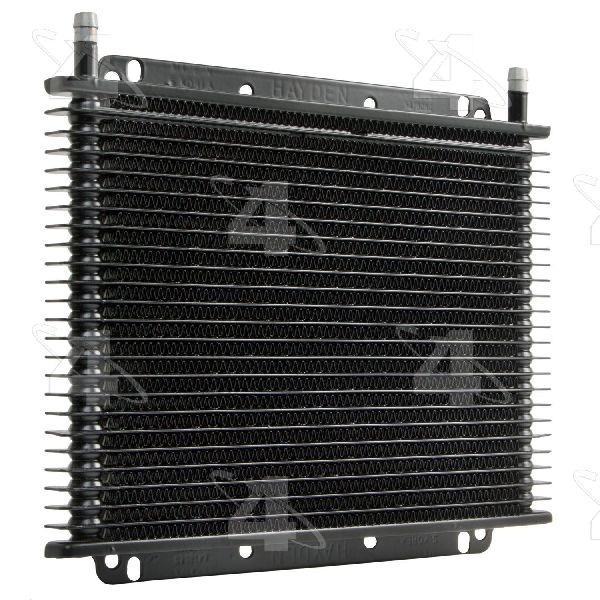
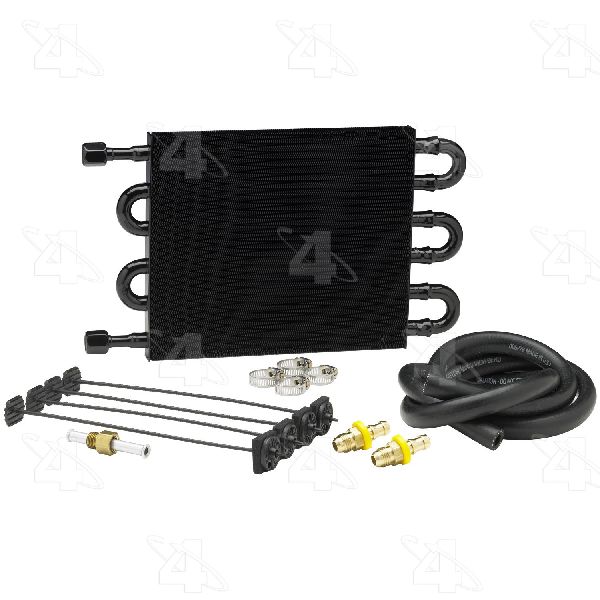
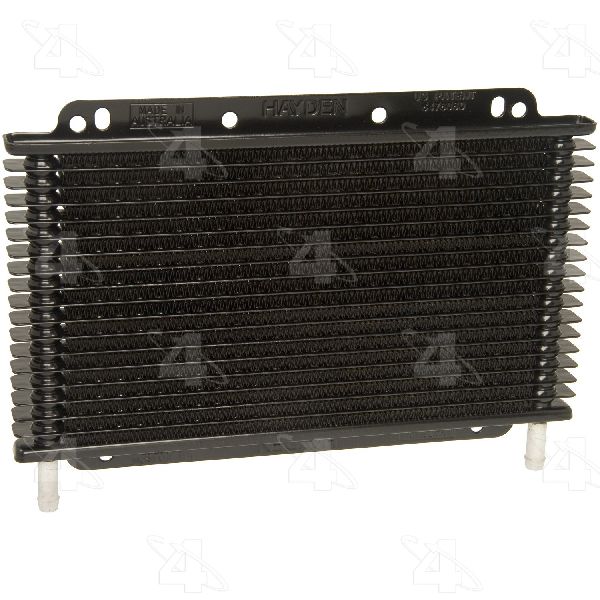
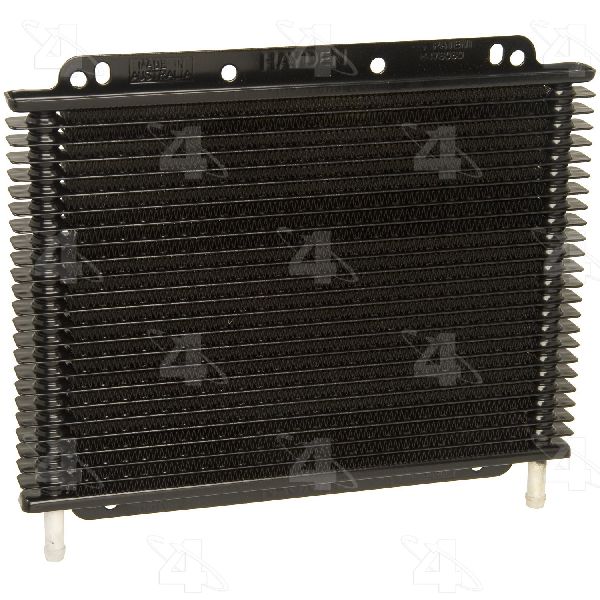
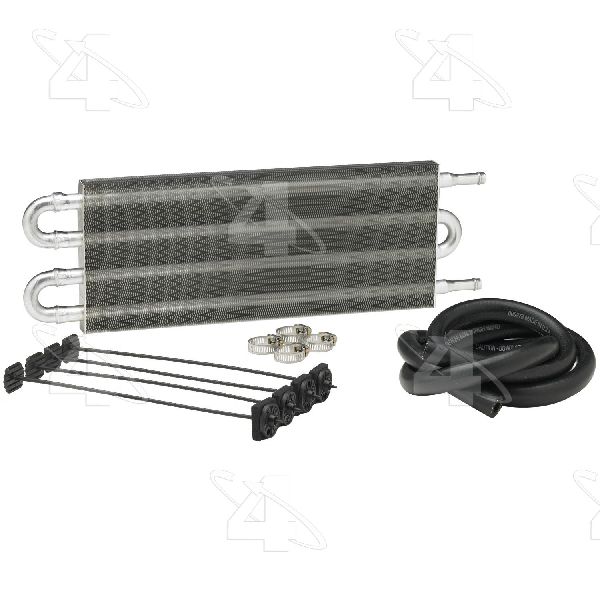
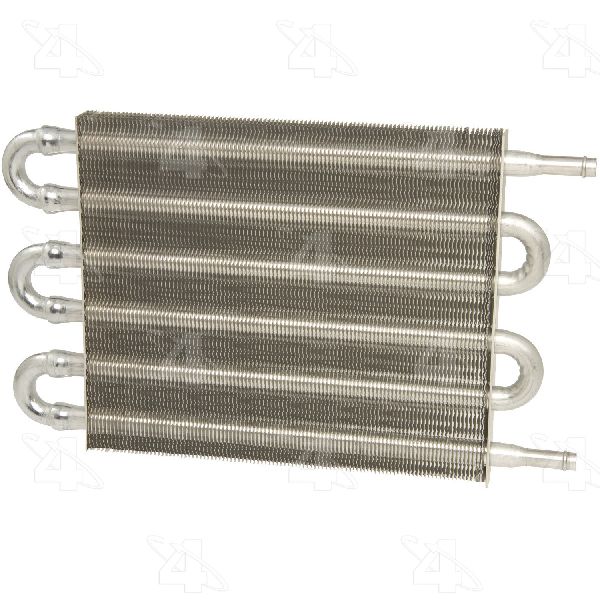
- Standalone Aftermarket Cooler: This is an excellent upgrade, especially for modified cars or those in hot climates. Brands like Hayden are highly recommended by car communities for their reliability and performance. These coolers are installed in front of the radiator and provide superior cooling to the stock setup. You can add one of these to your existing system or use it as a replacement if you've installed a manual-transmission radiator.
Aftermarket Brand Quality
When shopping for a standalone cooler, you will see a few common brands:
- Hayden: Generally considered the go-to brand. They offer both tube-and-fin and the more efficient plate-and-fin style coolers. They are known for quality and are a popular choice on enthusiast forums.
- Four Seasons & Global Parts (GPD): These brands also offer coolers that fit. They are typically seen as standard replacement-grade parts. While less discussed than Hayden, they are functional alternatives.
Pro Tip: For maximum transmission life, consider adding a small aftermarket cooler from a brand like Hayden *in addition* to the stock radiator cooler. This provides an extra layer of protection against heat, which is the main enemy of these older Honda automatic transmissions.
Cost to Replace an Integra Transmission Cooler
| Part / Service | Estimated Cost |
|---|---|
| New Aftermarket Radiator (w/ cooler) | $100 - $200 |
| New Standalone Aftermarket Cooler | $50 - $100 |
| Shop Labor (Radiator Replacement) | $200 - $300 |
| Shop Labor (Add-on Cooler Install) | $150 - $350 |
Frequently Asked Questions
Do I need to upgrade my transmission cooler?
For a stock daily driver, a new, high-quality factory-style radiator is sufficient. However, if you drive aggressively, live in a hot climate, or have engine modifications, upgrading to an additional standalone cooler is one of the best investments you can make to prolong the life of your transmission.
What is the difference between a tube-and-fin and a plate-and-fin cooler?
Tube-and-fin coolers are a simple design where fluid runs through a tube with fins on it to dissipate heat. Plate-and-fin coolers are a more modern and efficient design that forces the fluid through a series of plates, providing more surface area for cooling. For the small price difference, a plate-and-fin cooler is generally the better choice.
Can I install a transmission cooler myself?
Yes, if you are comfortable working on your car. Replacing the radiator or adding a cooler is a moderately difficult job. It involves draining fluids, removing hoses, and potentially removing other parts to gain access. You will need a good set of tools and must be careful to check for leaks after installation.
What kind of fluid do I need?
Always use a transmission fluid that is specifically compatible with Honda/Acura vehicles. Using a generic fluid can cause shifting problems. After installing a new cooler or radiator, you will need to top off the fluid, as some is lost in the process and the new part will hold a small amount.
Technical Specifications
OEM Part Numbers: OEM part is the complete radiator assembly, number varies by year/model.
The factory cooler is an integrated, liquid-to-liquid heat exchanger within the bottom tank of the radiator. Aftermarket coolers are typically air-to-liquid and can be either tube-and-fin or plate-and-fin construction.
We Have This Part in Stock

The information in this article is provided for general reference and educational purposes only. Vehicle specifications, procedures, and part compatibility can vary by production date, trim level, and region. Always consult your vehicle's factory service manual and verify part numbers before purchasing or performing repairs. Safety-critical components such as airbags, seat belts, and braking systems should be installed by a qualified professional.
- Acura Integra: