

Acura Integra Engine Timing Belt (1986-2001): A Comprehensive Replacement Guide
Keep your Integra's B-series or D-series engine safe by understanding this critical maintenance job.
- All 1986-2001 Integra engines are interference engines; a broken timing belt will cause major engine damage.
- Replace the timing belt, water pump, and tensioner every 90,000 miles or 7 years, whichever comes first.
- Always buy a complete kit from a reputable brand like Gates, Aisin, Mitsuboshi, or Dayco.
- If you hear ticking from the engine or it begins to run rough, have the timing belt inspected immediately.
Is My Acura Integra Engine an Interference Engine?
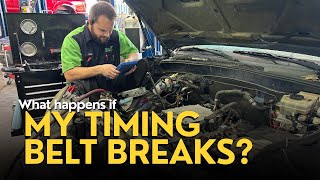
Yes. All engines used in the 1986-2001 Acura Integra, including the D-series and B-series (B18A1, B18B1, B18C1, B18C5), are interference designs. This is the single most important fact to understand. In a non-interference engine, a broken timing belt simply causes the engine to shut off. In your Integra, a broken timing belt allows the pistons to crash into the valves, resulting in bent valves, damaged pistons, and potentially a destroyed cylinder head. 🎬 Watch: See what happens when an interference engine's belt snaps. The cost of repairing this damage often exceeds the value of the car.
Symptoms of a Failing Timing Belt
A timing belt can fail without warning, but sometimes it provides clues. Do not ignore these signs.
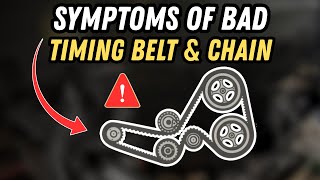
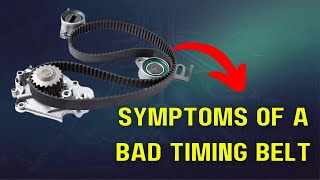
🎬 Watch: A visual guide to common failing timing belt symptoms.- Ticking or Whirring Noise: A ticking sound from the front of the engine (on the driver's side) can indicate the belt is worn, frayed, or the tensioner is failing.
- Engine Misfires: If the belt has stretched or slipped a tooth, the cam and crank timing will be off, leading to rough running, misfires, and a loss of power.
- Engine Won't Start: If the belt has snapped, the camshafts will not turn, and the engine will not start. You may hear the starter turning over faster or differently than usual.
- Oil Leak: An oil leak from the front of the engine may come from a failing camshaft or crankshaft seal, located behind the timing cover. These seals are typically replaced during a timing belt job.
Critical Warning: Time vs. Mileage
Timing belts are made of rubber and degrade over time, not just with mileage. A 15-year-old Integra with only 30,000 miles is still at high risk if it has the original belt. The recommended service interval is by miles or years, whichever comes first.
Choosing the Right Aftermarket Timing Belt Kit
For this job, you should always buy a complete timing belt kit. A good kit includes the timing belt, tensioner pulley, and often the water pump and drive belts. Replacing these components at the same time is standard practice, as the labor to access them is identical. Failure of an old tensioner or water pump can destroy your new belt.
Aftermarket Brand Quality Tiers
Not all aftermarket brands are created equal. For a critical part like this, quality matters more than price.
- Tier 1 (OEM Quality): Brands like Gates, Mitsuboshi, and Aisin are known to be Original Equipment suppliers to Honda and other Japanese manufacturers. An Aisin kit, for example, often contains a Mitsuboshi belt and a Koyo tensioner, which are OEM components. Gates is a highly respected brand in the Honda community, known for durability and even offering high-performance "Racing" belts.
- Tier 2 (Reputable Aftermarket): Brands like Dayco, Continental, and Bando are also well-regarded manufacturers that produce reliable timing belts. They are a solid choice for a daily driven vehicle and are often more budget-friendly than Tier 1 kits. Forum discussions show that both Gates and Dayco are considered reliable choices.
- Tier 3 (Budget Brands): Unbranded or store-brand kits from major auto parts stores can be a gamble. While they may come with a warranty, the quality of the belt, and especially the bearings in the tensioner, can be inconsistent. Given the catastrophic result of a failure, saving a few dollars here is not recommended.
Pro Tip: The "Full Kit"
For a complete and worry-free job, experienced mechanics recommend replacing the timing belt, tensioner, water pump, water pump gasket, camshaft seals, and front crankshaft seal all at once. Many comprehensive kits include these items.
Known Issues, Recalls, and TSBs
Searches of the National Highway Traffic Safety Administration (NHTSA) database show no specific timing belt recalls or Technical Service Bulletins (TSBs) for the 1986-2001 Acura Integra. A widely reported Honda/Acura timing belt recall from 2019 was for much newer 2018-2019 models and does not apply to this generation of Integra.
Cost of Replacing an Acura Integra Timing Belt
The cost is primarily labor, as accessing the belt requires significant disassembly.
| Component/Service | Estimated Cost |
|---|---|
| Aftermarket Timing Belt Kit (with water pump) | $80 - $175 |
| Shop Labor | $488 - $716 |
| Total Professional Job | $700 - $1,100+ |
Frequently Asked Questions (FAQ)
When should I replace my Integra's timing belt?
The generally accepted interval is every 90,000 miles or 7 years, whichever comes first. Some sources suggest intervals between 60,000 and 100,000 miles. If you have just purchased a used Integra and have no proof of its last replacement, change it immediately for peace of mind.
Is this a good DIY job for a beginner?
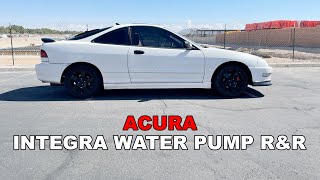
No. This is a moderately difficult job that requires specific tools, knowledge of setting engine timing, and several hours of work. Mistakes can be catastrophic for the engine. It is recommended for experienced DIY mechanics 🎬 See this complete B-series timing belt and water pump walkthrough. or a professional shop.
Should I just replace the belt, or the whole kit?
Always replace the whole kit. The water pump and tensioner are wear items. The labor to get to the belt is the expensive part, so replacing these components at the same time is the smart and safe thing to do. A failed water pump bearing can seize and destroy the new belt.
What is the difference between an OEM and aftermarket belt?
OEM (Original Equipment Manufacturer) belts are from Honda/Acura. High-quality aftermarket brands like Gates, Aisin, and Mitsuboshi often manufacture the OEM belts and are considered equivalent in quality. For a stock or lightly modified Integra, a quality aftermarket kit provides the same reliability as OEM.
Helpful Videos


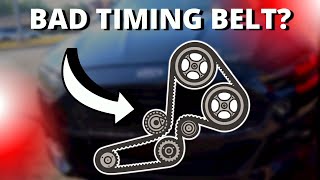
Technical Specifications
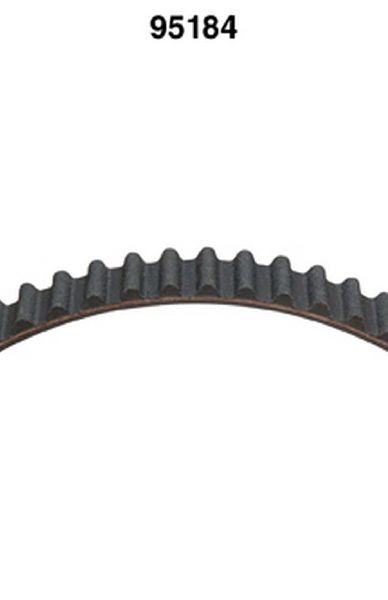
OEM Part Numbers: 14400-P7J-004 14400-P2T-004 14400-PR4-A01
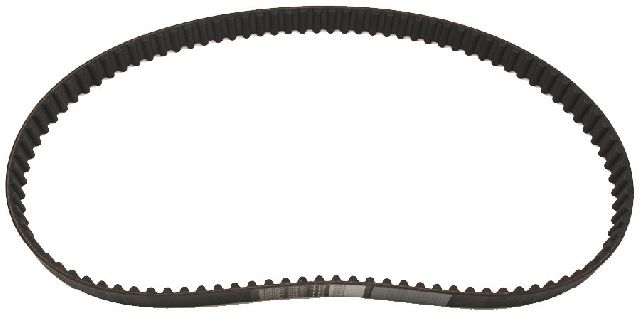
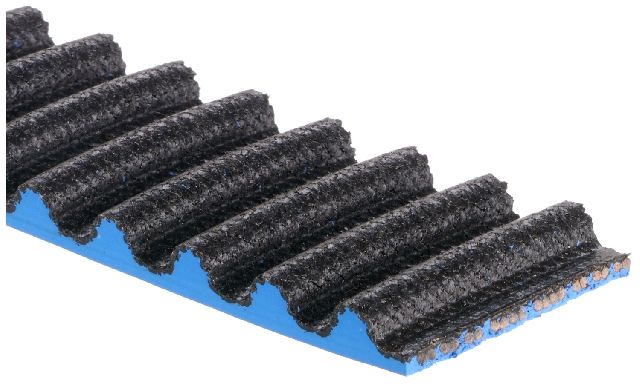
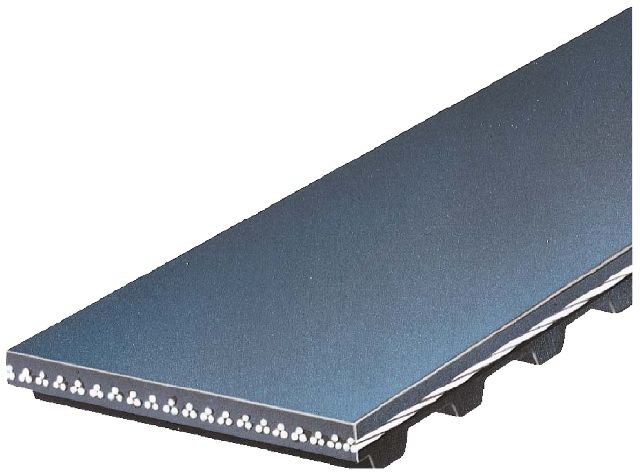
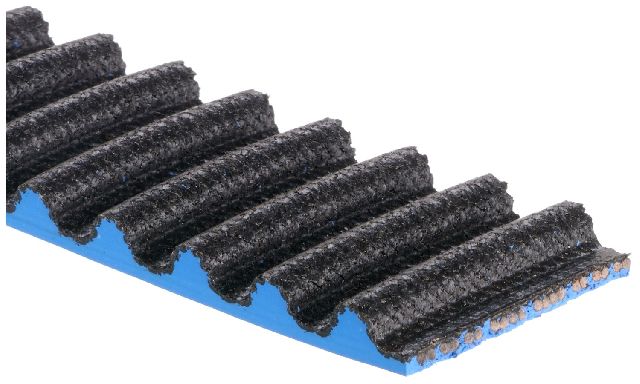
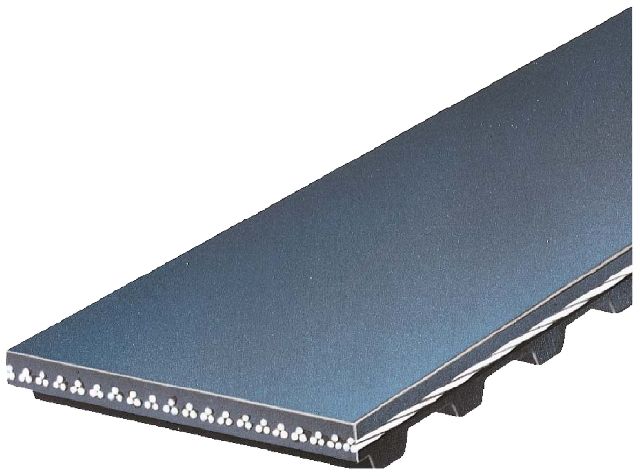
Vehicle-specific rubber composite belt with teeth to synchronize the crankshaft and camshafts. All engines in this year range are interference type.
We Have This Part in Stock

The information in this article is provided for general reference and educational purposes only. Vehicle specifications, procedures, and part compatibility can vary by production date, trim level, and region. Always consult your vehicle's factory service manual and verify part numbers before purchasing or performing repairs. Safety-critical components such as airbags, seat belts, and braking systems should be installed by a qualified professional.
- Acura Integra:
- 🎬 Helpful Videos
- 🛍️ Shop This Part
- Is My Acura Integra Engine an Interference Engine?
- Symptoms of a Failing Timing Belt
- Critical Warning: Time vs. Mileage
- Choosing the Right Aftermarket Timing Belt Kit
- Aftermarket Brand Quality Tiers
- Pro Tip: The "Full Kit"
- Known Issues, Recalls, and TSBs
- Cost of Replacing an Acura Integra Timing Belt
- Frequently Asked Questions (FAQ)
- 🎟️ Get 5% Off