

Engine Timing Belt Kit Guide for the 1986-2001 Acura Integra
Everything you need to know before replacing the timing belt components on your Integra's engine.
- All 1986-2001 Integra engines are interference designs; a broken timing belt will cause catastrophic engine damage.
- Replace the entire timing belt kit (belt, tensioner, water pump) every 90,000 miles or 7 years, whichever comes first.
- Do not drive the vehicle if you suspect a timing belt issue, as complete failure can happen without further warning.
- Choose high-quality aftermarket brands like Gates or Aisin, which are often considered OEM-equivalent.
The Most Important Maintenance Job on Your Integra
For any 1986-2001 Acura Integra owner, the timing belt service is the most critical piece of preventative maintenance you can perform. Because all Integra engines of this era are interference engines, a snapped timing belt doesn't just mean a breakdown; it means the pistons and valves will collide, leading to bent valves, damaged pistons, and a destroyed cylinder head. This is not a risk worth taking. The accepted replacement interval is every 90,000 miles or 7 years, whichever comes first. The rubber belt degrades over time, so even a low-mileage Integra is at high risk if the belt is old.
Symptoms of a Failing Timing Belt or Tensioner
A timing belt can fail without warning, but sometimes there are signs that the belt or its related components, like the tensioner, are wearing out. Pay attention to these symptoms:
- Ticking or Whirring Noise: A consistent ticking or whirring sound from the front of the engine can indicate a worn belt or a failing tensioner pulley.
- Rough Running or Misfires: If the belt has stretched or slipped a tooth, the engine's timing will be off, leading to poor performance, rough idling, and engine misfires.
- Engine Won't Start: If the belt has broken, the camshafts won't turn, and the engine will not start. You may hear the starter spin, but the engine will not fire up.
- Oil Leaks: Leaks from the front of the engine could be coming from the camshaft or crankshaft seals, which are typically replaced during a timing belt job.
Choosing the Right Aftermarket Kit: Brand Quality Tiers
When it comes to a part this critical, brand quality matters immensely. While OEM is always a safe bet, several aftermarket brands offer excellent quality, and some are even the original suppliers to Honda. Cheap, unknown brands are a major gamble that can lead to premature failure.
| Brand Tier | Brands | General Assessment |
|---|---|---|
| Top Tier (OEM Quality) | Gates, Aisin | Often considered OEM suppliers for Honda/Acura. Aisin kits frequently include high-quality components like Mitsuboshi belts and Koyo tensioners. Gates is a highly reputable brand known for durable belts and complete kits. You can install these with confidence. |
| Reputable Aftermarket | Dayco, Cloyes | Dayco is a well-known brand that produces reliable belts and components. While some mechanics have anecdotal stories of failures, many use them without issue. Cloyes is another established brand in the timing component market. These are solid choices if a top-tier kit isn't available. |
| Component Specialist | GMB | GMB is widely known for manufacturing water pumps and bearings. While they may be included in other brands' kits, their primary focus isn't always the belt itself. Ensure the kit includes a quality belt from a brand like Mitsuboshi or Bando. |
Frequently Asked Questions (FAQ)
Is my 1986-2001 Acura Integra engine an interference engine?
Yes, all engines used in the Acura Integra from 1986 to 2001 are interference engines. This means if the timing belt breaks, the pistons will hit the valves, causing major engine damage.
What should be included in a good timing belt kit?
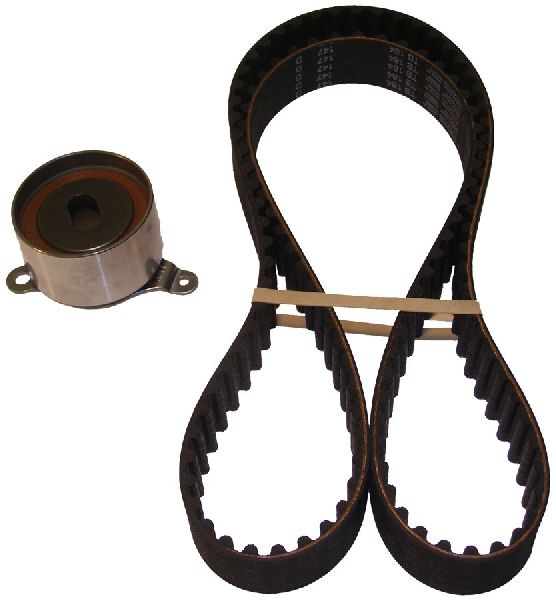
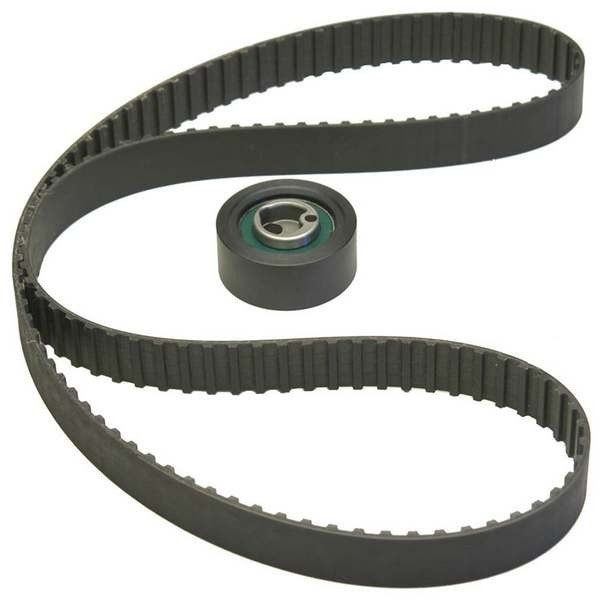
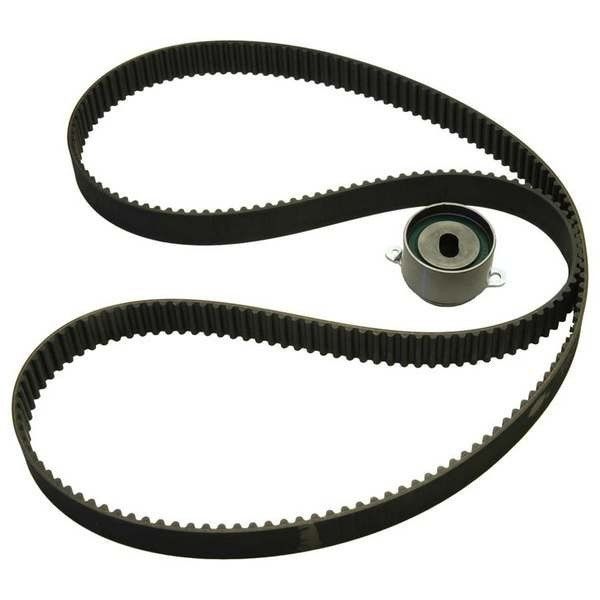
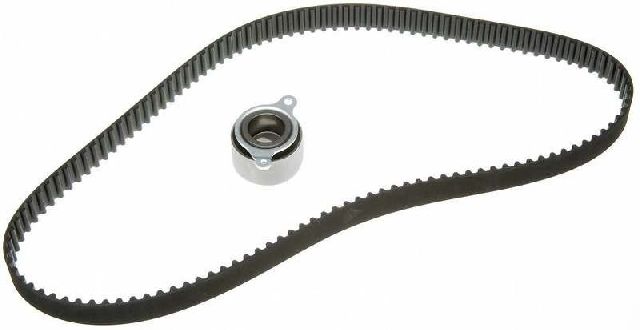
A comprehensive kit should include the timing belt, the tensioner pulley, and the tensioner spring. It is highly recommended to get a kit that also includes the water pump, as it is driven by the timing belt and is replaced at the same time to save on future labor costs. Many kits also include new camshaft and crankshaft seals.
When should I replace my Integra's timing belt?
The standard service interval is every 90,000 miles or 7 years, whichever comes first. Some sources suggest a range of 60,000 to 100,000 miles. Due to the age of these vehicles, the time interval is just as important as the mileage.
Is replacing the timing belt a DIY job?
For a beginner, no. This is a moderately to highly difficult job that requires specific tools (like a crank pulley holder), a torque wrench, and a precise understanding of how to set engine timing. An error during installation can destroy the engine just as easily as a broken belt. It is feasible for an experienced home mechanic.
Technical Specifications
OEM Part Numbers: 14400-P72-014 14400-P7J-004 14400-P2T-004 14400-PR3-004 14400-PG6-004
The replacement interval is mileage or time-based (90,000 miles / 7 years). Kits should include the belt, tensioner, and water pump. All engines in this year range are interference type.
We Have This Part in Stock
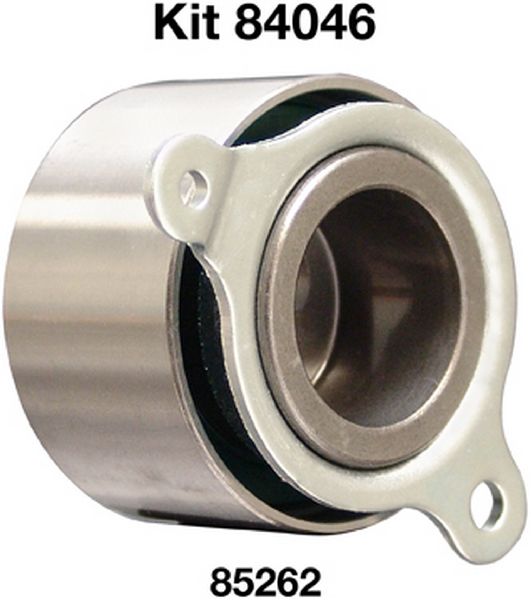
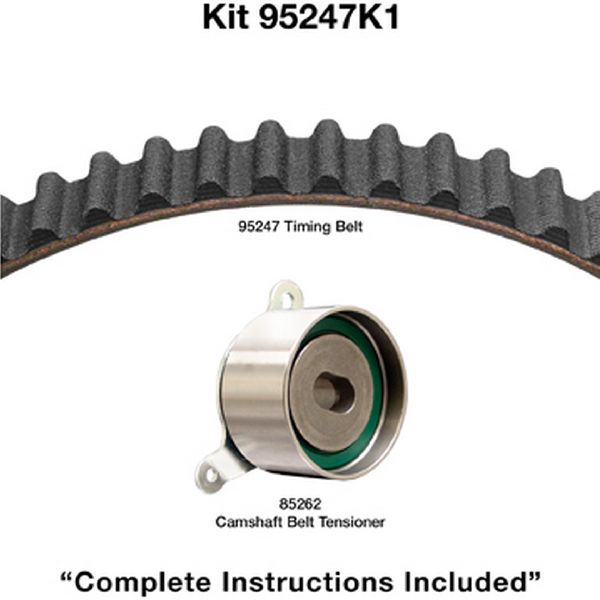

The information in this article is provided for general reference and educational purposes only. Vehicle specifications, procedures, and part compatibility can vary by production date, trim level, and region. Always consult your vehicle's factory service manual and verify part numbers before purchasing or performing repairs. Safety-critical components such as airbags, seat belts, and braking systems should be installed by a qualified professional.
- Acura Integra: