

Acura Integra Engine Oil Pressure Switch: Leaks, Lights, and Replacement
Solving the two most common problems caused by a bad oil pressure switch on your 1986-2002 Integra.
- A leaking oil pressure switch is very common on Integras and can be mistaken for a rear main seal leak.
- If your oil light comes on, always check the oil level first before assuming the switch is bad.
- Do not overtighten the new switch; you can crack the engine block. It only needs to be snug.
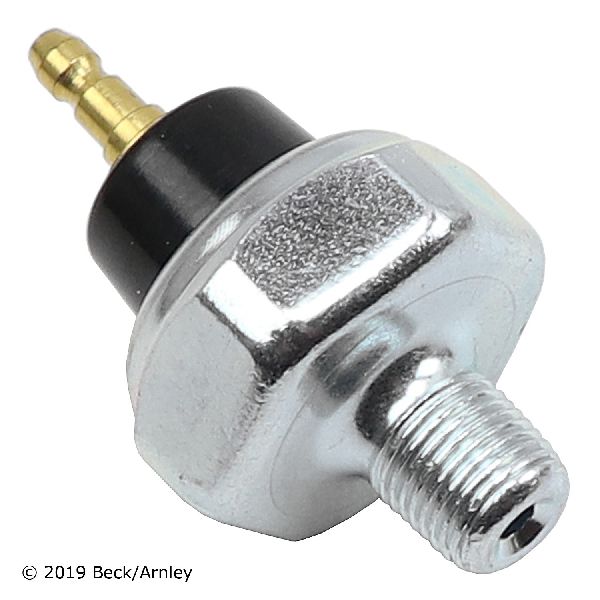
- Higher-tier aftermarket brands like Beck Arnley or Standard Ignition are a reliable choice for this part.
Is Your Integra Leaking Oil or Is the Oil Light On?
For 1986-2002 Acura Integra owners, the engine oil pressure switch is a common source of two distinct problems: a mysterious oil leak and a faulty dashboard warning light. This switch is a frequent failure point due to its age and constant exposure to heat and pressure. Fortunately, it is an inexpensive and easy part to replace.
Top Symptoms of a Failing Integra Oil Pressure Switch
A bad oil pressure switch usually fails in one of two ways:
- External Oil Leak: This is the most common failure. The plastic housing of the switch cracks or the internal seal fails, allowing pressurized oil to leak out. This leak often drips onto the oil filter and back of the engine block, sometimes being mistaken for a more serious oil pan or rear main seal leak. If you find oil inside the rubber electrical boot covering the switch, it is definitely bad.
- Incorrect Warning Light Behavior: The switch can fail electrically. This might cause the oil light to flicker, stay on even when the oil level is full, or never come on at all, which is dangerous. This can be caused by an internal short or a break in the connection.
Oil Light On? Check Your Oil Level First!
If your oil pressure light comes on, immediately and safely pull over. Turn off the engine and check your oil dipstick. If the oil level is low, you have a real problem that is not the switch. If the oil level is correct and the engine sounds normal (no knocking or ticking), the switch is the most likely culprit. Never drive a car with a confirmed low oil pressure condition.
Choosing the Right Aftermarket Oil Pressure Switch
For a simple part like this, you don't necessarily need to buy the expensive OEM version. However, quality can vary between aftermarket brands. One owner reported an aftermarket switch had a loose electrical connection, requiring tape to secure it. Choosing a reputable brand can prevent this.
- Higher-Tier Brands (Beck Arnley, Standard Ignition): These brands are well-regarded by professional mechanics. Beck Arnley is known for sourcing parts from OEM suppliers, so you might get an OEM-quality part in their box. Standard Motor Products (SMP) has a long history of quality and robust testing. These are a safe bet for reliability.
- Standard-Tier Brands (Facet, Global Parts): These brands offer a balance of value and quality. For a simple switch on an older vehicle, they are often a perfectly acceptable and budget-friendly choice.
Common Ordering Mistake: VTEC vs. Standard Switch
If you own a GS-R model with a VTEC engine, be aware that there is a separate VTEC oil pressure switch located on the VTEC solenoid assembly. The part discussed in this article is the main engine oil pressure switch that operates the dashboard warning light on ALL Integra models (RS, LS, GS, GS-R). Ensure you are ordering the correct part for the problem you are having.
Installation Location and Tips
The engine oil pressure switch is located on the back of the engine block, directly above the oil filter. It has a single wire attached to it with a rubber boot. Replacement is straightforward: disconnect the wire, and use a deep socket to unscrew the old switch and install the new one.
Pro Tip: Do NOT Overtighten!
The threads on the switch go into the aluminum engine block. Overtightening the new switch can easily crack the block, turning a $15 repair into a catastrophic engine failure. The torque specification is very low, around 7-13 ft-lbs. Hand-tighten the switch and then use a wrench to snug it up about a quarter to a half turn. Use a liquid thread sealant paste, not teflon tape, to ensure a good seal.
Frequently Asked Questions
Where is the oil pressure switch on my Integra?
It is located on the rear of the engine block (the side facing the firewall), just above the screw-on oil filter. You will need to get under the car to see it.
What tools do I need to replace the oil pressure switch?
You will need a deep socket and a ratchet. The socket size is typically 24mm for the original switch, but some aftermarket replacements may use a 27mm or 15/16" socket. It's a good idea to have both sizes ready.
My oil light is on, but my oil level is full. Is it safe to drive?
If the engine is not making any unusual ticking, grinding, or knocking noises, it is likely a faulty sensor. While it's probably safe for a short, low-stress drive to a repair shop, it's a risk. The safest option is to not drive until the issue is confirmed to be just the sensor.
Is an oil leak from the switch a serious problem?
Yes. While it may start as a small seep, it is a pressurized leak. It can worsen suddenly and cause a rapid loss of engine oil, leading to engine damage. It should be fixed as soon as it's discovered.
Technical Specifications
OEM Part Numbers: 37240-P2F-A01 37240-PT0-014 37240-PT0-023 37240-PD2-003
Location: Rear of engine block, above oil filter. Socket Size: 24mm (OEM), may vary for aftermarket.
We Have This Part in Stock


The information in this article is provided for general reference and educational purposes only. Vehicle specifications, procedures, and part compatibility can vary by production date, trim level, and region. Always consult your vehicle's factory service manual and verify part numbers before purchasing or performing repairs. Safety-critical components such as airbags, seat belts, and braking systems should be installed by a qualified professional.
- Acura Integra:
- 🛍️ Shop This Part
- Is Your Integra Leaking Oil or Is the Oil Light On?
- Top Symptoms of a Failing Integra Oil Pressure Switch
- Oil Light On? Check Your Oil Level First!
- Choosing the Right Aftermarket Oil Pressure Switch
- Common Ordering Mistake: VTEC vs. Standard Switch
- Installation Location and Tips
- Pro Tip: Do NOT Overtighten!
- Frequently Asked Questions
- 🎟️ Get 5% Off