

A Deep Dive into the 1987 Chevrolet R10 Automatic Transmission Mount
Keep your classic R10's drivetrain secure and smooth by understanding and replacing your transmission mount.
- A clunking noise when shifting gears is the most common sign of a failed transmission mount on your R10.
- For most owners, a standard aftermarket rubber mount provides a good balance of cost and comfort.
- Polyurethane mounts from brands like Daystar or Lakewood offer more durability for performance use but increase cabin vibration.
- Replacing the mount is a simple, one-hour job for a DIY mechanic with a floor jack and basic tools.
Is Your R10's Transmission Mount Failing?
On a classic truck like the 1987 Chevrolet R10, the rubber transmission mount is a common wear item. Over decades, exposure to heat, road grime, and leaking fluids can cause the rubber to crack, harden, or completely separate. When this happens, you'll likely notice some distinct symptoms.
Common Failure Symptoms
- Clunking or Banging Noises: The most common sign is a loud clunk or bang when you shift from park into drive or reverse. This is the sound of the transmission lifting and hitting the floor pan or crossmember because the mount is no longer holding it down.
- Excessive Vibrations: You might feel new or worsening vibrations through the floor or seat, especially during acceleration. This happens because the degraded rubber can no longer absorb drivetrain vibrations effectively.
- Drivetrain Movement: A failed mount allows the engine and transmission to move excessively. This can put extra stress on your engine mounts, driveshaft, and U-joints, potentially causing them to wear out prematurely.
Choosing the Right Aftermarket Mount
Since OEM parts for a 1987 R10 can be hard to find, the aftermarket is your go-to source. For a component like a transmission mount, aftermarket options are plentiful and often provide excellent value. They generally fall into two categories: standard rubber replacements and performance polyurethane upgrades.
Brand Quality Tiers
Standard Replacement (Good):
- Anchor, DEA, Pioneer: These brands are widely available and offer direct, OEM-style rubber replacements at a very affordable price. For a daily driver or stock restoration, they are a perfectly adequate choice. However, some forum users report inconsistent quality with budget brands like Anchor and DEA, with some parts failing prematurely. Pioneer is generally seen as a reliable aftermarket supplier.
Performance Upgrade (Better):
- Daystar, Lakewood: These brands offer mounts made from polyurethane, a much firmer material than rubber. A polyurethane mount will significantly reduce drivetrain movement, which is great for performance applications or heavy-duty use. Brands like Lakewood even include safety interlock features to prevent separation under high torque. The main trade-off is a noticeable increase in cabin noise and vibration (NVH), as the firm material transmits more of the drivetrain's harshness.
Pro Tip: For most 1987 R10 owners, a standard rubber replacement mount from a reputable brand like Pioneer offers the best balance of durability, comfort, and price. If you have a high-horsepower engine or use your truck for towing, a polyurethane mount from Daystar or Lakewood is a worthwhile upgrade, but be prepared for more interior vibration.
Replacement Cost
The cost to replace the transmission mount on an '87 R10 is very reasonable, especially if you do the work yourself. The part itself is inexpensive, and the job requires basic tools.
| Item | Estimated Cost |
|---|---|
| New Aftermarket Mount | $7.93 - $15.18 |
| Shop Labor | $100 - $200 |
| Total Professional Replacement | $108 - $215 |
Frequently Asked Questions
Can I replace the transmission mount myself?
Yes, this is a very DIY-friendly job for someone with basic mechanical skills. The process involves supporting the transmission with a floor jack and a block of wood, unbolting the old mount from the crossmember and transmission, and bolting the new one in place. It typically takes about an hour.
What's the difference between rubber and polyurethane mounts?
Rubber mounts, like the original, are soft and provide the best vibration absorption for a comfortable ride. Polyurethane mounts are much stiffer, providing better drivetrain control and durability, especially for performance or heavy-duty use, but they will increase the amount of noise and vibration you feel inside the truck.
Are there any recalls or TSBs for the 1987 R10 transmission mount?
No, searches of the National Highway Traffic Safety Administration (NHTSA) database and for Technical Service Bulletins (TSBs) found no specific recalls or bulletins related to the transmission mount for the 1987 Chevrolet R10. This is a standard wear-and-tear component.
Do I need to replace any bolts when I change the mount?
It's always a good practice to inspect the mounting bolts for rust or damage. While some performance mounts like those from Lakewood may come with new Grade 8 hardware, standard replacement mounts typically do not. If the original bolts are heavily corroded, it's wise to replace them with new hardware of the same size and strength.
Technical Specifications
OEM Part Numbers: 15113134
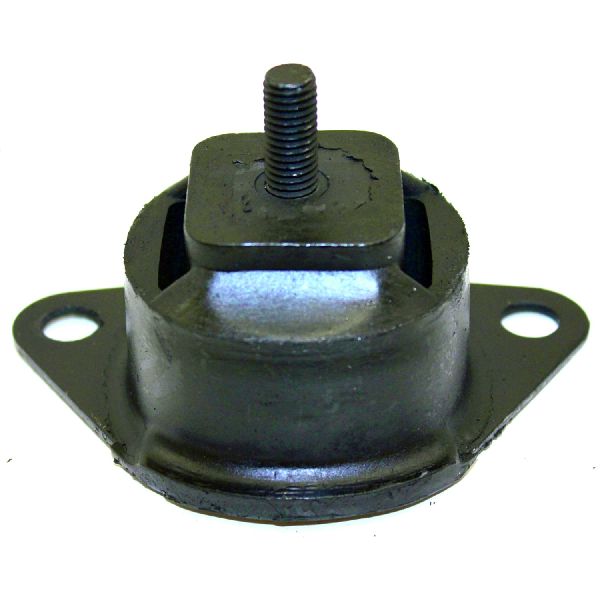
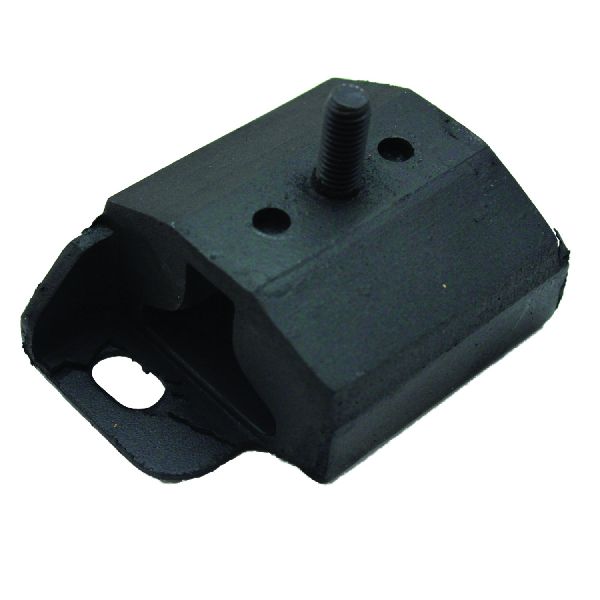
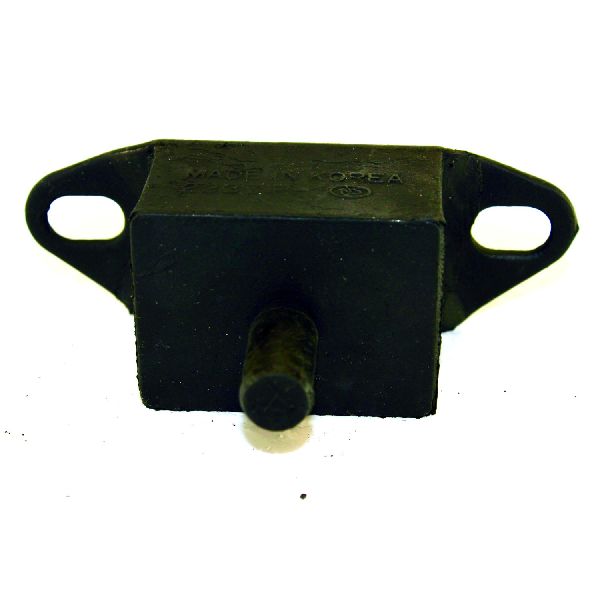
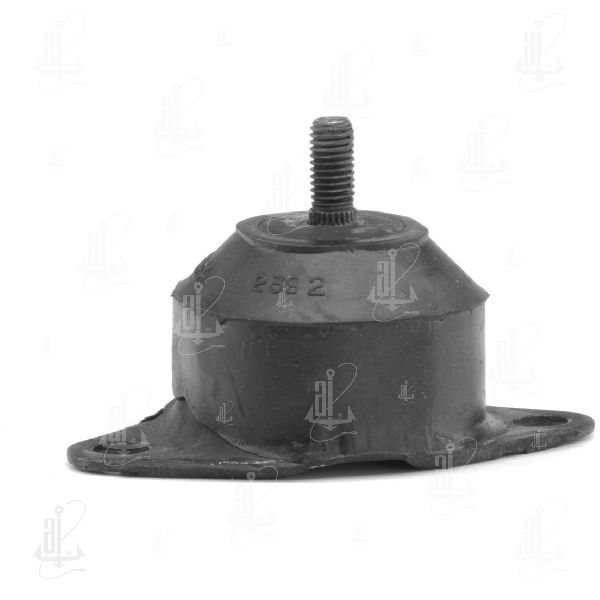
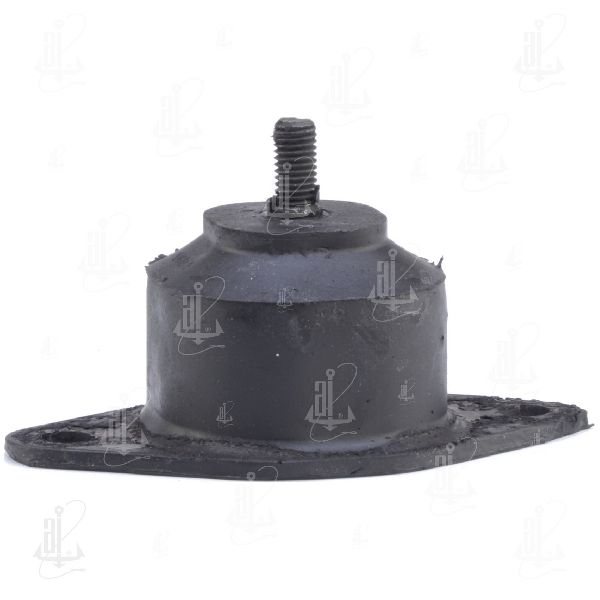
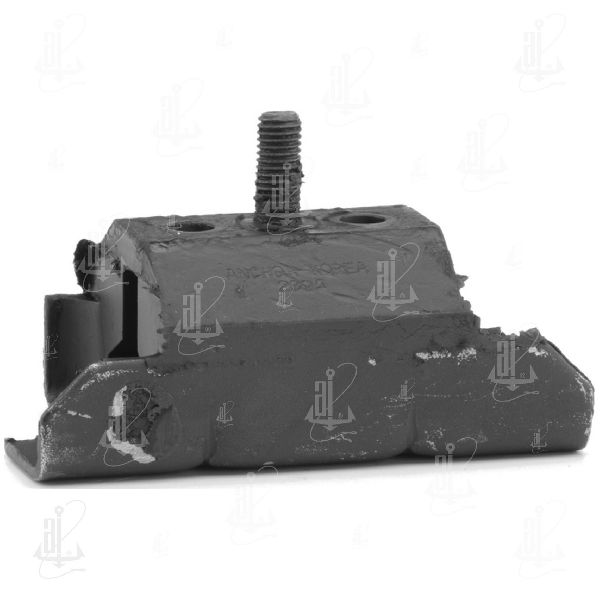
The standard mount for a 2WD 1987 R10 is a single-stud design that bolts to the transmission crossmember. Both rubber and polyurethane versions are available.
We Have This Part in Stock

The information in this article is provided for general reference and educational purposes only. Vehicle specifications, procedures, and part compatibility can vary by production date, trim level, and region. Always consult your vehicle's factory service manual and verify part numbers before purchasing or performing repairs. Safety-critical components such as airbags, seat belts, and braking systems should be installed by a qualified professional.
- Chevrolet R10: