

1987 Chevrolet R10 Speedometer Cable: A Complete Replacement Guide
If your R10's speedometer is acting up, a faulty cable is the most likely culprit—here's how to choose the right replacement.
- A bouncing needle, no speed reading, or a squealing noise from the dash are the top signs of a bad speedometer cable.
- Measure your existing cable's housing length before ordering a replacement to ensure you get the correct fit.
- For standard replacement, Pioneer and ATP are common choices, while Lokar and B&M are for performance shifter upgrades.
- Always lubricate the new inner cable with grease before installation to prevent noise and premature failure.
Is Your Speedometer Cable Failing?
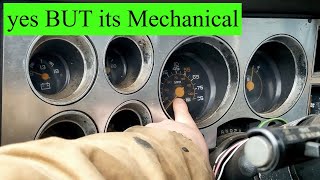
For a truck like the 1987 R10, the speedometer system is purely mechanical. This means that when problems occur, the cable is the most common point of failure. Unlike modern vehicles, you won't typically see a Check Engine Light for this issue. Instead, you'll notice physical symptoms related to the speedometer's behavior.
Diagnosing the Issue
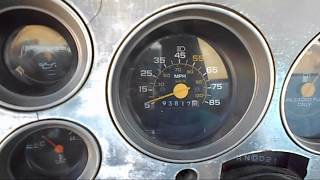
A simple way to confirm the cable is the problem is to test the speedometer head itself. Disconnect the cable from the transmission, chuck the inner cable core into a drill 🎬 Watch this video to see how to test your speedometer., and run it in reverse (counter-clockwise). Have a helper watch the dash; if the speedometer needle moves, the gauge is likely fine, and the problem lies within the cable or the plastic drive gear inside the transmission.
Pro Tip: Check for Simple Fixes First
Before ordering a new part, get under the truck and check that the cable hasn't simply come loose from the transmission. Sometimes, the threaded connector just needs to be tightened. Also, inspect the cable routing to ensure it hasn't been damaged or melted by contact with hot exhaust components.
Choosing the Right Aftermarket Speedometer Cable
Original GM (AC Delco) cables are becoming difficult to find. The aftermarket offers several options that can get your speedometer working again, but quality and fit can vary. It is critical to measure the length of your old cable's outer housing before ordering to ensure a proper fit. A cable that is too short won't connect, while one that is too long can kink and break prematurely.
| Brand Tier | Brands | Typical Price Range | Notes |
|---|---|---|---|
| Standard Replacement | Pioneer Cable, ATP | $17 - $45 | These brands provide direct-fit, budget-friendly options. They are designed to meet original specifications. However, some owners in forums report that lower-cost cables can sometimes cause a bouncy needle or have a shorter lifespan than original parts. ATP also offers universal "cut-to-fit" kits which can be a good solution for custom applications but require more work. |
| Premium / Performance | Lokar, B&M | $70 - $150+ | Lokar and B&M are known for high-quality components, often used in custom and performance builds. Their cables are typically part of a complete aftermarket shifter assembly rather than a direct stock replacement. These are an excellent choice if you are upgrading your shifter, but are overkill for a simple stock cable replacement. |
A Note on Two-Piece Cables
Some R10 models, especially those with cruise control, may have used a two-piece speedometer cable from the factory. When replacing, it is often recommended to use a single-piece cable if possible. One-piece designs eliminate a potential failure point and tend to be more reliable.
Frequently Asked Questions
Is replacing a speedometer cable a difficult job?
No, it's a straightforward job for a DIY mechanic. It requires no special tools beyond basic hand tools like pliers. The main challenge is reaching the clip on the back of the instrument cluster, which can be in a tight space. The cable connects at the transmission on the driver's side and clips into the back of the speedometer.
🎬 See a step-by-step walkthrough of the cable replacement process.Should I lubricate my new speedometer cable?
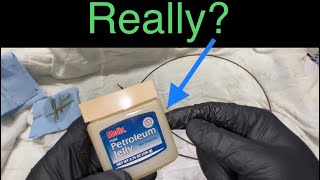
Yes, it's a highly recommended step. A dry cable is a common cause of noise and premature failure. Before installing the new cable, pull the inner core out of the housing and apply a silicone-based grease or white lithium grease along its length before sliding it back in. 🎬 Watch how to properly lubricate your new cable before installation. This ensures smooth, quiet operation.
My speedometer needle bounces. Will a new cable fix this?
Most of the time, yes. A bouncing or wavering needle is the classic symptom of a cable that is binding, kinked, or needs lubrication. Replacing it with a properly routed and lubricated cable usually solves the problem. If the bounce persists with a quality new cable, the issue may be wear inside the speedometer head itself.
What is the difference between an upper and lower cable?
On trucks equipped with cruise control, the system uses a two-piece cable. The "lower" cable runs from the transmission to the cruise control transducer, and the "upper" cable runs from the transducer to the speedometer. If your truck does not have cruise control, you will have a single, one-piece cable.
Helpful Videos
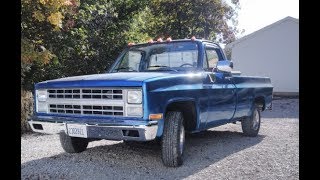
Technical Specifications
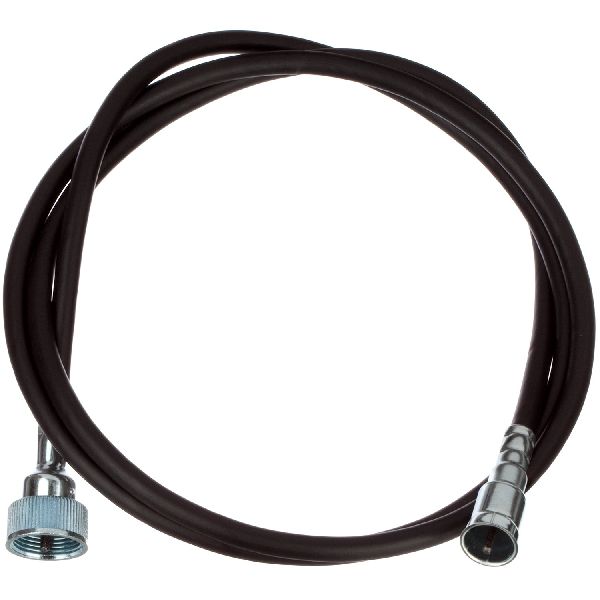
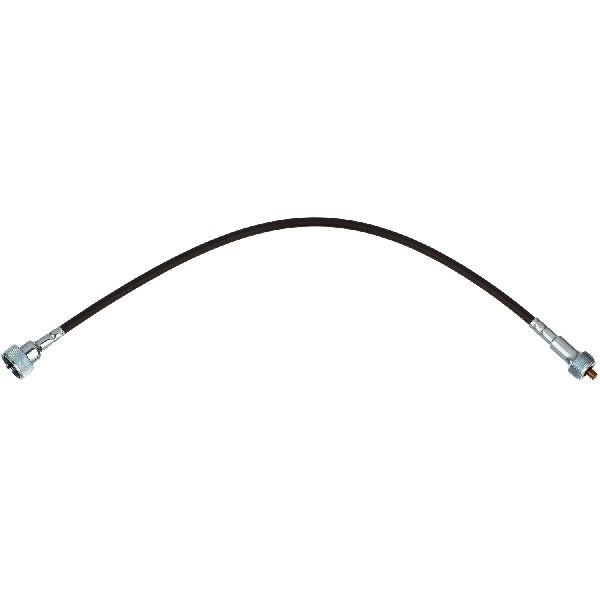
The key specifications are the overall length of the cable housing and the style of the fittings. The transmission end is a screw-on type (7/8-18 female thread is common), and the speedometer head end is a clip-on style for this model year.
We Have This Part in Stock


The information in this article is provided for general reference and educational purposes only. Vehicle specifications, procedures, and part compatibility can vary by production date, trim level, and region. Always consult your vehicle's factory service manual and verify part numbers before purchasing or performing repairs. Safety-critical components such as airbags, seat belts, and braking systems should be installed by a qualified professional.
- Chevrolet R10: