

Choosing the Right Starter Motor for Your 1987 Chevrolet V10
Solve common starting problems like heat soak and grinding by choosing the right replacement starter for your truck.
- Always test the battery and clean the cable connections before assuming the starter is bad.
- Heat soak is the most common problem; a heat shield or a high-torque mini-starter is an effective fix.
- Pay close attention to shimming when installing a new starter to prevent grinding noises and damage.
- ACDelco offers OEM reliability, while a brand like Powermaster offers a performance upgrade that can solve heat-related issues.
Is Your Starter Failing? Common Symptoms
Before you get stranded, watch for these signs of a failing starter in your V10. Always check that your battery is fully charged and the cable connections are clean and tight before blaming the starter, as a weak battery can cause similar symptoms.
- Single Loud Click, Then Nothing: This often means the starter solenoid is engaging, but the motor itself isn't turning. This could be due to worn internal contacts or a seized motor.
- Rapid Clicking: A series of fast clicks usually points to a low battery that doesn't have enough power to turn the engine over.
- Slow, Labored Cranking: If the engine turns over much slower than usual, it can be a sign of a weak starter motor, high electrical resistance, or a heat-soaked starter.
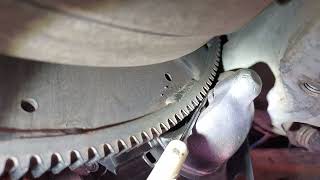
- Grinding or Whining Noise: A grinding sound during or after cranking often indicates a problem with the alignment between the starter gear and the flywheel. This can be caused by improper shimming or damaged teeth on either the starter or the flywheel.
Vehicle-Specific Issues for the 1987 V10
Owners of these classic Chevy trucks often run into a few common, well-documented problems with the starting system.
Known Issue: Starter Heat Soak
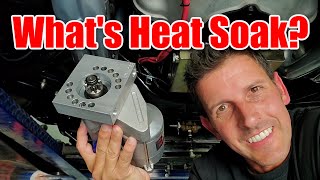
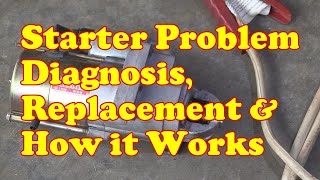
The most common complaint is "heat soak." The original, large starter is located very close to the passenger-side exhaust manifold. After a long drive, heat from the exhaust can raise the starter's temperature and internal electrical resistance. This prevents the starter from drawing enough power to crank the hot engine. You might have to wait 15-30 minutes for it to cool 🎬 See a detailed explanation of heat soak and how to fix it. down before it will start again. Solutions include installing a heat shield or upgrading to a smaller, more efficient high-torque mini-starter that is less affected by heat.
Pro Tip: Check Your Wires First
These trucks are known for having wiring issues due to age. Before replacing your starter, inspect the battery cables for internal corrosion (they can look fine on the outside), check the small fusible link wires near the starter, and ensure you have a solid ground connection from the engine block to the battery. A bad ground can cause slow cranking and mimic a failing starter.
Choosing the Right Aftermarket Starter
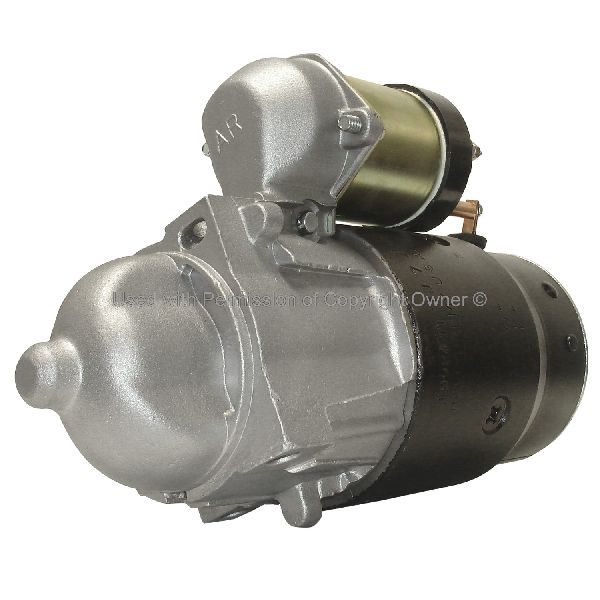
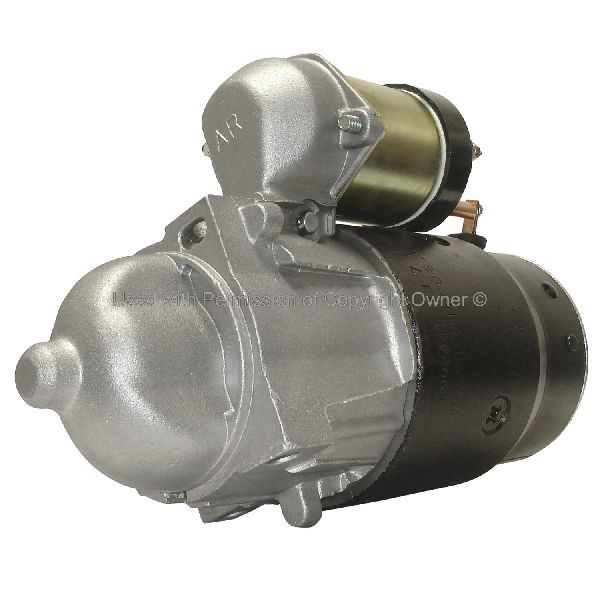
When shopping for a new starter, you'll find direct-fit original styles and smaller, high-torque upgrades. Your choice depends on your budget and needs.
Brand Quality Tiers
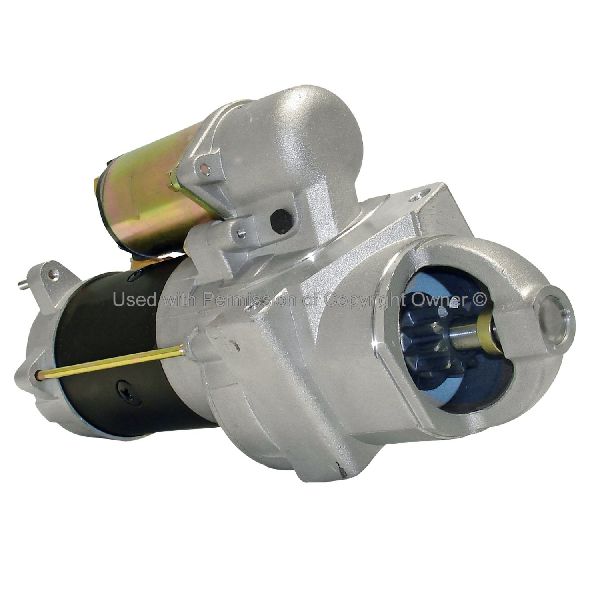
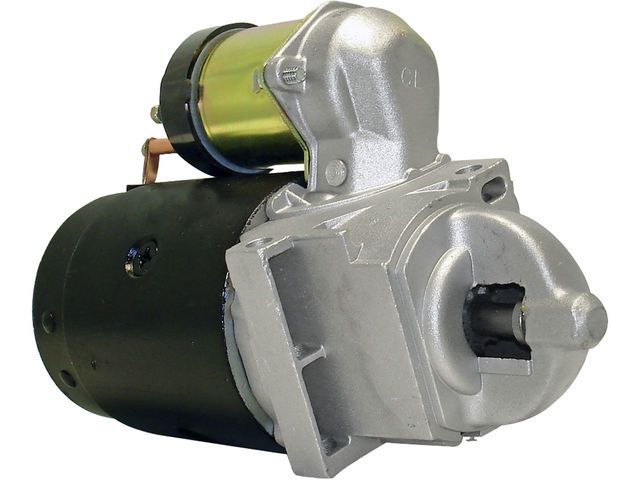
- OEM-Quality (ACDelco): ACDelco is GM's official parts brand and is the closest you can get to the original part. These starters are known for their reliability and correct fitment, making them a safe and dependable choice for a daily driver or stock restoration.
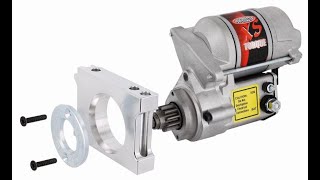
- Performance Upgrade (Powermaster, Proform): Brands like Powermaster specialize in high-torque, gear-reduction mini-starters. These are smaller, lighter, and provide more cranking power, which is a great solution for engines with higher compression or to combat heat soak issues. While many users have great success, some have reported premature failures, so quality can vary.
- Standard Aftermarket (MPA): MPA and other similar brands offer new and remanufactured starters that meet original specifications. They are a cost-effective solution, but the quality of remanufactured parts can sometimes be inconsistent.
| Part Type | Estimated Cost |
|---|---|
| New Aftermarket | $78.19 - $433.59 |
| Remanufactured Aftermarket | $60 - $150 |
| New OEM (ACDelco) | $150 - $300 |
| Shop Labor | $150 - $300 |
Frequently Asked Questions (FAQ)
Do I need to shim my new starter?
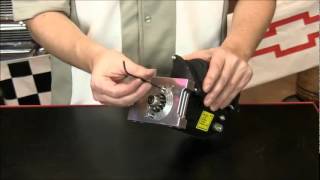
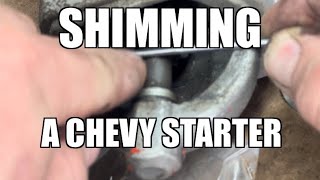
Maybe. Grinding noises are a sign of incorrect clearance between the starter gear and the flywheel. Many aftermarket starters come with shims to adjust this clearance. The goal is to have a small gap (about the thickness of a paperclip) between the teeth when the starter is engaged. Improper shimming is a common cause of repeat starter failure.
🎬 Watch this video to learn how to properly shim your starter.What's the difference between a staggered and straight bolt pattern?
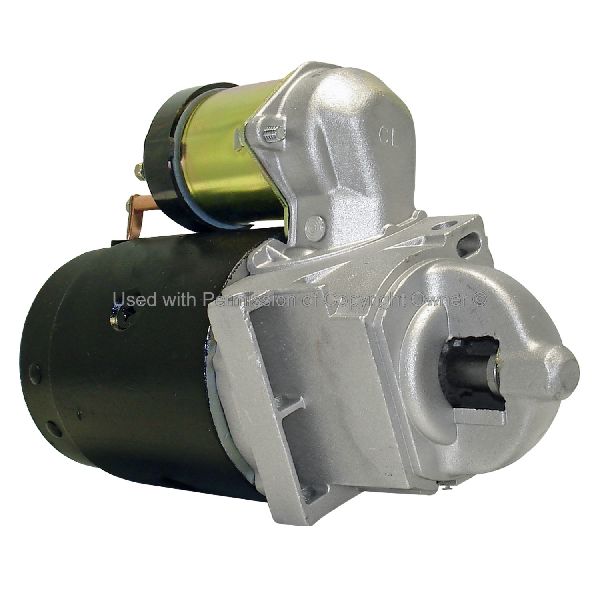
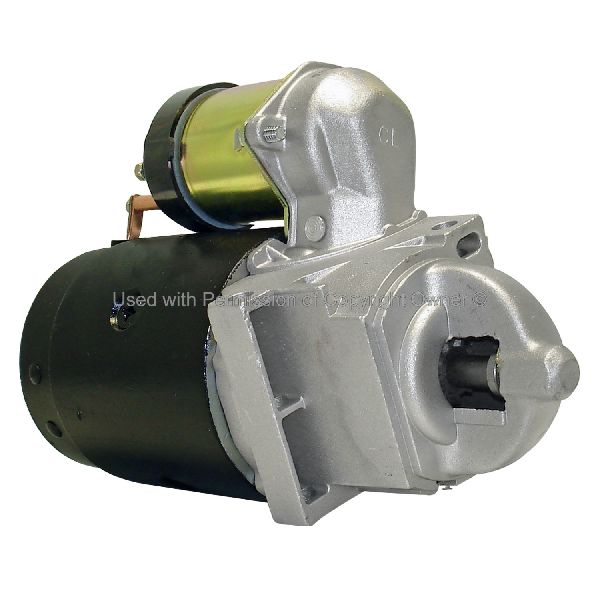
Your 1987 V10 starter will have two mounting bolts. They can be either directly across from each other (straight pattern) or offset (staggered pattern). This depends on the size of your flywheel. You must order a starter that matches the bolt pattern on your truck. The staggered pattern is more common.
Is a high-torque mini-starter worth it?
For many owners, yes. A high-torque starter spins the engine faster, making it easier to start, especially when hot. Its smaller size also provides more clearance from the hot exhaust manifold, which helps prevent heat soak. It's a popular upgrade for both stock and modified trucks.
Were there any recalls on the 1987 V10 starter?
No, there are no official NHTSA recalls or Technical Service Bulletins (TSBs) for the starter motor on the 1987 Chevrolet V10. Common issues like heat soak are well-known among owners but were never addressed with a formal recall.
Helpful Videos
Technical Specifications
OEM Part Numbers: 19135435 323-367
Check for either a staggered or straight-across mounting bolt pattern. The staggered pattern is most common for V8 models. The starter is located on the passenger side of the engine where it meets the transmission.
We Have This Part in Stock

The information in this article is provided for general reference and educational purposes only. Vehicle specifications, procedures, and part compatibility can vary by production date, trim level, and region. Always consult your vehicle's factory service manual and verify part numbers before purchasing or performing repairs. Safety-critical components such as airbags, seat belts, and braking systems should be installed by a qualified professional.
- Chevrolet V10: