

Replacing the Engine Oil Pan on Your 1987 Chevrolet V20
A comprehensive guide to finding the right replacement oil pan and stopping leaks for good on your classic Chevy truck.
- The most common failure is not the pan itself, but the gasket causing oil leaks.
- Confirm your engine (e.g., 5.7L vs 7.4L) and required gasket style (one-piece vs. four-piece) before ordering.
- Proper installation is critical. Clean surfaces meticulously and torque bolts to spec to prevent leaks.
- Aftermarket brands like ATP and Pioneer are often reported as heavy-duty, while Dorman and Spectra are reliable standard replacements.
Is Your 1987 Chevrolet V20 Oil Pan Failing?
On a classic truck like the '87 V20, the original steel oil pan has faced decades of heat, vibration, and potential impacts. The most common failure isn't a sudden crack but a persistent, annoying oil leak. These leaks often come from a failing gasket, a rusted-through pan, or stripped drain plug threads.
Symptoms of a Bad Oil Pan:
- Oil Spots on the Driveway: This is the most obvious sign. A consistent drip will leave a puddle of dark oil under the front of your truck.
- Low Oil Level: If you're constantly needing to top off your engine oil but don't see blue smoke from the exhaust, the oil is likely leaking out.
- Visible Rust or Damage: Look under your truck. If the oil pan is dented, heavily rusted, or looks wet with oil, it's time for a replacement. For a 4x4 V20, dents from off-roading are a common cause of future problems.
- Leaking Drain Plug: If oil only drips from the drain plug, the plug or the pan's threads may be stripped. This is a common issue caused by years of overtightening during oil changes.
Don't Mistake Other Leaks
Oil from a leaking rear main seal or valve cover gaskets can run down the engine and drip from the oil pan, making you think the pan is the problem. Before replacing the pan, clean the engine thoroughly and try to pinpoint the exact source of the leak.
Choosing the Right Aftermarket Oil Pan
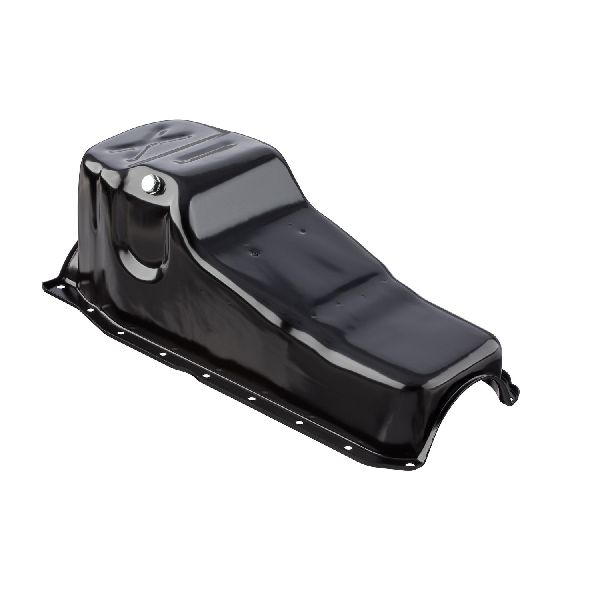
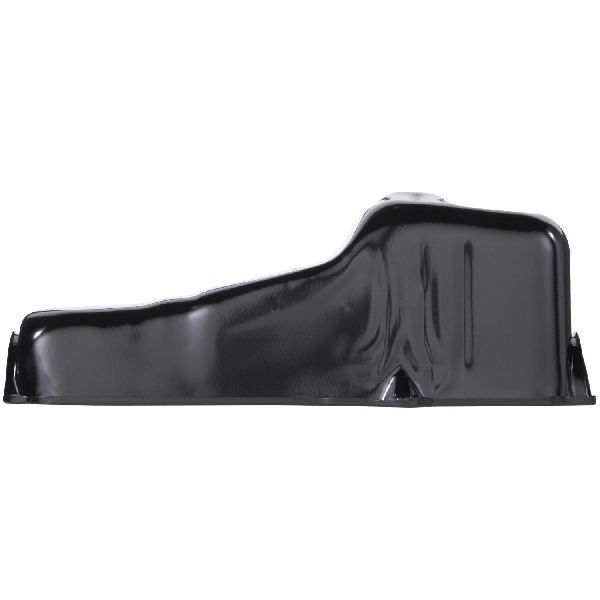
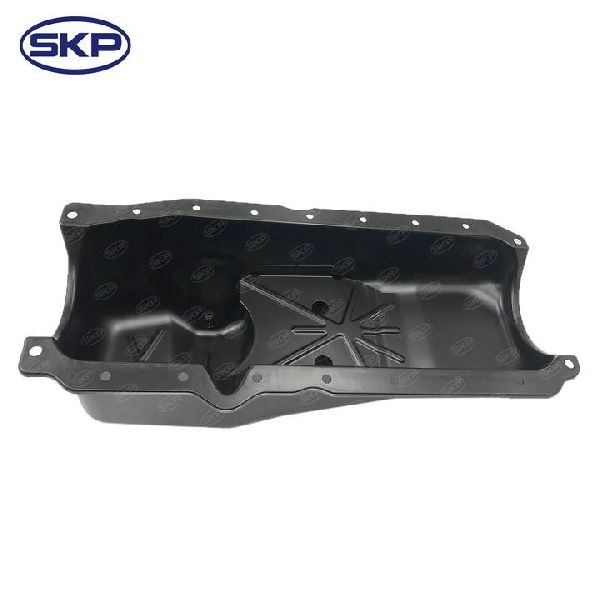
For a 1987 vehicle, finding a new OEM oil pan is nearly impossible. The aftermarket, however, offers several good options. The key is choosing a quality part that fits correctly. Most aftermarket pans for the V20 are made of stamped steel, similar to the original, but some may offer different finishes or features.
Brand Quality Tiers
- Good Quality Replacements (ATP, Pioneer): Brands like ATP and Pioneer are often reported by owners to be made from a heavier gauge steel than the original, offering more durability. They generally have a good reputation for fit and finish. One thing to note is that they sometimes use metric drain plugs, which is a minor inconvenience on a classic American truck.
- Standard Replacements (Dorman, Spectra): Dorman and Spectra are widely available and are generally considered reliable direct replacements. Some users have reported minor issues, such as leaky drain plugs or slight fitment differences that require care during installation. Many Spectra pans come with a powder coating for extra corrosion resistance.
- Specialty & Appearance (Trans-dapt): If you're looking for a custom look, brands like Trans-dapt offer chrome-finished oil pans. While they add a show-quality shine, ensure the fit and function meet your needs for a daily driver or work truck.
Installation is Everything
Many oil pan replacement failures are due to installation errors, not the part itself. The biggest challenge is the gasket. Your 1987 V20's Small Block Chevy could have used different gasket styles. Ensure you get the correct one-piece or four-piece gasket set for your specific engine. Always use a torque wrench and follow the tightening pattern to avoid warping the new pan. Clean all mating surfaces meticulously before installation.
| Part Type | Price Range |
|---|---|
| New Aftermarket Oil Pan | $65.03 - $278.06 |
| Shop Labor to Install | $250 - $500 |
Frequently Asked Questions (FAQ)
Why is my new oil pan still leaking?
This is a common frustration. The leak may not be from the pan itself. First, re-check the drain plug. If that's tight, the issue is likely the gasket seal. This can be caused by warped or dirty mating surfaces on the engine block, using the wrong gasket (thick vs. thin front seal), or not tightening the bolts in the correct sequence and to the proper torque. Also, verify the leak isn't actually from a higher point on the engine, like the rear main seal.
What's the difference between a 1987 Chevy K20 and V20?
They are essentially the same truck. For the 1987 model year, Chevrolet changed its naming system for the outgoing "Square Body" trucks to avoid confusion with the new body style being introduced. 4x4 models, previously designated with a "K" (like K20), were re-named with a "V" (V20). So, a 1987 V20 is the same as what would have been called a K20 in earlier years.
Do I need a one-piece or four-piece gasket?
Small Block Chevys from this era could have either. The one-piece rubber gasket is generally considered easier to install and more reliable if your pan and block are in good condition. However, some aftermarket pans or older engine blocks may fit better with the traditional four-piece cork-and-rubber gasket set. It's best to see what you are replacing or consult a service manual. When in doubt, the one-piece Fel-Pro gasket is a popular choice for a leak-free seal.
Can I reuse my old drain plug?
Most new aftermarket oil pans come with a new drain plug. It is highly recommended to use the new plug that comes with your new pan. Mixing and matching can lead to leaks if the thread types are even slightly different. Some aftermarket pans switch to a metric thread size, making your original plug incompatible.
Technical Specifications
Material: Stamped Steel (most common), Aluminum (specialty) Capacity: Varies by engine (e.g., 4-5 quarts for Small Block). Fitment Note: For 1987, the 4WD model is designated V20, which uses the same parts as the K20 from previous years.
We Have This Part in Stock


The information in this article is provided for general reference and educational purposes only. Vehicle specifications, procedures, and part compatibility can vary by production date, trim level, and region. Always consult your vehicle's factory service manual and verify part numbers before purchasing or performing repairs. Safety-critical components such as airbags, seat belts, and braking systems should be installed by a qualified professional.
- Chevrolet V20: