

A Practical Guide to the 1987 Chevrolet V20 Starter Motor
Don't get stranded by a bad starter; understand your options for a reliable replacement for your classic Chevy truck.
- Heat soak is a very common problem; consider a gear-reduction starter or heat shield to solve it.
- Symptoms like a single click or slow cranking strongly point to a failing starter, assuming the battery is good.
- Fitment is critical; improper shimming can lead to grinding noises and damage to the new starter or flywheel.
- For a long-term solution, a new high-torque starter from a brand like Powermaster is often a better investment than a standard remanufactured unit.
Is Your V20 Starter Failing? Common Symptoms
A failing starter on a 1987 V20 usually gives you some warning. Because these trucks have simple electrical systems, the signs are often straightforward. Ignoring them can leave you stranded.
- Single Loud Click, Then Nothing: This is a classic symptom. It often means the starter solenoid is engaging, but the motor itself isn't turning. This can be caused by a worn-out motor or a common issue known as "heat soak."
- Engine Cranks Slowly: If the engine turns over much slower than usual, even with a good battery, the starter motor may be worn and drawing too much power.
- Grinding Noise: A harsh grinding sound during startup can mean the starter gear is not meshing correctly with the flywheel, or the teeth on either part are damaged. This requires immediate attention to avoid costly flywheel damage.
- No Sound at All: If you turn the key and nothing happens, the problem could be the starter, but it's also important to check the battery, ignition switch, and wiring first.
A Common Problem: Heat Soak
Many owners of older Chevy V8s experience "heat soak." This happens when the starter, located close to the hot exhaust manifold, gets so hot that its electrical resistance increases. The result is a starter that works fine when cold but refuses to crank when the engine is hot. After cooling down for 15-30 minutes, it might work again. Upgrading to a modern gear-reduction starter or adding a heat shield can solve this problem.
Choosing the Right Aftermarket Starter
You don't need to buy a part from the dealer. Aftermarket starters for the V20 offer a range of options, from standard replacements to high-performance upgrades that solve common issues.
Brand Quality Tiers
- Standard Replacement (Good): Brands like ACDelco offer new and remanufactured starters that are very similar to the original factory part. They are a reliable choice for a stock truck and daily driving. If you're not having specific issues like heat soak, a quality standard replacement is a cost-effective and dependable option.
- Premium / Heavy-Duty (Better): This category includes high-torque, gear-reduction starters from brands like Powermaster and Proform. These starters are smaller, lighter, and more powerful than the original. They spin the engine faster for quicker starts and are less prone to heat soak, making them an excellent upgrade, especially for engines with higher compression or for owners who have experienced hot-start problems.
- Remanufactured (Use Caution): While brands like MPA offer remanufactured units at a lower price, quality can be inconsistent. Some owners report issues with fitment or premature failure from store-brand remanufactured parts. If budget is the primary concern, they are an option, but a new unit often provides better peace of mind.
Pro Tip: When replacing your starter, also inspect your battery cables and ground connections. On these older trucks, corroded or loose connections can cause starting problems that mimic a bad starter.
Cost of a New Starter for a 1987 Chevrolet V20
The cost will depend on the brand and type of starter you choose. Labor costs at a repair shop are typically low for this job.
| Part Type | Estimated Cost |
|---|---|
| New Aftermarket Starter | $78 - $434 |
| Remanufactured Starter | $80 - $170 |
| Shop Labor | $100 - $200 |
Frequently Asked Questions
Can I replace the starter myself?
Yes, this is a very DIY-friendly job on a 1987 V20. It typically involves disconnecting the battery, removing two or three wires from the starter solenoid, and unbolting the two main mounting bolts. Access is generally good, and only basic hand tools are required. The entire job can usually be done in about an hour.
Do I need to shim the new starter?
Maybe. Chevrolet starters on this engine sometimes require shims to create the proper distance between the starter gear and the flywheel. Incorrect spacing can cause grinding or damage. Many new starters come with a set of shims and instructions on how to check the clearance.
What is a gear-reduction starter and why should I consider one?
A gear-reduction starter (like many from Powermaster) uses internal gears to multiply the motor's torque. This means it can turn the engine over with more force while drawing less power from the battery. They are often smaller, lighter, and more efficient at handling heat, making them a popular upgrade.
Are there any recalls on the 1987 V20 starter?
No, there are no official NHTSA recalls or widespread Technical Service Bulletins (TSBs) for starter motor failures on the 1987 Chevrolet V20. Problems are typically due to age, wear, or issues like heat soak.
Technical Specifications
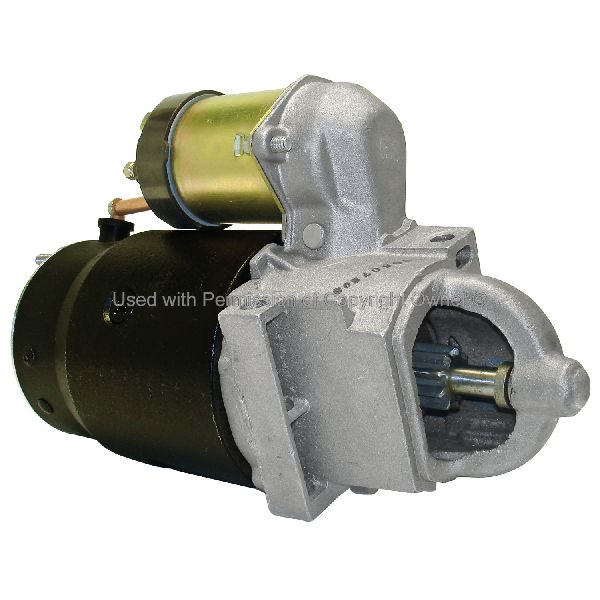
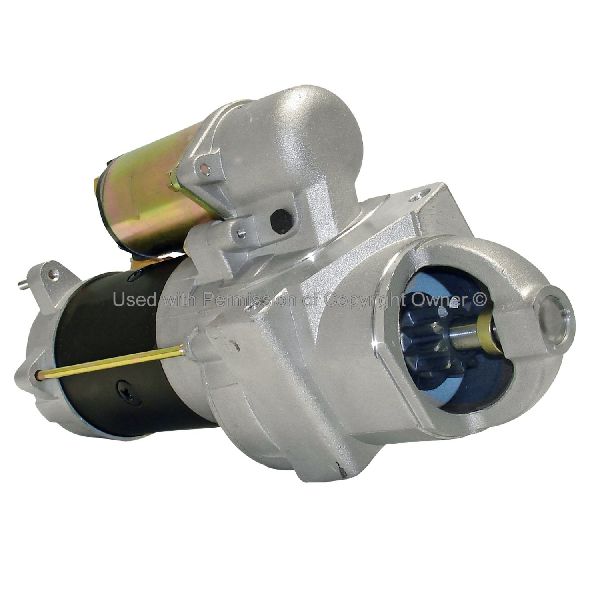
Fitment depends on the engine (e.g., 5.7L 350, 7.4L 454) and flywheel tooth count (153 or 168). Most starters for this application use a two-bolt staggered mounting pattern. Some aftermarket starters offer adjustable mounting blocks to fit either flywheel size.
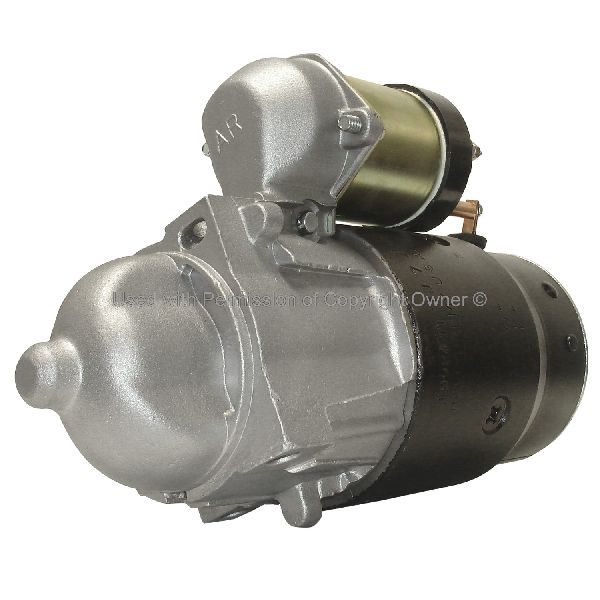
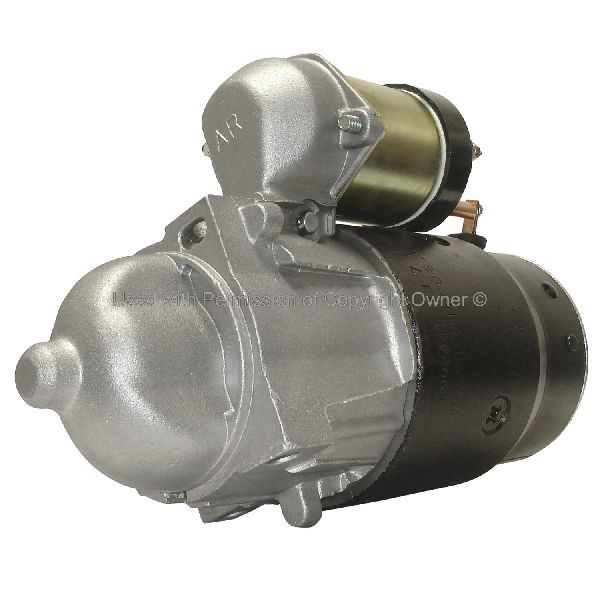
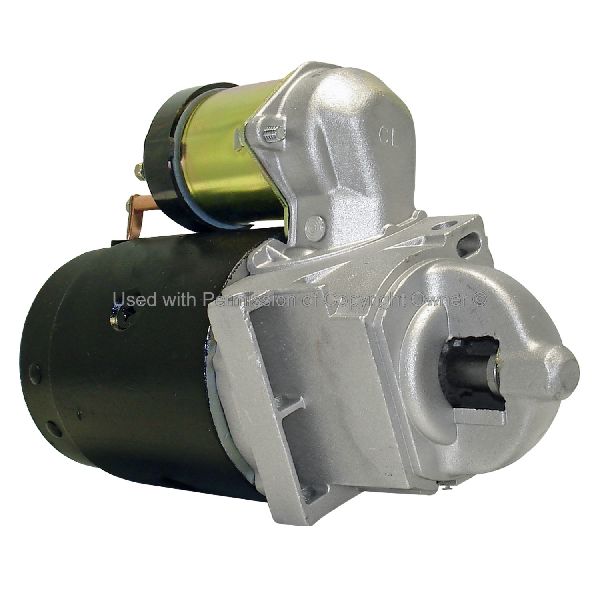
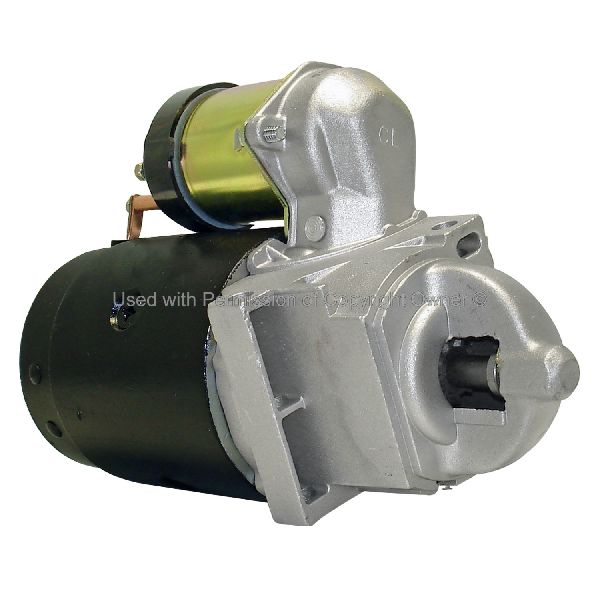
We Have This Part in Stock

The information in this article is provided for general reference and educational purposes only. Vehicle specifications, procedures, and part compatibility can vary by production date, trim level, and region. Always consult your vehicle's factory service manual and verify part numbers before purchasing or performing repairs. Safety-critical components such as airbags, seat belts, and braking systems should be installed by a qualified professional.
- Chevrolet V20: