

1987 GMC R1500 Automatic Transmission Mount: A Complete Guide
Stop the clunking and shaking by choosing the right replacement transmission mount for your truck.
- Symptoms of failure include clunking noises, excessive vibration, and a lurching sensation from the drivetrain.
- Replacement is a straightforward DIY job for most, requiring basic tools and about 1-2 hours.
- Aftermarket options range from budget rubber (Anchor, DEA) to performance polyurethane (Daystar, Lakewood); choose based on your priority for comfort vs. durability.
- While replacing the mount, inspect the transmission crossmember for cracks, a known issue on these trucks.
Is Your Transmission Mount Failing?
On a classic truck like the 1987 R1500, the original rubber transmission mount has likely seen better days. Age, heat, and leaking fluids cause the rubber to crack, collapse, or tear. When this happens, you'll start to notice some distinct problems.
Common Symptoms of a Bad Mount:
- Clunking Noises: A loud clunk or bang when you shift from park into drive or reverse is a classic sign. You might also hear it during acceleration or deceleration as the transmission shifts its weight.
- Excessive Vibration: If you feel new or excessive vibrations through the floor or seat, especially while accelerating, the mount may have failed. A bad mount can no longer dampen the normal vibrations from the engine and transmission.
- Drivetrain Movement: You might feel the whole engine and transmission assembly lurch or shift. A good way to check is to have a helper watch the engine while you, with the brake firmly applied, briefly shift between drive and reverse. Any movement more than an inch or so suggests worn mounts.
A Note on OEM Parts
For a vehicle of this age, finding a new original equipment (OEM) transmission mount from GM is highly unlikely. The comparison is realistically between different tiers of aftermarket parts or finding a used OEM part. Most owners will be choosing a new aftermarket replacement.
Choosing the Right Aftermarket Mount
For your 1987 R1500, aftermarket mounts fall into two main categories: standard rubber and performance polyurethane. Your choice depends on your budget, how you use your truck, and your tolerance for vibration.
Tier 1: Budget Rubber Mounts (Anchor, DEA)
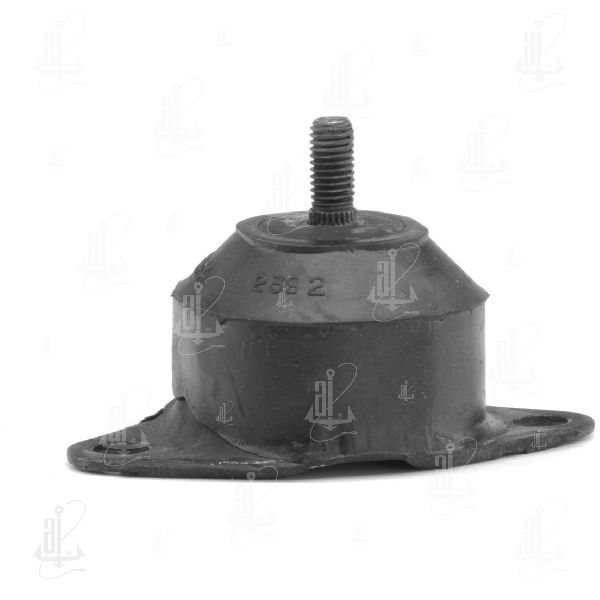
Brands like Anchor and DEA are widely available and very affordable. They are a fast, budget-friendly fix for a completely failed mount. However, online forums and reviews frequently mention issues with their long-term durability, with some owners reporting failures in a short amount of time. While they will work, consider them a standard replacement-grade part, not a lifetime upgrade.
Tier 2: Standard-Quality Rubber Mounts (Pioneer)
Pioneer is another aftermarket brand that offers OE-style rubber mounts. Some user experiences suggest their quality can be a step above the budget brands, with a fit and finish that more closely resembles the original part. If you want to maintain the original ride feel without breaking the bank, this is a solid middle-ground option.
Tier 3: Performance Polyurethane Mounts (Daystar, Lakewood)
Brands like Daystar and Lakewood offer mounts made from polyurethane instead of rubber. Polyurethane is extremely durable and resistant to oil and fluids, making it a great choice for modified or heavy-use trucks. Lakewood mounts often include a safety interlock feature, which is beneficial for high-horsepower applications. The major trade-off is a significant increase in Noise, Vibration, and Harshness (NVH). You will feel more drivetrain vibration in the cab, which some drivers find annoying for a daily driver.
Pro-Tip: Check Your Crossmember
While you're replacing the mount, take a close look at the transmission crossmember it bolts to. On these trucks, especially if used for heavy work or with high-horsepower engines, the crossmember can develop cracks near the mounting holes. It's the perfect time to inspect and repair it if needed.
Cost to Replace a 1987 GMC R1500 Transmission Mount
| Part Type | Part Cost | Shop Labor Cost | Total Estimated Cost |
|---|---|---|---|
| New Aftermarket (Rubber) | $7.93 - $15.18 | $100 - $200 | $108 - $215 |
| New Aftermarket (Polyurethane) | $35 - $105 | $100 - $200 | $135 - $305 |
Cost estimates are approximate and can vary based on location and shop rates.
Frequently Asked Questions
Can I drive with a bad transmission mount?
It is not recommended. While the truck may still be drivable for short distances, a failed mount puts extra stress on your engine mounts, driveshaft, U-joints, and even exhaust components. Continued driving can cause more expensive damage. If you hear loud clunking or feel severe vibrations, you should get it replaced as soon as possible.
Is replacing the transmission mount a DIY job?
Yes, for most home mechanics with a good set of tools, this is a very feasible job. The process involves safely supporting the transmission with a jack and a block of wood, removing the single nut on the crossmember, removing the two bolts holding the mount to the transmission, and then swapping the part. It can typically be done in 1-2 hours.
What's the difference between a rubber and polyurethane mount?
Rubber mounts, like the original, are soft and excellent at absorbing vibration, providing a comfortable ride. Polyurethane mounts are much stiffer and more durable. They are great for performance and longevity but will transfer more engine and transmission noise and vibration into the cab.
Are there any recalls for the 1987 GMC R1500 transmission mount?
No, there are no active or historical recalls or Technical Service Bulletins (TSBs) from the NHTSA related to the automatic transmission mount for this specific vehicle.
Technical Specifications
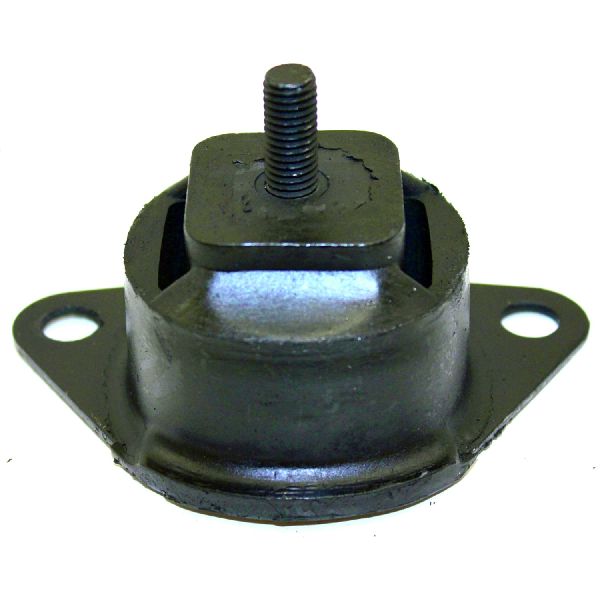
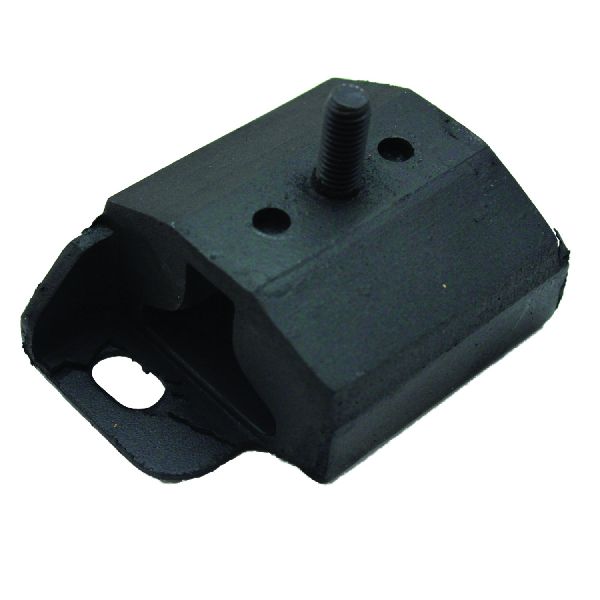
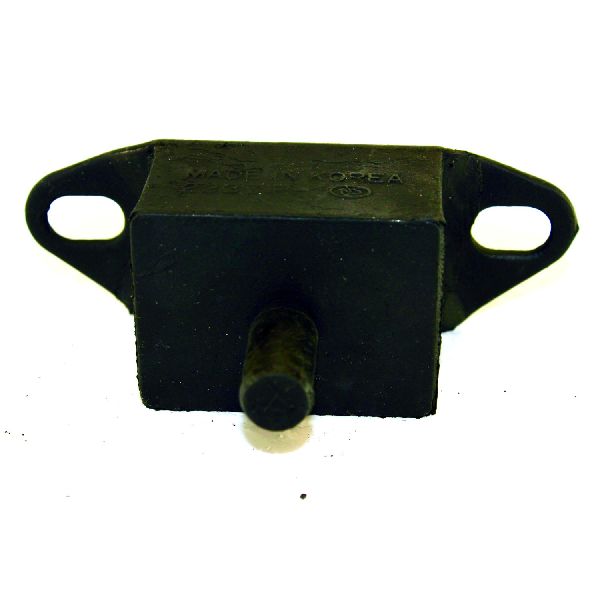
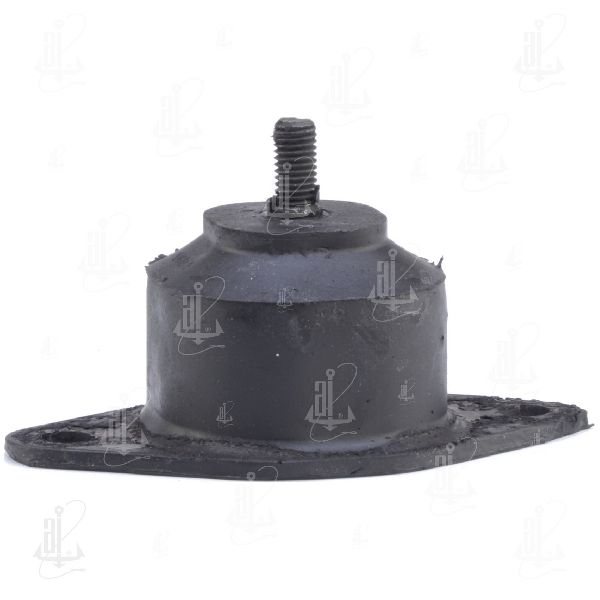
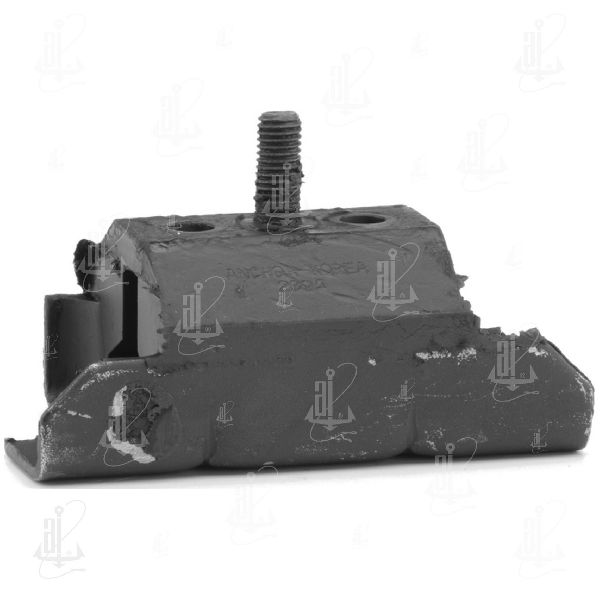
The standard mount for a 2WD 1987 R1500 is a common GM style with two bolts attaching to the transmission tailshaft housing and a single stud that passes through the transmission crossmember.
We Have This Part in Stock

The information in this article is provided for general reference and educational purposes only. Vehicle specifications, procedures, and part compatibility can vary by production date, trim level, and region. Always consult your vehicle's factory service manual and verify part numbers before purchasing or performing repairs. Safety-critical components such as airbags, seat belts, and braking systems should be installed by a qualified professional.
- GMC R1500:
- 🛍️ Shop This Part
- Is Your Transmission Mount Failing?
- Common Symptoms of a Bad Mount:
- A Note on OEM Parts
- Choosing the Right Aftermarket Mount
- Tier 1: Budget Rubber Mounts (Anchor, DEA)
- Tier 2: Standard-Quality Rubber Mounts (Pioneer)
- Tier 3: Performance Polyurethane Mounts (Daystar, Lakewood)
- Pro-Tip: Check Your Crossmember
- Cost to Replace a 1987 GMC R1500 Transmission Mount
- Frequently Asked Questions
- 🎟️ Get 5% Off