

Choosing the Right Catalytic Converter for Your 1987 GMC V1500
Keep your classic GMC V1500 running strong and clean with the right replacement catalytic converter.
- Symptoms are physical, not electronic; look for power loss, rotten egg smells, and rattling noises.
- A new aftermarket converter is often an upgrade over the original restrictive design.
- Choose a brand based on your budget and needs: Magnaflow (premium), Walker (standard), or AP/Eastern (economy).
- Always fix the root cause of the failure (like engine misfires) before installing a new converter.
Is Your V1500's Catalytic Converter Failing?
Since your 1987 GMC V1500 was built before modern OBD-II diagnostic systems, you won't get a specific "Check Engine" code like P0420 to tell you the converter is bad. Instead, you need to pay attention to physical symptoms. A failing converter can cause serious engine performance issues if not addressed.
Key Failure Symptoms
- Loss of Power: If your truck feels sluggish, struggles to accelerate, or can't handle hills like it used to, the converter might be clogged. A blockage creates backpressure, which chokes the engine and robs it of power.
- Rotten Egg Smell: A strong sulfur or rotten egg smell from the exhaust is a classic sign of a bad converter. It means the converter is no longer properly processing the sulfur in the exhaust gases.
- Rattling Noises: If you hear a rattling sound from under your truck, it could be the ceramic honeycomb inside the converter breaking apart. These loose pieces can cause a blockage and will rattle as the engine runs.
- Reduced Fuel Economy: When your engine has to work harder to push exhaust through a clogged converter, it burns more fuel. A sudden drop in MPG can point to an exhaust restriction.
- Excessive Heat Under the Vehicle: A clogged converter can trap a large amount of heat, which you might feel from the floor of the truck's cab. In extreme cases, the converter itself can glow red.
Don't Ignore the Root Cause
Catalytic converters usually fail because of another problem. An engine that burns oil, runs too rich, or has ignition misfires can send unburned fuel into the exhaust, which overheats and destroys the converter. Before replacing your converter, make sure your engine is properly tuned to avoid damaging the new part.
Choosing the Right Aftermarket Converter
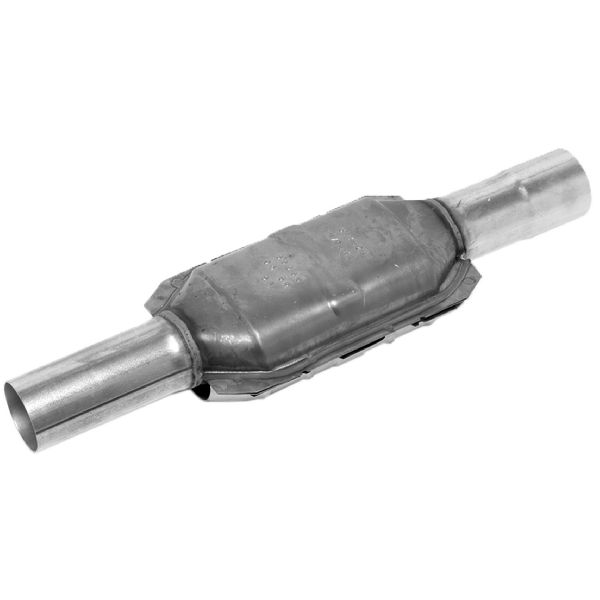
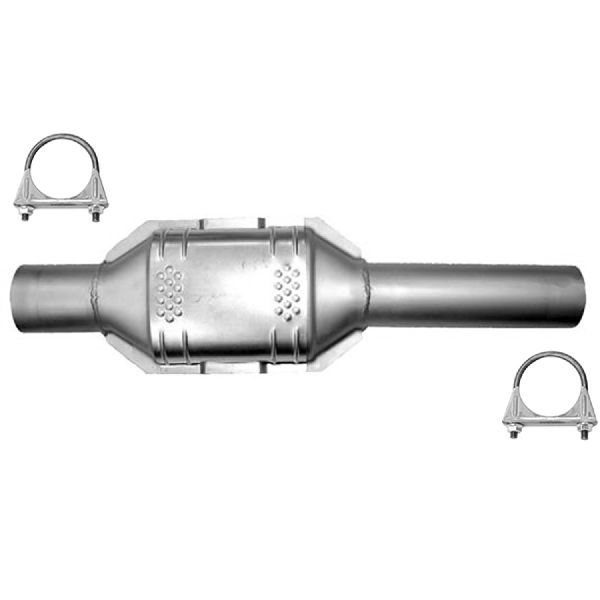
For a 1987 vehicle, finding a new OEM part is nearly impossible and would be very expensive. The aftermarket offers several good options that meet or exceed original specifications. Your main choice will be between universal-fit and direct-fit converters.
- Direct-Fit Converters: These are designed to bolt directly into your V1500's specific exhaust system with no modifications needed. They are more expensive but make for a much easier installation.
- Universal-Fit Converters: These are cheaper but require cutting your existing exhaust pipe and welding the new converter into place. This is a job for an experienced DIYer with a welder or a professional exhaust shop.
Brand Tiers for Your V1500
Based on owner feedback and brand reputation, aftermarket converters for your truck generally fall into these tiers:
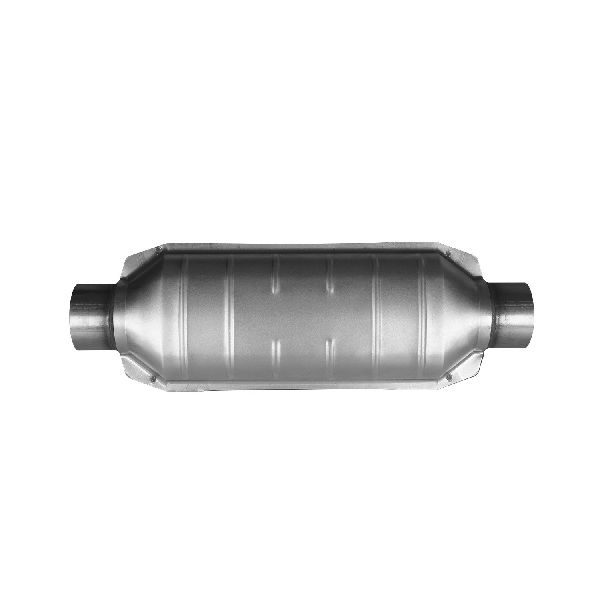
- Premium (MagnaFlow): Known for high-quality stainless steel construction and high-flow designs that can improve performance. They are a top choice if you want the best in durability and flow, but they come at a higher price.
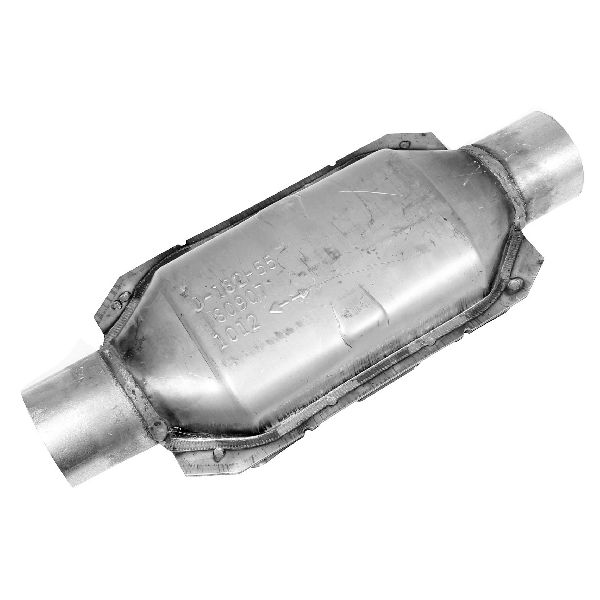
- Standard (Walker): Walker is a major manufacturer that supplies parts to automakers and is known for reliable, OEM-style replacements. They offer a good balance of quality and price, though some users have noted they may not have the same rust resistance as premium brands.
- Economy (AP Exhaust, Eastern Catalytic): These brands offer the most budget-friendly options. However, quality can be inconsistent. While some users report good fit and function, others have experienced issues with poor welds and premature failure. These are best considered if budget is the primary concern.
A Note on Emissions Compliance
Even for an older truck, you must install a converter that is legal in your area. Some states, particularly California and New York, have strict emissions laws (CARB) and require specific compliant parts. Always verify that the converter you are buying is legal for your state of registration.
Cost of Replacing a 1987 GMC V1500 Catalytic Converter
| Item | Estimated Cost |
|---|---|
| New Aftermarket Catalytic Converter (Part) | $85 - $1,023 |
| Shop Labor | $150 - $300 |
| Total Estimated Cost | $235 - $1,323 |
Cost estimates are for reference only and may vary based on your location, the specific part chosen, and the condition of your vehicle. The wide part cost range reflects the difference between universal-fit and high-end direct-fit models.
Frequently Asked Questions
Can I just remove the catalytic converter?
While your truck will run without a converter, it is not recommended. Removing it is illegal under federal law and will cause your truck to fail any emissions test. It will also result in a very strong, unpleasant exhaust smell and may not provide the backpressure the engine was designed for.
Is replacing the converter a DIY job?
For a direct-fit model, it can be. However, on a 1987 truck, the bolts will almost certainly be rusted solid. Be prepared to use lots of penetrating oil, a breaker bar, and possibly a torch or cutting tools. If you are not comfortable with this, or if you choose a universal-fit converter that needs welding, it's best to have a professional shop do the work.
Are there any recalls for the 1987 V1500 catalytic converter?
No, there are no specific recalls or widespread technical service bulletins (TSBs) from GMC for catalytic converter failure on the 1987 V1500. Failures are typically due to age and other engine-related issues.
Will a new converter fix my engine's performance issues?
If a clogged converter is the cause of the problem, then yes, a new one will restore lost power. However, it is crucial to fix the underlying issue that caused the original converter to fail, such as engine misfires or a rich fuel mixture, to protect your new investment.
Technical Specifications
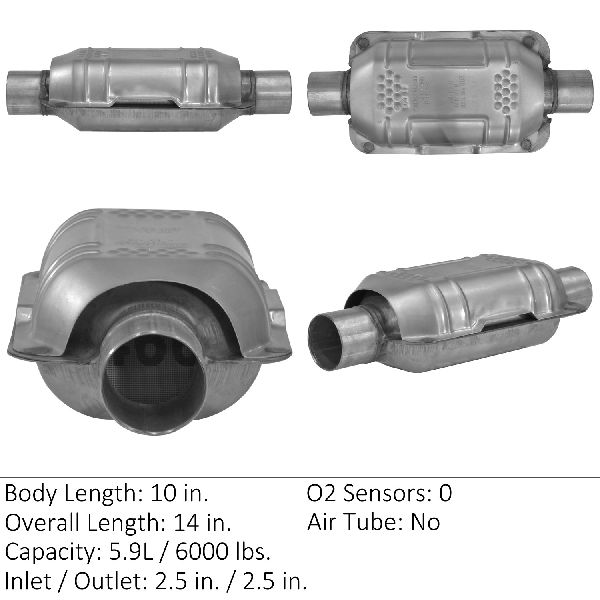
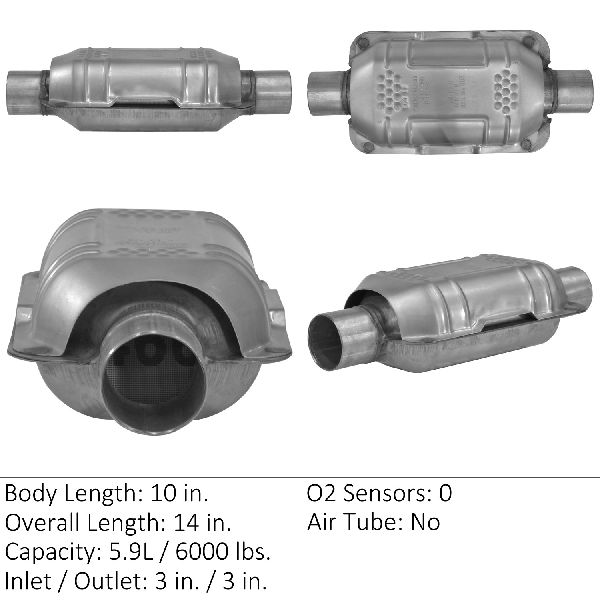
Varies by engine size (e.g., 4.3L V6, 5.0L V8, 5.7L V8). Available in universal-fit (weld-in) and direct-fit (bolt-on) configurations. Check for Federal (EPA) or CARB compliance based on your state's laws.
We Have This Part in Stock

The information in this article is provided for general reference and educational purposes only. Vehicle specifications, procedures, and part compatibility can vary by production date, trim level, and region. Always consult your vehicle's factory service manual and verify part numbers before purchasing or performing repairs. Safety-critical components such as airbags, seat belts, and braking systems should be installed by a qualified professional.
- GMC V1500:
- 🛍️ Shop This Part
- Is Your V1500's Catalytic Converter Failing?
- Key Failure Symptoms
- Don't Ignore the Root Cause
- Choosing the Right Aftermarket Converter
- Brand Tiers for Your V1500
- A Note on Emissions Compliance
- Cost of Replacing a 1987 GMC V1500 Catalytic Converter
- Frequently Asked Questions
- 🎟️ Get 5% Off