

A Guide to the Electric Fuel Pump for the 1987 GMC V1500
Keep your classic TBI-equipped GMC running reliably with the right fuel pump knowledge.
- Diagnose other common issues like the fuel pump relay and tank selector switch before replacing the pump.
- Be aware of the TSB that points to a faulty ECM PROM chip causing false fuel pump error codes (Code 54).
- For reliability, choose an OEM-quality brand like Delphi; avoid high-pressure EFI pumps unless you are converting your system.
- It is best practice to replace the entire fuel pump module (including the sending unit) and the fuel filter at the same time.
Is Your Fuel Pump Failing? Common Symptoms
A bad fuel pump can cause a range of problems, from annoying to leaving you stranded. The first sign is often a long cranking time before the engine starts. You might also hear a whining or buzzing sound from the fuel tank area. As the pump gets weaker, you may experience engine sputtering, especially at high speeds or under load. In more serious cases, the engine may stall intermittently or refuse to start at all.
Check Other Parts First!
Many issues can mimic a bad fuel pump on these trucks. Before you decide to drop the fuel tank, check these common culprits:
- Fuel Pump Relay: A faulty relay will prevent the pump from turning on. You should hear the pump hum for two seconds when you turn the key to the 'ON' position; if not, the relay is a likely suspect.
- Tank Selector Switch: If you have dual tanks, the selector switch on the dash or the selector valve can fail, cutting off fuel from one or both tanks.
- Ground Wire: A corroded or loose ground wire for the pump can cause it to work intermittently or not at all.
- Oil Pressure Switch: This acts as a safety cutoff for the fuel pump. If it fails, it can prevent the pump from running.
Known Issues: TSB for False Fuel Pump Codes
A General Motors Technical Service Bulletin (TSB 88-T-109) was issued for 1987 models. It notes that issues like rough idle, surging, and hesitation could be caused by the engine's computer (ECM), not the fuel pump. This TSB also states that the computer could store a false "Code 54 - Fuel pump circuit (low voltage)". The official fix was to install an updated PROM chip in the ECM. If you are experiencing these issues, it is worth investigating before replacing the fuel pump.
Choosing the Right Aftermarket Fuel Pump
When it's time to buy a new pump, you have several options. Since original OEM parts from GM (ACDelco) can be hard to find and expensive for a vehicle of this age, the aftermarket is the most common source.
Brand Quality Tiers
- OEM-Quality (Delphi): Delphi was an original parts supplier for General Motors. Their fuel pumps are widely considered to be a high-quality, reliable replacement that meets or exceeds the original specifications. For a part that is difficult to access, spending a little more on a trusted brand like Delphi is a good investment.
- Performance (Edelbrock): Edelbrock offers high-performance fuel pumps. However, the pumps available for this year range are typically designed for converting from TBI to a Multi-Point Fuel Injection (MPFI) system. These pumps operate at a much higher pressure (around 43 PSI) and are not a direct replacement for a standard TBI system. Only choose this brand if you are performing a full fuel system upgrade.
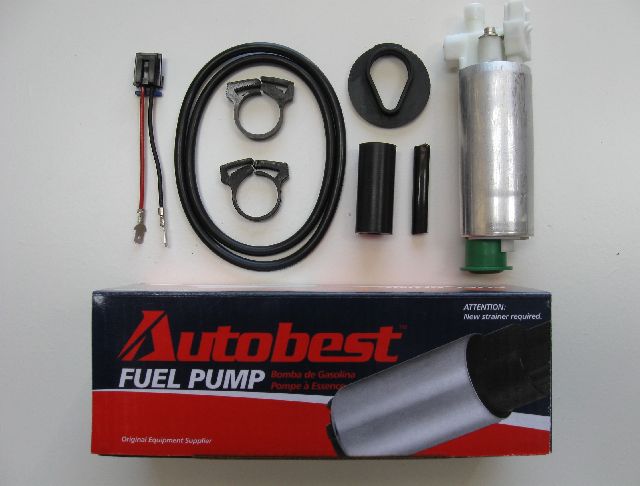
- Standard/Budget (AutoBest): Brands like AutoBest offer a more affordable option. While they meet the basic requirements, their long-term durability may not match that of a premium brand. If the truck is not a daily driver or if budget is the primary concern, this can be a viable choice.
Replace the Assembly, Not Just the Pump
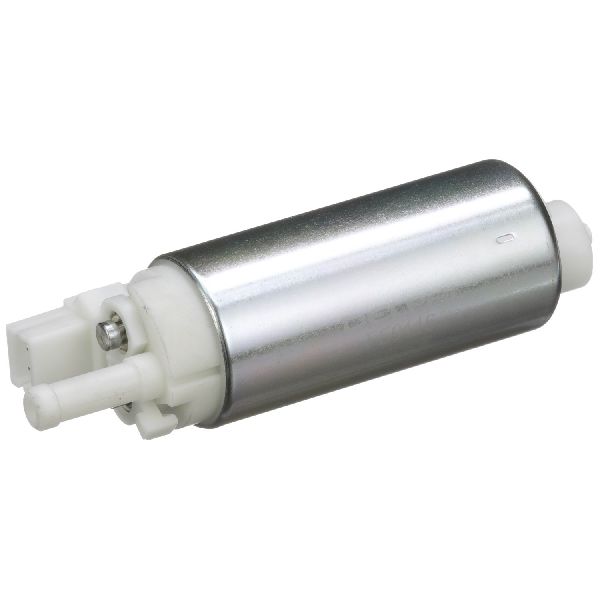
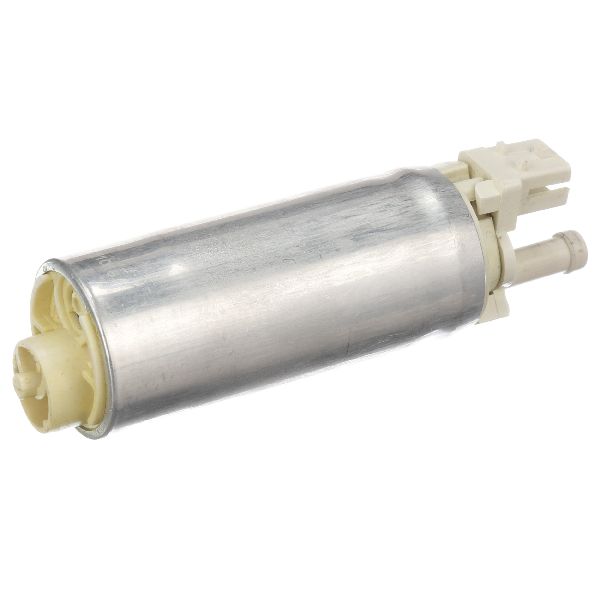
Most aftermarket options are sold as a complete module, which includes the pump, fuel sending unit (for the gas gauge), and strainer. It is highly recommended to replace the entire assembly. The labor to access the pump is the same, and replacing the whole unit prevents you from having to do the job again if the old sending unit fails later.
| Part Type | Estimated Cost |
|---|---|
| New Aftermarket Pump | $40 - $85 |
| New OEM (ACDelco) | $150 - $350+ |
| Shop Labor | $250 - $600 |
Frequently Asked Questions
Do I have to empty the fuel tank to replace the pump?
It is much easier and safer to work on a tank that is as empty as possible. A full tank is extremely heavy and difficult to handle, and the risk of a fuel spill is much higher.
My truck has two tanks. Do I need to replace both pumps?
Not necessarily. However, if one pump has failed due to age, the other may not be far behind. If you are paying for labor, it may be cost-effective to replace both at the same time, along with the tank selector valve if it is showing signs of failure.
What is the difference between a TBI pump and a regular EFI pump?
A fuel pump for a TBI system operates at a much lower pressure (9-13 PSI) than a pump for a modern multi-port electronic fuel injection (EFI) system, which can require 40-60 PSI. You must use a pump designed specifically for your TBI application.
Should I also replace the fuel filter?
Yes. Always replace the fuel filter when you install a new fuel pump. A clogged filter can strain the new pump and cause it to fail prematurely. This is a cheap and easy step that protects your investment.
Technical Specifications
OEM Part Numbers: E3633S HP10026 SP12L1H USEP3633S
System Type: Throttle Body Injection (TBI) Operating Pressure: 9-13 PSI Location: In-Tank
We Have This Part in Stock

The information in this article is provided for general reference and educational purposes only. Vehicle specifications, procedures, and part compatibility can vary by production date, trim level, and region. Always consult your vehicle's factory service manual and verify part numbers before purchasing or performing repairs. Safety-critical components such as airbags, seat belts, and braking systems should be installed by a qualified professional.
- GMC V1500: