

1987 GMC V2500 Engine Coolant Temperature Sensor: A Mechanic's Guide
If your fuel-injected V2500 runs rough when warm, this little sensor is the most likely reason.
- On TBI engines, a bad ECT sensor makes the truck run rich when warm, causing rough idle and black smoke.
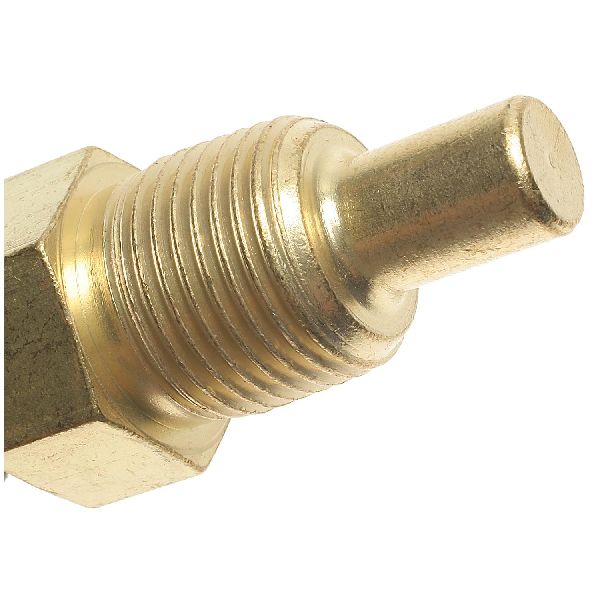
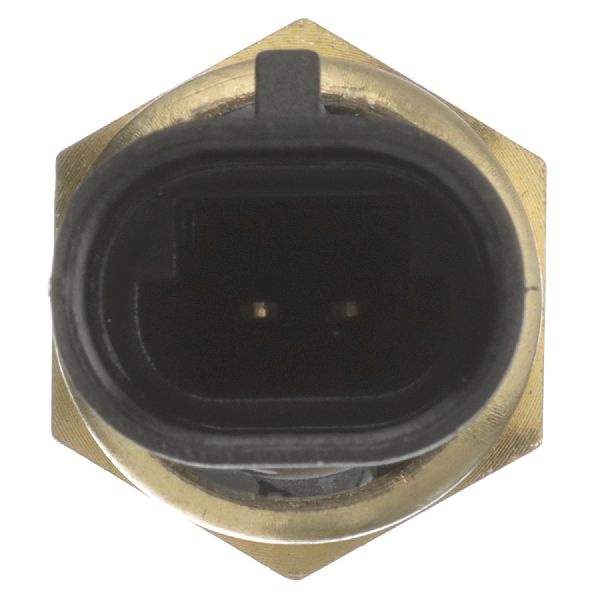
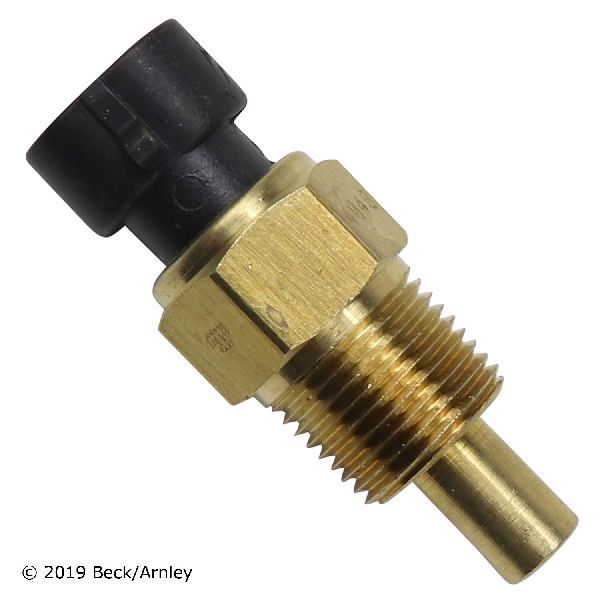
- Make sure you are replacing the two-wire sensor for the computer, not the single-wire sender for the dash gauge.
- To avoid accuracy issues, choose a trusted aftermarket brand like Delphi or Standard Ignition.
- This is a simple and inexpensive DIY job that requires basic tools and takes less than 30 minutes.
Symptoms of a Failing ECT Sensor
On the 1987 GMC V2500 with a TBI engine, the ECT sensor is a common failure point that leads to very specific symptoms. When this sensor fails, it usually gets stuck reading "cold." This tricks the computer into thinking the engine never warms up. The computer then continuously dumps extra fuel into the engine.
Common signs of a bad ECT sensor include:
- Poor performance after warming up: The truck starts and runs fine when cold, but once it reaches operating temperature, it begins to idle roughly, hesitate, or stall.
- Black smoke from the exhaust: This is unburnt fuel, a direct result of the excessively rich fuel mixture.
- Hard starting when the engine is hot: The engine becomes flooded with too much fuel, making it difficult to restart until it cools down.
- Terrible fuel economy: The engine is using far more fuel than it needs, so you'll notice a sudden drop in miles per gallon.
- "Service Engine Soon" Light: A faulty sensor will often trigger a trouble code in the ECM, illuminating the check engine light. On this truck, codes are retrieved by counting the flashes of the light.
Choosing the Right Aftermarket Sensor
For a critical sensor like this, quality matters. While OEM parts from GM are an option, high-quality aftermarket parts can offer the same performance for less money. However, forums are full of stories of owners buying cheap, no-name sensors that were inaccurate out of the box, causing the same problems to continue. For this part, it's best to stick with reputable brands.
Aftermarket Brand Tiers
| Tier | Brands | Notes |
|---|---|---|
| Tier 1: OE Quality or Better | Delphi, Standard Ignition (SMP), NGK | Delphi was an original equipment supplier for GM, making their parts a reliable choice. Standard Ignition and NGK are also highly respected for their sensor quality and accuracy. These are the recommended choices for a trouble-free repair. |
| Tier 2: Reputable Aftermarket | Beck Arnley, Hella, Holstein | These brands are well-known in the aftermarket and generally produce reliable parts. They are a solid choice if Tier 1 brands are not available. |
| Tier 3: Economy Brands | Four Seasons, Global Parts, True Tech, Motorad | While these brands offer a low price point, sensor accuracy can sometimes be a gamble. They may work fine, but there is a higher risk of getting a part that doesn't read temperature correctly, leading to continued frustration. |
Typical Replacement Costs
Replacing the ECT sensor is an inexpensive repair. The part itself is affordable, and the labor is minimal due to easy access on the V8 engines found in the V2500.
Estimated Costs
| Item | Cost Range |
|---|---|
| New Aftermarket Part | $12.58 - $37.74 |
| Shop Labor | $50 - $100 |
| Estimated Total | $63 - $138 |
Frequently Asked Questions
Is the sensor for the dash gauge the same as the sensor for the computer?
No. The sensor for the computer (ECM) has two wires and an oval connector. The sender for the dashboard temperature gauge typically has one wire with a button-style connector and is often located on the driver's side cylinder head. Make sure you are replacing the correct one for your symptoms.
Are there any recalls for the ECT sensor on my truck?
No, there are no known recalls or technical service bulletins (TSBs) from GMC or the NHTSA specifically for the engine coolant temperature sensor on the 1987 V2500. My search found no relevant results.
How do I know for sure the sensor is bad?
Besides the symptoms listed, a mechanic can test the sensor's resistance with a multimeter while the engine warms up to see if it's changing correctly. However, given the low cost of the part and how common this failure is, many owners and mechanics choose to replace it as a primary diagnostic step when symptoms appear.
What happens if I don't replace a bad ECT sensor?
You will continue to have poor engine performance and terrible fuel economy. Over time, the extremely rich fuel mixture can foul your spark plugs, clog your catalytic converter with soot, and wash oil from the cylinder walls, potentially causing premature engine wear.
Technical Specifications
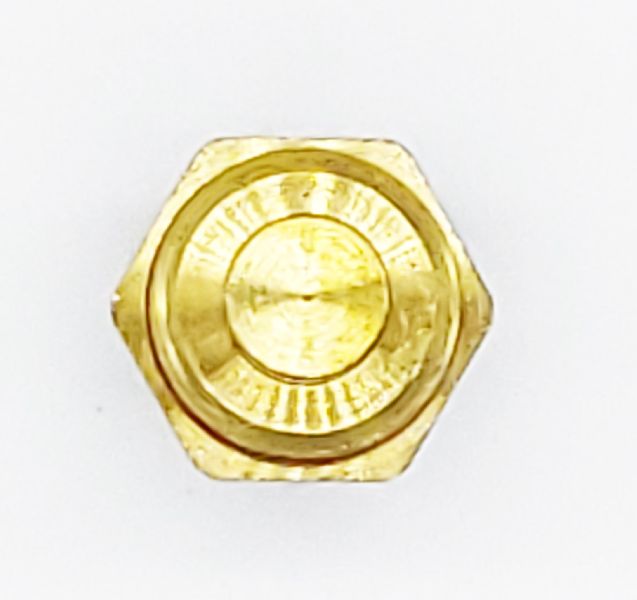
Connector: 2-pin, oval shape. Thread Size: 3/8" - 18 NPT.
We Have This Part in Stock



The information in this article is provided for general reference and educational purposes only. Vehicle specifications, procedures, and part compatibility can vary by production date, trim level, and region. Always consult your vehicle's factory service manual and verify part numbers before purchasing or performing repairs. Safety-critical components such as airbags, seat belts, and braking systems should be installed by a qualified professional.
- GMC V2500: